The Middle East’s Rich History and Changing Future
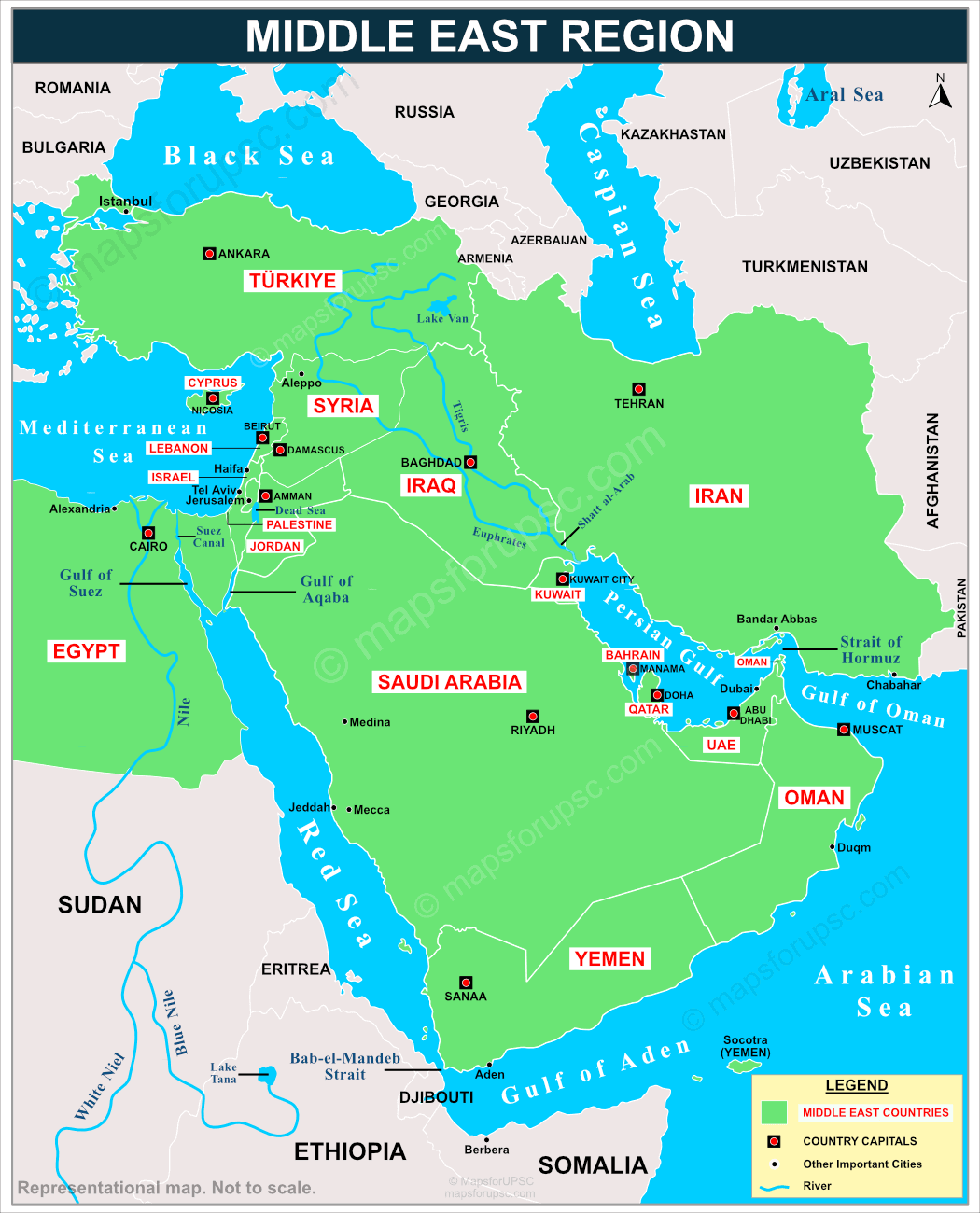
The Middle East is a region of remarkable cultural, linguistic and geographical diversity. Often described as a crossroads between Asia, Africa and Europe, it has connected people, ideas and trade routes for thousands of years. The region’s story is not a single one: it is made up of many histories, communities and perspectives.
A cradle of civilisation
Some of the world’s earliest cities, writing systems and agricultural societies developed in the lands between the Tigris and Euphrates rivers. Ancient civilisations also flourished in places such as the Nile Valley and the eastern Mediterranean. Over time, the region became home to influential empires and a meeting place for different traditions, languages and beliefs.
The Middle East is also central to the histories of Judaism, Christianity and Islam. These faiths have shaped communities across the region and far beyond it. Their shared origins, varied traditions and continuing influence form an important part of the Middle East’s cultural heritage.
A region of many identities
There is no single Middle Eastern identity. The region includes Arabs, Persians, Turks, Kurds, Armenians, Jews, Assyrians and many other peoples, as well as communities with distinct local identities. Arabic, Persian, Turkish, Hebrew, Kurdish and numerous other languages are spoken across the region.
Its landscapes are equally varied, ranging from deserts and mountain ranges to fertile river valleys and Mediterranean coastlines. This diversity has shaped different ways of life, economies and cultural traditions. Food, music, architecture and literature all reflect a rich exchange between local heritage and outside influences.
Challenges and change
Many countries in the Middle East are navigating significant challenges, including conflict, displacement, economic pressures and the effects of climate change. Water scarcity is a particular concern in several areas, while rising temperatures place additional strain on communities and infrastructure. These issues do not affect every country in the same way, and local circumstances differ considerably.
At the same time, the region is changing rapidly. Cities are expanding, technology is creating new opportunities and younger generations are shaping debates about education, work, culture and public life. Countries are also investing in areas such as renewable energy, tourism, transport and digital services, while balancing these ambitions with social and environmental needs.
Looking ahead
The Middle East’s future will be shaped by its people, institutions and relationships with the wider world. Understanding the region requires attention to its diversity, as well as to the distinct experiences of each country and community. Its long history offers important context, but the region is not defined by its past alone. It is also a place of creativity, adaptation and possibility.
Middle East FAQs: Countries, History, Languages, Religions and Challenges
- Which countries are considered part of the Middle East?
- Why is the Middle East important to world history?
- What languages are spoken in the Middle East?
- What are the main religions practised in the Middle East?
- What are the Middle East’s biggest challenges today?
Which countries are considered part of the Middle East?
The countries considered part of the Middle East vary depending on the definition used. The region commonly includes Bahrain, Egypt, Iran, Iraq, Israel, Jordan, Kuwait, Lebanon, Oman, Palestine, Qatar, Saudi Arabia, Syria, Türkiye, the United Arab Emirates and Yemen. Cyprus is sometimes included as well, while broader definitions may also encompass nearby countries.
Why is the Middle East important to world history?
The Middle East is important to world history because some of the earliest cities, agricultural societies and writing systems developed there, particularly in Mesopotamia. Its position between Asia, Africa and Europe made it a crossroads for trade, migration and cultural exchange, while powerful empires shaped the region and influenced lands far beyond it. The Middle East is also the birthplace of Judaism, Christianity and Islam, faiths that have profoundly influenced societies around the world.
What languages are spoken in the Middle East?
Arabic is the most widely spoken language in the Middle East, but the region is linguistically diverse. Persian (Farsi) is spoken mainly in Iran, Turkish in Türkiye, Hebrew in Israel and Kurdish across parts of several countries. Armenian, Azerbaijani, Assyrian Neo-Aramaic and other languages are also spoken, while English and French are used in some communities, workplaces and educational settings. Languages vary considerably from one country and community to another.
What are the main religions practised in the Middle East?
The main religions practised in the Middle East are Islam, Christianity and Judaism. Islam is the largest, with most Muslim communities belonging to either the Sunni or Shia tradition. Christianity has deep roots in the region and includes many churches and denominations, while Judaism is historically centred in the Middle East and is the majority religion in Israel. Other faiths, including the Druze, Bahá’í and Yazidi religions, are also practised, and religious communities vary from country to country.
What are the Middle East’s biggest challenges today?
The Middle East’s biggest challenges today vary from country to country, but include ongoing conflicts and political instability, displacement, economic pressures and unequal access to opportunities. Climate change is adding to these pressures, particularly through extreme heat, drought and water scarcity, while rapid population growth increases demand for housing, jobs and public services. Addressing these issues requires solutions that reflect local needs and support long-term stability, inclusive growth and cooperation.