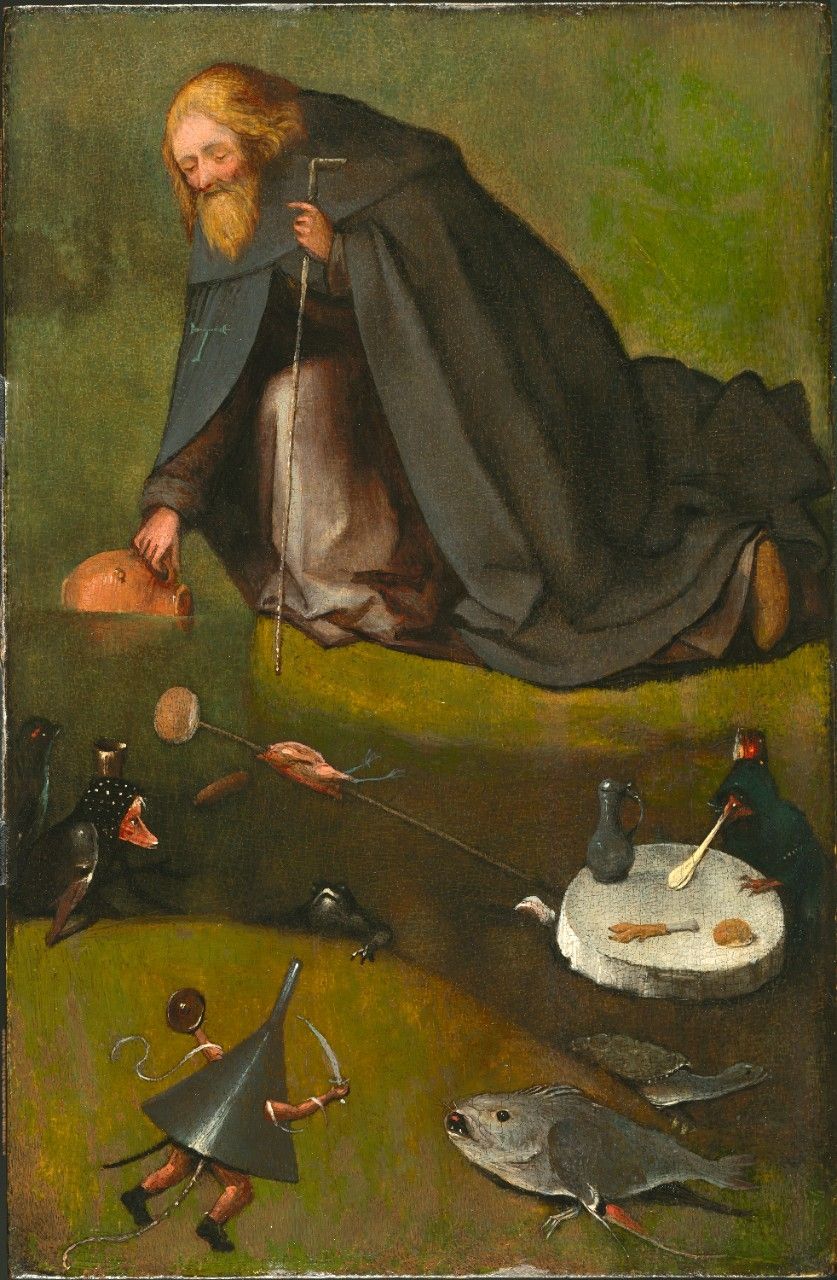
Hieronymus Bosch: The Artist Behind the Surreal Visions
Hieronymus Bosch is one of the most distinctive painters of the Northern Renaissance. His fantastical creatures, vivid landscapes and unsettling scenes have fascinated viewers for centuries. Although he lived more than 500 years ago, Bosch’s imaginative imagery can feel strikingly modern.
Who was Bosch?
Bosch was born Jheronimus van Aken around 1450 in ’s-Hertogenbosch, a town in the Duchy of Brabant, in what is now the Netherlands. He took his familiar name from his hometown. He spent most of his life there and was part of a family of painters, though little is known about his training or private life.
Working in the late 15th and early 16th centuries, Bosch painted during a period of profound religious and social change. His works often draw on Christian teachings, popular folklore and the moral concerns of his time. They warn against sin and temptation, while offering vivid and sometimes enigmatic visions of human behaviour.
A world of strange and memorable imagery
Bosch is renowned for filling his paintings with unexpected details: hybrid creatures, bizarre machines, fantastical architecture and landscapes that seem to shift between beauty and danger. These images invite close inspection, but their meaning is not always clear. Scholars continue to debate the symbolism of particular figures and scenes, and it is wise to avoid treating every detail as having one definite interpretation.
His work is also notable for its contrasts. Scenes of earthly pleasure sit alongside images of punishment; attractive settings can conceal peril. This tension gives the paintings their distinctive atmosphere and encourages viewers to consider the consequences of their choices.
Famous paintings
The Garden of Earthly Delights is Bosch’s best-known work. This large triptych moves from an image of the Garden of Eden to a crowded vision of earthly pleasures and, finally, to a dark depiction of Hell. Its inventive details and open-ended symbolism have made it one of the most discussed paintings in European art.
Another celebrated triptych, The Haywain, presents people from different walks of life pursuing a hay cart, often understood as an allegory of worldly desire and folly. Bosch’s versions of The Temptation of Saint Anthony also show his gift for transforming religious subjects into dreamlike scenes filled with strange beings and unsettling episodes.
Bosch’s legacy
Bosch’s influence extended beyond his own lifetime. His imagery inspired later artists and has often been connected with the development of fantastical and surreal art. Yet his paintings remain rooted in the religious culture of his era, combining moral reflection with a singular visual imagination.
Only a relatively small number of paintings are generally accepted as works by Bosch, and questions of attribution remain part of their study. Even so, the surviving works have secured his place as one of the most original artists of the Northern Renaissance. His paintings continue to reward patient looking: every strange figure and carefully observed detail seems to open another door into his extraordinary world.
Hieronymus Bosch: Six Frequently Asked Questions About His Life, Art and Legacy
- Who was the artist Hieronymus Bosch?
- What is Hieronymus Bosch best known for?
- When and where was Bosch born?
- What is the meaning of The Garden of Earthly Delights?
- Where can you see Hieronymus Bosch’s paintings?
- How did Bosch influence later artists?
Who was the artist Hieronymus Bosch?
Hieronymus Bosch was a Dutch painter of the Northern Renaissance, born around 1450 in ’s-Hertogenbosch in the Duchy of Brabant, now in the Netherlands. He is best known for richly detailed, imaginative paintings filled with fantastical creatures and symbolic scenes, including The Garden of Earthly Delights. Drawing on religious themes and the moral concerns of his time, Bosch created works that explore temptation, sin and human behaviour, and continue to intrigue viewers today.
What is Hieronymus Bosch best known for?
Hieronymus Bosch is best known for his imaginative, highly detailed paintings filled with fantastical creatures, symbolic imagery and striking visions of heaven, earthly life and hell. His most famous work, The Garden of Earthly Delights, is a triptych that contrasts the Garden of Eden with scenes of human pleasure and a nightmarish depiction of punishment. Bosch’s unusual imagery and moral themes have fascinated viewers for centuries.
When and where was Bosch born?
Hieronymus Bosch was born around 1450 in ’s-Hertogenbosch, a town in the Duchy of Brabant, in what is now the Netherlands. He spent most of his life there and took his familiar name from his hometown.
What is the meaning of The Garden of Earthly Delights?
The Garden of Earthly Delights is generally understood as a moral reflection on humanity, temptation and the consequences of sin. Its three panels show the Garden of Eden, a crowded world of earthly pleasures, and a vision of Hell, suggesting a progression from creation to indulgence and punishment. However, Bosch’s symbolism is rich and often ambiguous, so there is no single agreed interpretation; the painting continues to invite debate and close examination.
Where can you see Hieronymus Bosch’s paintings?
Hieronymus Bosch’s paintings are held in museums across Europe. The largest group is at the Museo del Prado in Madrid, where you can see works including The Garden of Earthly Delights and The Haywain. Other paintings are displayed at the Kunsthistorisches Museum in Vienna, the Museu Nacional de Arte Antiga in Lisbon and the Groeningemuseum in Bruges. As display arrangements can change, check each museum’s website before visiting.
How did Bosch influence later artists?
Hieronymus Bosch influenced later artists through his striking use of fantasy, symbolism and imaginative detail. His strange creatures and dreamlike scenes inspired painters across Europe, while his visions of temptation, folly and punishment helped shape the tradition of fantastical art. Centuries later, artists associated with Surrealism also admired his ability to combine ordinary objects with unexpected, unsettling imagery. Bosch’s influence is not always direct, but his distinctive visual language continues to encourage artists to challenge reality and explore the workings of the imagination.