The Middle East: A Region of Many Histories and Cultures
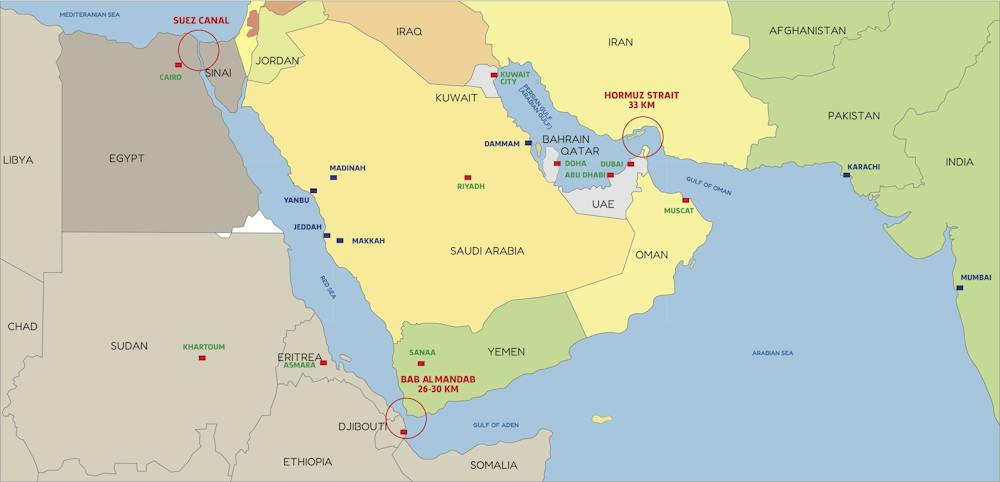
The Middle East is a region connecting parts of Asia, Africa and Europe. It has no single, universally agreed boundary. The term commonly refers to countries such as Iraq, Jordan, Lebanon, Syria, Israel, Palestine, Saudi Arabia, Yemen, Oman, the United Arab Emirates, Qatar, Bahrain, Kuwait, Iran and Türkiye. Egypt is also often included. The region’s diversity is as striking as its long-standing importance in world affairs.
A crossroads of history
For thousands of years, communities across the Middle East have shaped trade, scholarship, agriculture and urban life. Ancient civilisations flourished in places including Mesopotamia and the Nile Valley. The region was also home to major centres of learning and commerce, linked by routes that carried goods, ideas and languages across continents.
The Middle East is central to the histories of Judaism, Christianity and Islam, and contains many sites of religious significance. Its population, however, is not religiously uniform: Muslims, Christians, Jews, Druze, Yazidis and people of other faiths live across the region, alongside those who are secular or do not identify with a religion.
Languages and cultural life
Arabic is widely spoken, but it is far from the region’s only language. Persian, Turkish, Hebrew, Kurdish, Armenian and other languages are also part of its linguistic landscape. Customs, food, music and art vary considerably between countries and communities, as well as between cities, rural areas and generations.
From poetry and calligraphy to cinema, architecture and contemporary music, creative life across the Middle East draws on both local traditions and global influences. Food reflects this variety too: ingredients and dishes differ from place to place, shaped by climate, trade and family traditions.
Changing economies and cities
The region includes major energy producers, financial and trading centres, agricultural communities and countries with growing technology and tourism sectors. Oil and natural gas have influenced the economies of several states, but economic opportunities and resources are not evenly distributed. Many governments are working to diversify their economies and create jobs for young and rapidly growing populations.
Its cities range from historic centres with centuries-old streets to modern urban developments. Rapid growth can bring new opportunities, while also increasing pressure on housing, transport, public services and the environment.
Challenges and change
Political systems and social conditions differ widely across the region. Some communities have experienced conflict, displacement and economic hardship; others face concerns including water scarcity, pollution and the effects of climate change. These issues are complex and cannot be understood through a single account of the Middle East.
At the same time, people across the region are building businesses, pursuing education, creating art and working within their communities. Their experiences and perspectives are varied, and are essential to any understanding of the region beyond headlines.
A region that resists simple definitions
The Middle East is not one culture, political outlook or story. It is a diverse region shaped by ancient connections and contemporary change. Understanding it means recognising both its shared histories and the distinct experiences of the countries and communities that make it up.
The Middle East: A Rich Tapestry of History, Culture and Innovation
- Rich in ancient history and heritage
- Home to diverse cultures and communities
- Birthplace of major world religions
- Known for vibrant arts and literature
- Offers varied and distinctive cuisines
- Connects Asia, Africa and Europe
- Features remarkable historic architecture
- Has strong traditions of hospitality
- Home to dynamic cities and innovation
Key Challenges Facing the Middle East
- Conflict and political instability affect some areas.
- Water scarcity is a serious challenge.
- Economic opportunities are unevenly distributed.
- Displacement has affected many communities.
Rich in ancient history and heritage
The Middle East is rich in ancient history and heritage, with archaeological sites, historic cities and cultural traditions that span thousands of years. From the ruins of Mesopotamia to the ancient streets of Jerusalem and Petra, the region offers a remarkable glimpse into the civilisations that shaped human history. Its heritage is also reflected in its languages, architecture, art and religious traditions, making the Middle East an important source of knowledge and inspiration for people around the world.
Home to diverse cultures and communities
One of the Middle East’s greatest strengths is its rich mix of cultures and communities. Across the region, people speak many languages, follow different faiths and maintain distinct traditions, while sharing a long history of exchange and connection. This diversity is reflected in its food, music, art, architecture and everyday life, offering a wealth of perspectives and ways to learn from one another.
Birthplace of major world religions
The Middle East is the birthplace of major world religions, including Judaism, Christianity and Islam. Their histories and traditions have shaped the region’s cultures, architecture, literature and daily life, while sacred sites across the region continue to draw visitors and pilgrims from around the world. This religious heritage is an important part of the Middle East’s global influence and cultural significance.
Known for vibrant arts and literature
The Middle East is known for its vibrant arts and literature, shaped by centuries of storytelling, poetry, music and visual expression. From classical Arabic poetry and Persian verse to contemporary novels, film, calligraphy and street art, creative work across the region reflects diverse histories and voices. These traditions continue to evolve, bringing together local influences and new ideas while offering insight into the people, cultures and experiences of the Middle East.
Offers varied and distinctive cuisines
One of the Middle East’s great attractions is its varied and distinctive cuisine. From fragrant rice dishes and grilled meats to fresh salads, flatbreads, mezze and richly spiced stews, food reflects the region’s diverse cultures and local ingredients. Recipes and traditions differ from place to place, offering a wonderful range of flavours to discover and share.
Connects Asia, Africa and Europe
The Middle East’s location between Asia, Africa and Europe has made it an important crossroads for centuries. Its position has encouraged trade, travel and cultural exchange, linking people, goods and ideas across the three continents. This connection continues to shape the region’s role in global transport, business and international relations.
Features remarkable historic architecture
The Middle East is home to remarkable historic architecture, reflecting the many civilisations and cultures that have shaped the region over thousands of years. From ancient ruins and grand mosques to historic churches, palaces and traditional courtyard houses, its buildings reveal changing styles, beliefs and ways of life. Exploring this architectural heritage offers a vivid connection to the past and highlights the region’s enduring influence on art and design.
Has strong traditions of hospitality
Hospitality is a valued tradition across many Middle Eastern cultures. Guests are often welcomed with generosity, offered food or tea, and treated with warmth and respect. Sharing a meal and making visitors feel at home can be an important way to build trust and strengthen relationships. Customs vary between countries and communities, but this spirit of welcome remains a meaningful part of everyday life for many people across the region.
Home to dynamic cities and innovation
The Middle East is home to dynamic cities where rich heritage meets modern innovation. From thriving business districts and advanced transport networks to growing technology and creative sectors, cities across the region are developing at a rapid pace. Investment in research, entrepreneurship and new industries is creating opportunities for residents and attracting talent from around the world, while each city continues to reflect its own distinctive culture and history.
Conflict and political instability affect some areas.
Conflict and political instability affect some areas of the Middle East, disrupting daily life and limiting access to education, healthcare and employment. Violence and uncertainty can force people to leave their homes, damage essential infrastructure and place pressure on neighbouring communities. The effects vary across the region, and many local organisations and residents continue to support those affected and work towards safer, more stable futures.
Water scarcity is a serious challenge.
Water scarcity is a serious challenge across parts of the Middle East, where low rainfall, high temperatures and growing demand put pressure on rivers, groundwater and other supplies. Climate change is increasing the risk of drought, while agriculture and expanding cities require substantial amounts of water. Limited access to reliable, clean water can affect health, food production and livelihoods, making conservation, efficient irrigation and co-operation over shared water resources increasingly important.
Economic opportunities are unevenly distributed.
Economic opportunities in the Middle East are unevenly distributed, both between countries and within them. While some areas benefit from energy wealth, investment and expanding industries, others have fewer jobs, lower incomes and limited access to education or training. Young people and rural communities can face particular barriers to finding secure work, and reliance on a small number of industries may leave economies vulnerable to change. Addressing these inequalities requires broader investment in skills, infrastructure and diverse sources of employment.
Displacement has affected many communities.
Displacement has affected many communities across the Middle East, with conflict, insecurity and economic hardship forcing people to leave their homes. Families may face separation, interrupted education and limited access to healthcare, housing and work, while host communities can come under added pressure. The effects often last long after people have fled, making safe conditions, essential support and durable solutions vital.