Statues: Art, History and Meaning
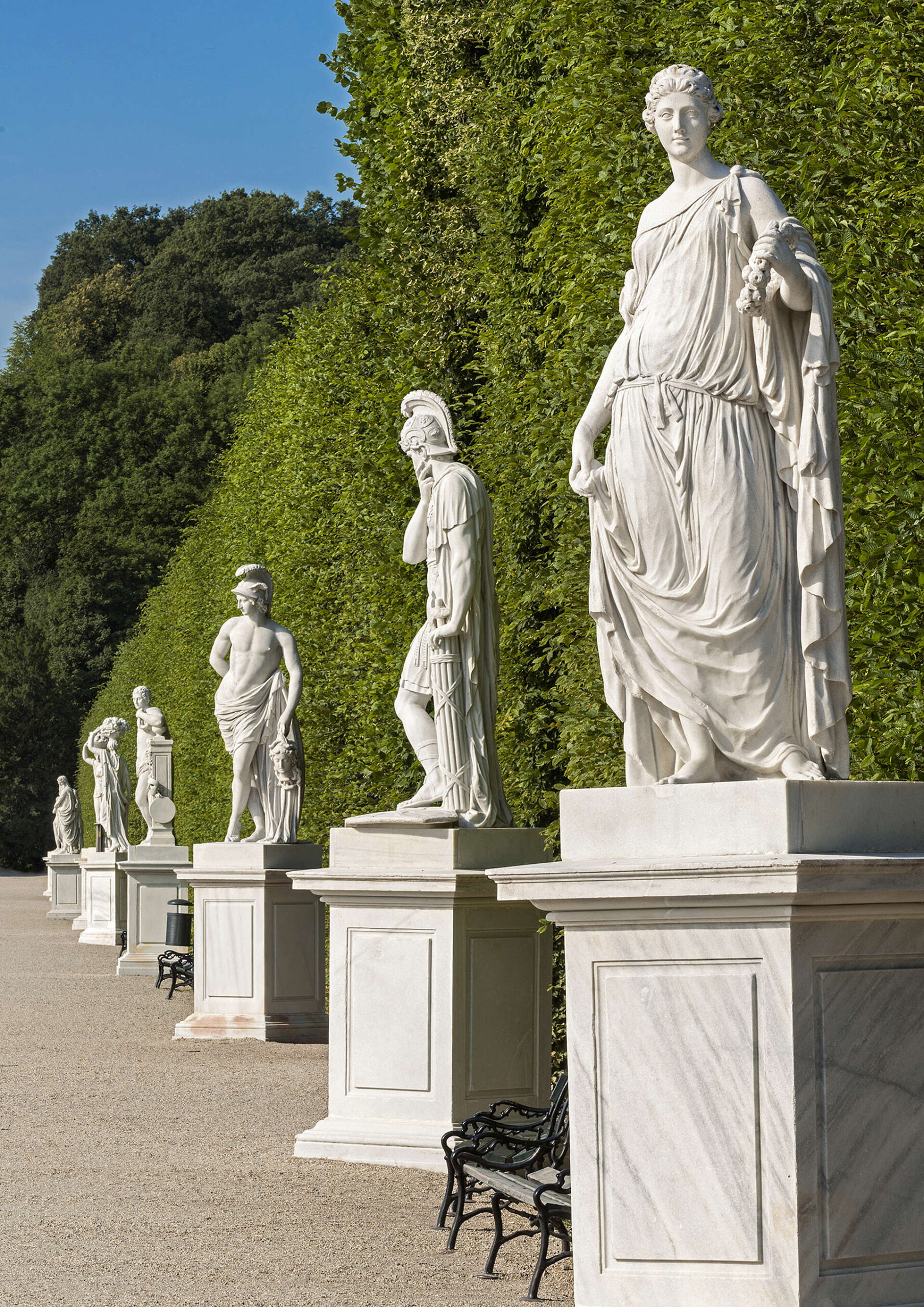
A statue is a three-dimensional work of art, usually made to represent a person, animal, figure or idea. Statues can be found in public squares, parks, places of worship, museums and private gardens. Some commemorate important people or events, while others are created simply to express an artist’s vision.
A long history
People have made statues for thousands of years. Ancient civilisations used them in religious ceremonies, as memorials and to represent rulers and deities. Over time, sculptors developed new styles and techniques, reflecting changes in culture, belief and artistic taste. Statues remain an important way of preserving stories and connecting present-day communities with the past.
Materials and techniques
Statues are made from a wide range of materials, including stone, bronze, wood, clay and steel. The choice of material affects the work’s appearance, texture and durability. A sculptor might carve a figure from a block of stone, model it in clay before casting it in bronze, or assemble it from metal components. Modern artists also use materials such as glass, resin and recycled objects.
More than a likeness
While some statues aim to portray a person realistically, others use shape, scale and symbolism to communicate an idea. A statue may represent courage, grief, freedom or remembrance without depicting a particular individual. Its setting can also influence how it is understood: a work placed in a busy town centre may become a meeting point as well as a piece of art.
Statues in public spaces
Public statues can prompt reflection and conversation. Communities may value them as records of local history, while also debating whom they honour and what their presence says about the past. These discussions form part of a wider effort to understand history and decide how it should be represented in shared spaces.
Whether monumental or modest in scale, a statue can bring art into everyday life. It invites people to pause, look closely and consider the stories, ideas and memories held in a lasting form.
9 Tips for Choosing, Placing and Caring for Statues
- Choose a statue that suits the space.
- Check its size before buying.
- Use a stable, level base.
- Keep outdoor statues secure in strong winds.
- Clean stone statues with a soft brush.
- Avoid harsh chemicals on delicate finishes.
- Protect statues from frost where needed.
- Place statues where they can be appreciated.
- Check local rules before installing a large statue.
Choose a statue that suits the space.
Choose a statue that suits the space by considering its size, style and surroundings. A large, striking piece may work well in an open garden or spacious hall, while a smaller, simpler statue can bring character to a shelf or quiet corner. Think about the existing colours and materials, as well as how people move through the area, so the statue feels like a natural part of its setting rather than cluttering it.
Check its size before buying.
Before buying a statue, check its size carefully to make sure it will suit the space you have in mind. Look at the height, width and depth, and compare these measurements with the available area, allowing room around the piece so it doesn’t feel cramped. If possible, mark out the dimensions at home to get a clearer sense of how the statue will look in place.
Use a stable, level base.
Place the statue on a stable, level base to help keep it upright and secure. An uneven or wobbly surface can cause it to tilt, fall or become damaged, particularly outdoors or in busy areas. Check that the base can support the statue’s weight, and position it on firm ground away from edges or places where it could be knocked.
Keep outdoor statues secure in strong winds.
Keep outdoor statues secure in strong winds by placing them on a stable, level surface and fixing them firmly to a suitable base. For taller or lightweight pieces, use appropriate anchors or brackets, following the maker’s guidance, and move vulnerable statues to a sheltered spot when severe weather is forecast. Check fixings regularly for wear or looseness, and avoid placing statues where they could topple onto people, pets or property.
Clean stone statues with a soft brush.
Clean stone statues gently with a soft brush to remove dust and loose debris without scratching the surface. Brush lightly, working from the top down, and avoid harsh tools or cleaning products, which may damage the stone.
Avoid harsh chemicals on delicate finishes.
Avoid harsh chemicals when cleaning a statue, especially if it has a delicate finish, as strong cleaners can cause discolouration or damage the surface. Use a soft, dry cloth or a lightly dampened one, and test any cleaning method on a small, inconspicuous area first.
Protect statues from frost where needed.
Frost can damage statues, particularly those made from porous stone, concrete or ceramic. When water seeps into small cracks and freezes, it expands and may cause flaking or fractures. Where needed, protect statues during cold weather by covering them with a breathable, waterproof cover, making sure it does not trap moisture against the surface. Check that the statue is stable and well drained, and follow care advice suited to its material; delicate or valuable pieces may need professional conservation.
Place statues where they can be appreciated.
Place statues where they can be easily seen and appreciated, such as in a garden focal point, beside an entrance or in an open space with room to walk around them. Consider how natural light, the surrounding plants and the viewing angle affect the statue’s appearance throughout the day. A thoughtful position helps the artwork stand out while allowing it to feel at home in its surroundings.
Check local rules before installing a large statue.
Before installing a large statue, check with your local authority about planning permission, building regulations and any restrictions that may apply. Requirements can vary depending on the statue’s size, weight, location and whether the site is protected. It’s also wise to confirm that the ground can support the structure and that installation won’t obstruct public access or underground services. Checking these details in advance can help you avoid delays, extra costs or having to move the statue later.