The Evolution of Interactive Installations in Art
Interactive installations have revolutionized the art world, offering a dynamic and immersive experience for viewers. These innovative artworks blur the line between the observer and the observed, inviting active participation and engagement.
Engaging the Senses
Unlike traditional static art pieces, interactive installations stimulate multiple senses, creating a multi-dimensional experience. Viewers are encouraged to touch, move, or even manipulate elements within the installation, fostering a deeper connection with the artwork.
Breaking Boundaries
Interactive installations break free from the confines of traditional gallery spaces, often spilling out into public areas or unconventional venues. This democratization of art allows for greater accessibility and inclusivity, reaching a broader audience beyond art enthusiasts.
Technology and Innovation
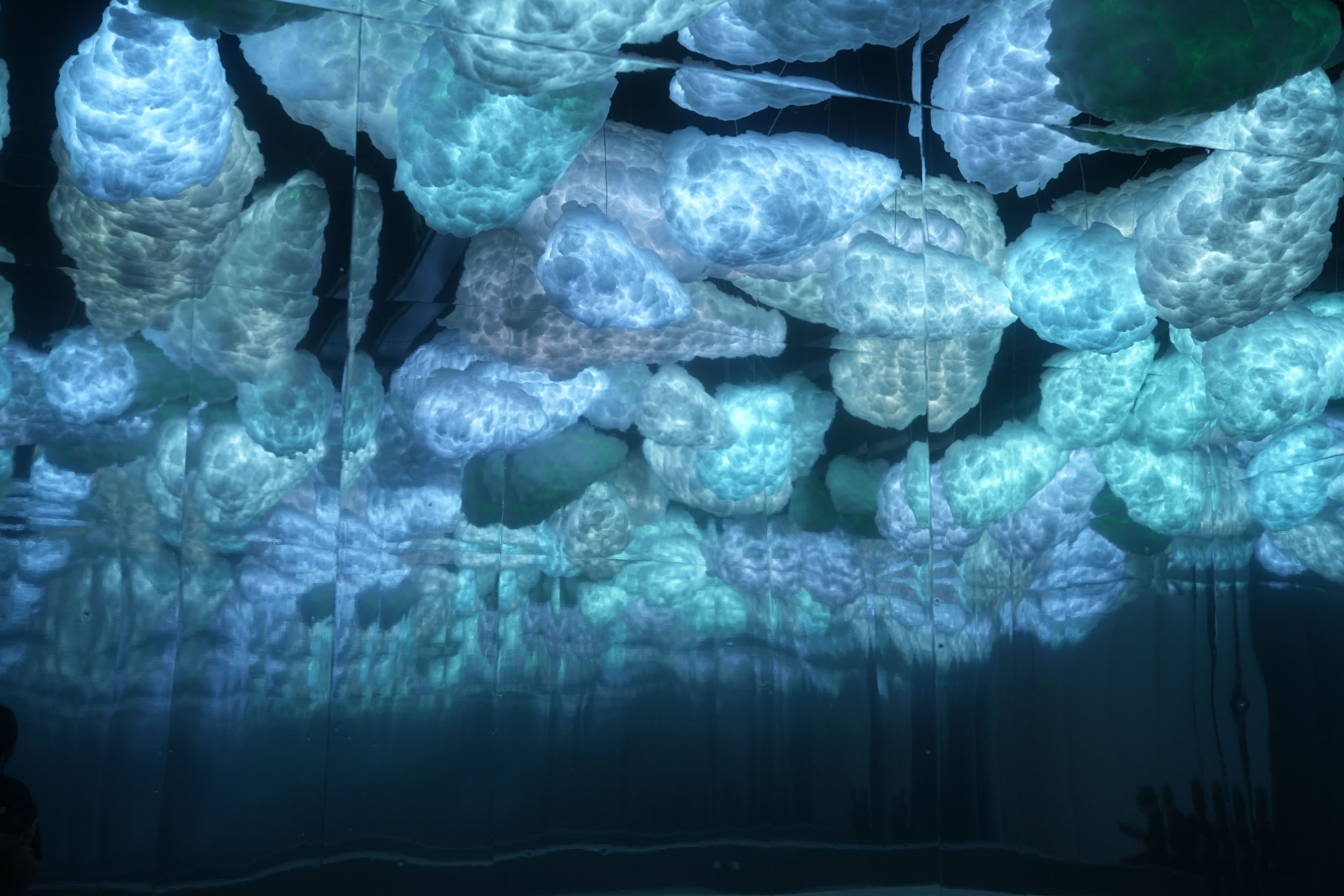
Advancements in technology have played a significant role in shaping interactive installations. Artists now harness the power of virtual reality, augmented reality, sensors, and other cutting-edge tools to create immersive environments that challenge perceptions and push artistic boundaries.
Social Interaction and Collaboration
Interactive installations foster social interaction and collaboration among viewers, creating shared experiences that transcend individual interpretations. These artworks become catalysts for dialogue, connection, and community engagement.
The Future of Artistic Expression
As artists continue to experiment with interactive installations, the possibilities for artistic expression are endless. The fusion of art with technology opens up new avenues for creativity and innovation, paving the way for a future where art becomes an interactive and participatory experience for all.
Experience the transformative power of interactive installations and immerse yourself in a world where art comes alive through engagement and interaction.
8 Essential Tips for Designing Engaging Interactive Installations
- Consider the audience interaction level.
- Ensure user-friendly interfaces for seamless interaction.
- Provide clear instructions on how to engage with the installation.
- Test the installation thoroughly to identify and fix any technical issues.
- Incorporate sensory elements like sound, light, and touch for a multi-dimensional experience.
- Encourage social interaction by designing collaborative features.
- Regularly maintain and update the installation to keep it engaging and functional.
- Gather feedback from users to continuously improve the interactive experience.
Consider the audience interaction level.
When creating interactive installations, it is essential to consider the audience interaction level. Tailoring the level of engagement to suit the target audience can enhance the overall experience and ensure meaningful participation. By understanding the preferences and expectations of viewers, artists can design installations that strike a balance between accessibility and challenge, encouraging active involvement while maintaining a sense of intrigue and discovery. Careful consideration of audience interaction level can elevate the impact of interactive artworks and create memorable experiences for all participants.
Ensure user-friendly interfaces for seamless interaction.
To maximize the impact of interactive installations, it is crucial to prioritize user-friendly interfaces that facilitate seamless interaction. By designing intuitive interfaces that are easy to navigate and understand, viewers can engage with the artwork effortlessly, enhancing their overall experience. Clear instructions, responsive feedback, and intuitive controls contribute to a more immersive and enjoyable interaction, allowing users to fully immerse themselves in the interactive installation without barriers or confusion.
Provide clear instructions on how to engage with the installation.
When creating interactive installations, it is crucial to provide clear instructions on how to engage with the artwork. Clear and concise guidance helps viewers understand the intended interaction and encourages active participation. By outlining simple steps or prompts, artists can enhance the viewer experience and ensure that individuals feel comfortable and confident in engaging with the installation. Clarity in instructions fosters a sense of inclusivity and empowers viewers to fully immerse themselves in the interactive artwork, ultimately enriching their overall engagement and connection with the piece.
Test the installation thoroughly to identify and fix any technical issues.
Before unveiling an interactive installation to the public, it is crucial to rigorously test the setup to uncover and address any potential technical glitches. Thorough testing ensures a seamless and immersive experience for viewers, allowing them to engage with the artwork without interruptions. By identifying and resolving any technical issues beforehand, artists can guarantee that their vision is fully realized, creating a captivating and frictionless interaction that enhances the overall impact of the installation.
Incorporate sensory elements like sound, light, and touch for a multi-dimensional experience.
To create a truly immersive and engaging interactive installation, it is crucial to incorporate sensory elements such as sound, light, and touch. By integrating these multi-dimensional components into the artwork, artists can elevate the viewer’s experience to a whole new level. The interplay of sensory stimuli not only captivates the audience but also deepens their connection with the installation, making it a memorable and impactful encounter that resonates on a profound level.
Encourage social interaction by designing collaborative features.
To enhance the interactive experience of installations, artists can encourage social interaction by incorporating collaborative features into their designs. By providing opportunities for viewers to engage with each other within the artwork, a sense of community and shared creativity is fostered. Collaborative features not only enrich the overall experience but also promote dialogue, connection, and a sense of collective participation, transforming the viewing experience into a dynamic and interactive journey for all involved.
Regularly maintain and update the installation to keep it engaging and functional.
To ensure the longevity and effectiveness of an interactive installation, it is essential to regularly maintain and update the artwork. By conducting routine maintenance checks and implementing updates, artists can keep the installation engaging and functional for viewers. This proactive approach not only helps prevent technical issues but also allows for the integration of new features or enhancements that enhance the overall experience. Keeping the installation fresh and up-to-date ensures that it continues to captivate audiences and remains a relevant and impactful piece of interactive art.
Gather feedback from users to continuously improve the interactive experience.
To enhance the quality of interactive installations, it is essential to gather feedback from users and incorporate their insights into the creative process. By listening to user feedback, artists can identify areas for improvement, address any usability issues, and fine-tune the interactive experience to better resonate with the audience. This iterative approach not only ensures that the artwork remains relevant and engaging but also fosters a sense of collaboration between the artist and the viewers, ultimately enriching the overall interactive experience.