The Evolution of Interactive Art Installations
Interactive art installations have revolutionized the way we experience and engage with art. Combining technology, creativity, and audience participation, these installations blur the lines between the artist and the viewer, creating immersive and dynamic experiences that transcend traditional art forms.
Engaging the Senses
Unlike static artworks that are meant to be observed from a distance, interactive art installations invite viewers to become active participants in the creative process. By encouraging touch, movement, sound, or even virtual reality experiences, these installations engage multiple senses and create a deeper connection between the artwork and the audience.
Breaking Down Barriers
One of the most significant aspects of interactive art installations is their ability to break down barriers between artists and viewers. Instead of being passive observers, participants are encouraged to explore, interact with, and sometimes even manipulate the artwork itself. This collaborative approach fosters a sense of ownership and co-creation that is unique to interactive art.
Pushing Boundaries
Interactive art installations push the boundaries of traditional art forms by incorporating elements of technology, interactivity, and audience engagement. Artists are no longer limited by canvas size or physical constraints but can create immersive experiences that evolve in real-time based on viewer interactions. This dynamic nature challenges conventional notions of what art can be and how it can be experienced.
Embracing Innovation
As technology continues to advance, so too do interactive art installations. From augmented reality experiences to responsive environments driven by artificial intelligence, artists are embracing innovation to create ever more engaging and thought-provoking installations. These cutting-edge creations not only captivate audiences but also inspire new ways of thinking about art and its role in society.
The Future of Art
As we look towards the future, interactive art installations offer a glimpse into the evolving landscape of contemporary art. By bridging the gap between artist and viewer, breaking down traditional boundaries, pushing artistic boundaries, and embracing innovation, these installations pave the way for a more inclusive and dynamic artistic experience for audiences around the world.
Exploring Interactive Art Installations: Creation, Types, and Immersive Experiences
- How to make an interactive installation?
- What are the 5 types of installation art?
- What is immersive art installation?
- What is an interactive art installation?
How to make an interactive installation?
Creating an interactive art installation involves a combination of artistic vision, technical expertise, and audience engagement. To make an interactive installation, artists typically begin by defining the concept and purpose of the artwork, considering how they want viewers to interact with it. Next, they choose suitable technologies or mediums that align with their vision, whether it’s sensors, projections, virtual reality, or other interactive elements. Artists then design and prototype the installation, testing different interactions to ensure a seamless user experience. Collaboration with programmers, engineers, and designers may be necessary to bring the project to life successfully. Finally, artists fine-tune the installation based on feedback and observations during testing phases to create a compelling and engaging experience for viewers.
What are the 5 types of installation art?
Installation art encompasses a diverse range of creative expressions that transcend traditional boundaries of artistic practice. When exploring the question “What are the 5 types of installation art?” one may encounter a variety of categories that showcase the breadth and depth of this dynamic art form. Some common types include immersive installations that fully immerse viewers in a multisensory experience, site-specific installations that interact with and respond to their environment, interactive installations that invite audience participation and engagement, conceptual installations that challenge perceptions and provoke thought, and kinetic installations that incorporate movement and dynamism into the artwork. Each type offers a unique perspective on how installation art can captivate, inspire, and transform the viewer’s understanding of space, time, and artistic expression.
What is immersive art installation?
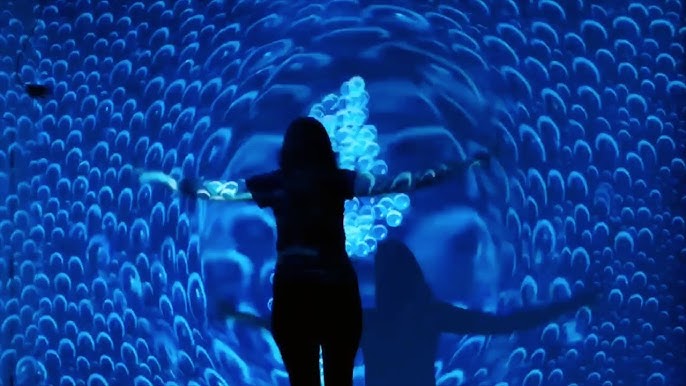
An immersive art installation refers to a type of interactive artwork that fully engages the viewer’s senses and transports them into a different world or environment. These installations often utilize technology, sound, lighting, and physical elements to create a multi-sensory experience where the viewer becomes an integral part of the artwork itself. By surrounding the viewer with visuals, sounds, and tactile sensations, immersive art installations blur the boundaries between reality and fiction, inviting participants to explore, interact with, and sometimes even influence the artistic narrative unfolding around them.
What is an interactive art installation?
An interactive art installation is a dynamic and engaging artwork that invites viewer participation and interaction, blurring the boundaries between the artist’s creation and the audience’s experience. Unlike traditional static art pieces, interactive installations often incorporate elements of technology, sound, movement, or virtual reality to create immersive experiences that respond to viewer input. By encouraging active engagement and exploration, these installations transform the passive observer into an active participant in the artistic process, fostering a deeper connection and dialogue between the artwork and its viewers.