
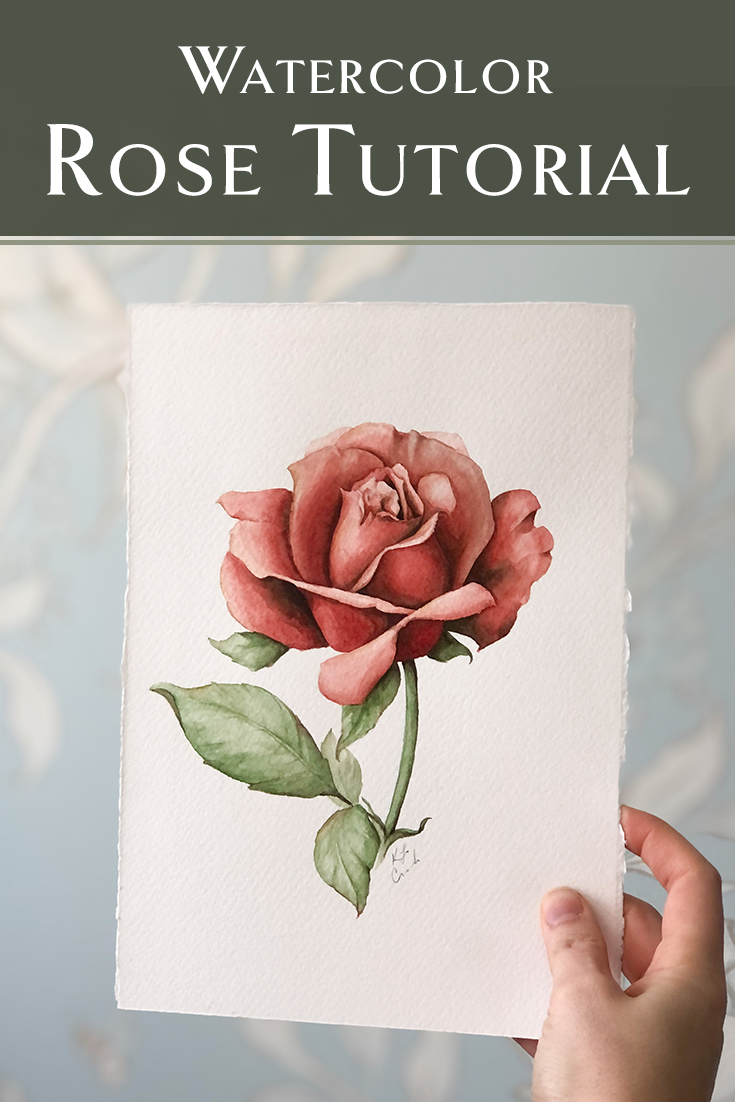
The Timeless Beauty of Rose Painting
Roses have long been a symbol of love, beauty, and passion. Their delicate petals and enchanting fragrance have inspired artists for centuries to capture their essence on canvas through the art of rose painting.
From the vibrant reds to the soft pinks and creamy whites, roses come in a myriad of colors that evoke different emotions and moods. Artists use various techniques to portray the intricate details of a rose – from the velvety texture of its petals to the subtle play of light and shadow that adds depth and dimension to the painting.
One of the most famous rose painters in art history is Pierre-Joseph Redouté, known as the “Raphael of Flowers.” His botanical illustrations of roses are highly detailed and exquisitely rendered, capturing the beauty and elegance of these timeless flowers with precision and grace.
Contemporary artists continue to explore the theme of rose painting, infusing it with modern interpretations and styles. Some artists choose to focus on abstract representations, using bold colors and expressive brushstrokes to convey the essence of a rose without adhering to realism.
Whether it’s a classic still life composition or a contemporary abstract interpretation, rose painting remains a popular subject among artists and art enthusiasts alike. The allure of roses transcends time and culture, making them a timeless muse for artistic expression.
When you gaze upon a rose painting, you are not just admiring a flower – you are experiencing an artist’s interpretation of beauty, love, and passion captured in every brushstroke. The timeless beauty of rose painting continues to inspire us, reminding us of the enduring power of nature’s most beloved flower.
Exploring Rose Painting: Techniques, Artists, Learning Tips, Colors, and Symbolism
- What are the different techniques used in rose painting?
- Who are some famous artists known for their rose paintings?
- How can I learn to paint roses effectively?
- What colors are commonly used in rose painting?
- What is the symbolism behind roses in art?
What are the different techniques used in rose painting?
When it comes to rose painting, artists employ a variety of techniques to capture the beauty and intricacies of this beloved flower. One common technique is layering, where artists build up layers of paint to create depth and dimension in the petals. Another popular technique is wet-on-wet painting, where colors are applied while the paint is still wet to achieve soft blends and transitions. Dry brushing is also commonly used to add texture and detail to the petals, creating a realistic look. Additionally, artists may utilize glazing techniques to achieve a luminous quality in their rose paintings. Each technique brings its own unique charm and allows artists to express the timeless beauty of roses in their own creative style.
Who are some famous artists known for their rose paintings?
When exploring the world of rose painting, one cannot overlook the contributions of renowned artists who have immortalized the beauty of roses on canvas. Pierre-Joseph Redouté, often referred to as the “Raphael of Flowers,” stands out as a prominent figure known for his exquisite botanical illustrations of roses. His meticulous attention to detail and mastery of capturing the delicate intricacies of roses have made his works timeless treasures in the art world. Additionally, Georgia O’Keeffe, famous for her modernist approach to floral art, has also created stunning rose paintings that exude a sense of vibrancy and sensuality. These artists, among others, have left an indelible mark on the genre of rose painting, inspiring generations with their unique interpretations and artistic visions.
How can I learn to paint roses effectively?
To learn to paint roses effectively, aspiring artists can start by studying the anatomy of a rose, paying close attention to its petals, stem, and leaves. Practicing basic sketching and shading techniques will help in capturing the form and texture of a rose accurately. Experimenting with different painting mediums such as watercolors, acrylics, or oils can also enhance one’s understanding of color mixing and blending to achieve realistic rose hues. Taking online tutorials, attending workshops, or seeking guidance from experienced artists can provide valuable insights and feedback to improve one’s rose painting skills. Consistent practice, patience, and a keen eye for detail are essential in mastering the art of painting roses effectively.
What colors are commonly used in rose painting?
In rose painting, artists commonly use a diverse range of colors to capture the essence and beauty of this iconic flower. While red is often associated with roses due to its classic symbolism of love and passion, artists also utilize shades of pink, white, yellow, and even hues of orange and lavender to depict the various colors and varieties of roses found in nature. These colors are carefully blended and layered to create depth, realism, and evoke different emotions associated with the diverse meanings of roses. The choice of colors in rose painting allows artists to express a wide spectrum of feelings and interpretations through their artwork, making each piece unique and captivating in its own way.
What is the symbolism behind roses in art?
Roses hold a rich symbolism in art, representing various emotions and concepts that have captivated artists throughout history. In art, roses often symbolize love, beauty, and passion, reflecting the delicate yet powerful nature of these flowers. The different colors of roses also carry specific meanings – red roses symbolize romantic love, while white roses signify purity and innocence. Beyond their literal representation, roses in art can evoke themes of growth, transformation, and the fleeting nature of beauty. Artists use the symbolism behind roses to convey deep emotions and universal truths, making them a timeless subject in artistic expression.



Everyone loves what you guys are up too. This sort of
clever work and reporting! Keep up the excellent works
guys I’ve added you guys to my blogroll. https://truepharm.org/
I enjoy, result in I found just what I was taking a look for.
You’ve ended my four day long hunt! God Bless you man. Have a great day.
Bye https://meds24.sbs/
A cool website is a online space where you arrive and immediately understand that everything is built for
the user: the site doesn’t lag, pages open instantly,
and the right info shows up in seconds. The design is clean and modern,
without unnecessary details, but with nice touches that help you navigate.
The navigation is intuitive, the labels are simple, and in every version — from mobile to desktop
— everything looks cohesive and convenient.
But the main thing in a site like this is not the visuals alone, but the feeling of
convenience: it speeds things up and simplifies the process
more than you think. Requests run without glitches, search returns relevant
results, and the profile (if provided) simplifies instead of complicating.
In the end, a web project like this creates a clear feeling:
it pulls you back, because everything works the way it
should.
Also visit my blog post – pokies