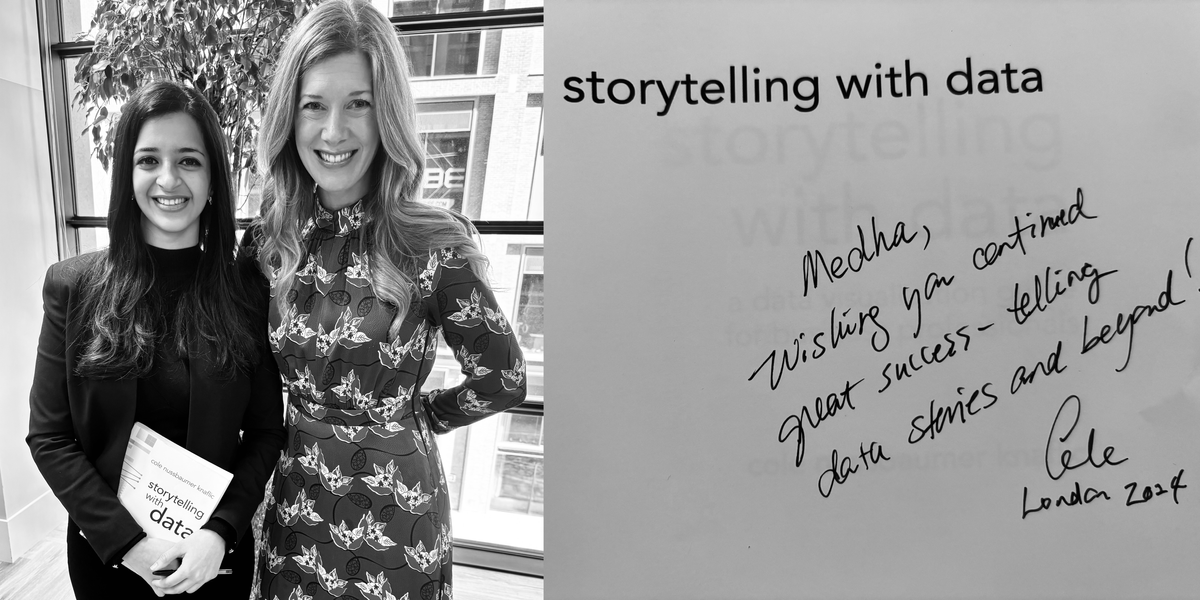
The Art of Storytelling with Data: Insights from Cole Nussbaumer
Data visualization is more than just presenting numbers and figures—it’s about telling a compelling story that resonates with the audience. Cole Nussbaumer, a leading expert in data storytelling, emphasizes the importance of crafting narratives that make data meaningful and actionable.
Connecting Data to Emotion
Nussbaumer believes that data is most powerful when it evokes an emotional response from the viewers. By framing data within a narrative structure, she helps audiences connect on a deeper level and understand the significance behind the numbers. This emotional connection drives engagement and prompts action based on insights derived from the data.
Visual Communication Strategies
Visual communication plays a crucial role in effective data storytelling. Nussbaumer advocates for using clear, concise visuals that enhance comprehension and retention. By incorporating charts, graphs, and infographics strategically, she transforms complex data sets into digestible stories that captivate and inform.
The Power of Context
In her approach to storytelling with data, Nussbaumer emphasizes the importance of context. Providing context helps audiences interpret data accurately and draw informed conclusions. By contextualizing data within a narrative framework, she enables viewers to see the bigger picture and understand the implications of the insights presented.
Empowering Action through Data Stories
Nussbaumer’s work inspires organizations and individuals to leverage data as a tool for driving positive change. By harnessing the power of storytelling with data, she empowers decision-makers to make informed choices that lead to tangible outcomes. Through compelling narratives backed by solid evidence, she sparks conversations, influences decisions, and fosters meaningful progress.
As Cole Nussbaumer continues to champion the art of storytelling with data, her insights serve as a guiding light for those seeking to unlock the full potential of their information assets. By weaving narratives that resonate with audiences and drive action, she demonstrates how data can be transformed into a powerful catalyst for change.
Unlocking the Power of Data Storytelling: 9 Benefits Highlighted by Cole Nussbaumer
- 1. Enhances data comprehension through storytelling.
- 2. Evokes emotional engagement with data insights.
- 3. Empowers decision-makers to take action based on data.
- 4. Transforms complex data into digestible narratives.
- 5. Utilizes visual communication for impactful data presentation.
- 6. Provides context to facilitate accurate interpretation of data.
- 7. Inspires positive change through compelling data stories.
- 8. Sparks conversations and influences decisions effectively.
- 9. Demonstrates the power of storytelling in driving meaningful progress.
Five Challenges in Storytelling with Data: Navigating Complexity, Bias, Interpretation, Integrity, and Engagement
1. Enhances data comprehension through storytelling.
Storytelling with data, as advocated by Cole Nussbaumer, enhances data comprehension by weaving narratives that make complex information more accessible and engaging. By presenting data within a storytelling framework, individuals can better grasp the significance of the numbers and trends being communicated. Through compelling stories that contextualize data points and convey insights in a relatable manner, audiences are able to comprehend the information more effectively and retain key messages. This approach not only facilitates a deeper understanding of the data but also encourages meaningful interpretation and application of insights for informed decision-making.
2. Evokes emotional engagement with data insights.
One significant advantage of storytelling with data, as highlighted by Cole Nussbaumer, is its ability to evoke emotional engagement with data insights. By framing data within a narrative context that resonates with the audience on an emotional level, storytelling can transform dry statistics into compelling stories that capture attention and drive meaningful connections. This emotional engagement not only enhances the impact of the data but also motivates individuals to act upon the insights presented, leading to more informed decision-making and positive outcomes.
3. Empowers decision-makers to take action based on data.
By emphasizing the power of storytelling with data, Cole Nussbaumer empowers decision-makers to take action based on factual information and insights. Through compelling narratives that convey the significance of data in a clear and engaging manner, Nussbaumer enables leaders to make informed decisions that drive positive outcomes. By bridging the gap between raw data and actionable strategies, she equips decision-makers with the tools they need to leverage data effectively and implement evidence-based solutions that lead to meaningful impact.
4. Transforms complex data into digestible narratives.
Cole Nussbaumer’s expertise in storytelling with data shines through in her ability to transform complex datasets into digestible narratives. By breaking down intricate information into cohesive and engaging stories, she makes data more accessible and understandable for a wide range of audiences. Through her skillful narrative crafting, Nussbaumer empowers individuals to extract valuable insights from complex data sets, enabling them to make informed decisions and drive meaningful actions based on the information presented.
5. Utilizes visual communication for impactful data presentation.
Cole Nussbaumer’s expertise in storytelling with data shines through her adept use of visual communication to deliver impactful data presentations. By leveraging charts, graphs, and infographics strategically, she transforms complex datasets into visually engaging narratives that resonate with audiences. Her emphasis on clear and concise visuals not only enhances comprehension but also ensures that the key insights are effectively communicated. Through her skillful integration of visual elements, Nussbaumer elevates data storytelling to a compelling and memorable experience, making the information more accessible and actionable for viewers.
6. Provides context to facilitate accurate interpretation of data.
Storytelling with data, as advocated by Cole Nussbaumer, offers the valuable benefit of providing context to facilitate the accurate interpretation of data. By placing data within a narrative framework, viewers are able to understand the significance of the information presented and make informed decisions based on a deeper comprehension of the context surrounding the data. This contextual approach not only enhances understanding but also ensures that conclusions drawn from the data are grounded in a holistic view of the situation, leading to more meaningful insights and impactful outcomes.
7. Inspires positive change through compelling data stories.
By inspiring positive change through compelling data stories, Cole Nussbaumer harnesses the transformative power of information to drive meaningful impact. Her ability to craft narratives that resonate with audiences and convey complex data in a relatable manner motivates individuals and organizations to take action based on insights derived from the data. By highlighting key findings and presenting them within a compelling story framework, Nussbaumer empowers decision-makers to make informed choices that lead to tangible outcomes, fostering a culture of progress and innovation.
8. Sparks conversations and influences decisions effectively.
One significant advantage of storytelling with data, as championed by Cole Nussbaumer, is its ability to spark conversations and influence decisions effectively. By presenting data in a narrative format that resonates with the audience, meaningful discussions are initiated, leading to a deeper understanding of the insights conveyed. This approach not only encourages dialogue but also empowers decision-makers to make informed choices based on the compelling stories derived from the data. Through engaging storytelling, data becomes a powerful tool for shaping perspectives and driving impactful decisions that can drive positive change.
9. Demonstrates the power of storytelling in driving meaningful progress.
Cole Nussbaumer’s expertise in storytelling with data shines through as she demonstrates the profound impact of narrative-driven insights on driving meaningful progress. By weaving compelling stories around data, Nussbaumer showcases how storytelling can be a catalyst for positive change and transformation. Her ability to communicate complex information in a clear and engaging manner not only educates and informs but also inspires action and decision-making that leads to tangible outcomes. Through her work, she illustrates the potential of data storytelling to drive innovation, foster collaboration, and ultimately make a real difference in the world.
1. Complexity
Storytelling with data, while a powerful tool for communication, can have its drawbacks. One significant con highlighted by Cole Nussbaumer is the risk of oversimplifying complex information. In an attempt to craft a compelling narrative, there is a possibility of glossing over intricate details or nuances within the data. This oversimplification can create misunderstandings among the audience, as they may not grasp the full complexity of the information being presented. Striking a balance between simplification for clarity and retaining essential complexity is crucial in effective data storytelling to ensure that insights are accurately interpreted and acted upon.
2. Bias
When engaging in storytelling with data, one significant con to consider is the potential for bias to seep into the narrative. The process of selecting and presenting data to bolster a specific story can inadvertently introduce biases that skew the interpretation of information. This bias can influence how audiences perceive the data and may lead to misleading conclusions or misrepresentations. It is crucial for storytellers, like Cole Nussbaumer, to remain vigilant in recognizing and mitigating bias to ensure that the data-driven narrative remains objective, accurate, and ethically sound.
3. Interpretation
In the realm of storytelling with data, a notable con highlighted by Cole Nussbaumer is the aspect of interpretation. One significant challenge lies in the fact that diverse audiences may interpret data stories differently, leading to varying perspectives on the message being conveyed. This variability in interpretation can impact the effectiveness of the storytelling process, as it may result in miscommunication or misunderstandings among viewers. Navigating this con requires careful consideration of audience demographics, prior knowledge, and cultural backgrounds to ensure that data stories resonate accurately and meaningfully across all segments of the audience.
4. Data Integrity
Ensuring the accuracy and integrity of data used in storytelling is a critical aspect of data visualization. Without reliable and trustworthy data, the narrative presented loses its credibility and impact. Cole Nussbaumer emphasizes the importance of upholding data integrity to build trust with the audience. By verifying sources, checking for errors, and maintaining transparency in data collection processes, storytellers can strengthen the foundation of their narratives and instill confidence in the insights shared. Data integrity serves as a cornerstone for effective storytelling with data, enabling audiences to make informed decisions based on accurate information.
5. Engagement
Engagement can be a significant con when it comes to storytelling with data, as not all audiences may be inherently receptive to data-driven narratives. This poses a challenge in capturing their interest and involvement, especially when the audience is not familiar with interpreting or appreciating data visualizations. Without engaging the audience effectively, the impact of the data story may be lost, hindering the communication of key insights and potentially limiting the desired outcomes of the storytelling process.