Wall Art: A Simple Way to Bring a Room to Life
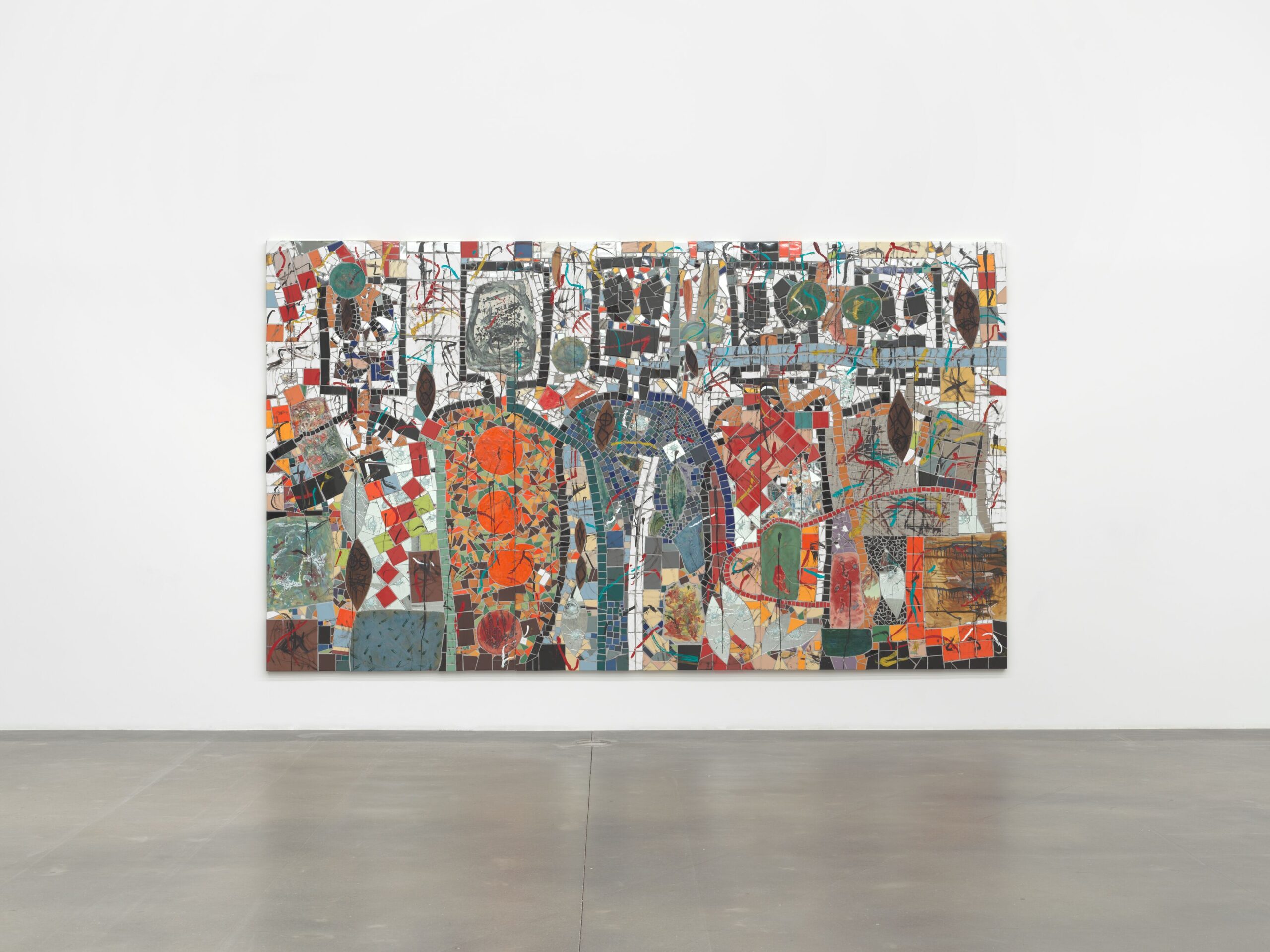
Wall art can change the feel of a room without requiring a full redecoration. A painting, photograph, print or textile can introduce colour, create a focal point and reflect the people who live in the space. Whether you prefer bold contemporary pieces or quieter, more minimal designs, the right artwork can help a room feel complete.
Choosing Wall Art for Your Space
Start by considering the room’s purpose and atmosphere. A lively abstract piece might bring energy to a sitting room, while a calm landscape or subtle print may suit a bedroom. In a home office, artwork can add personality and make the space more inviting.
Think about the colours already in the room, including those in the furniture, rugs and soft furnishings. Art does not have to match everything exactly. A complementary shade can tie a room together, while a contrasting colour can make the artwork stand out.
Finding the Right Size and Position
Scale matters. A small picture on a large, empty wall can look lost, while an oversized work may overwhelm a compact room. For a balanced arrangement above a sofa or sideboard, choose a piece or group of works that relates to the width of the furniture below it.
Hang artwork at a comfortable viewing height, taking account of how the room is used. In a hallway, for example, pictures should be easy to enjoy as people pass by. In a sitting room, consider the usual seated eye level.
Creating a Gallery Wall
A gallery wall brings several pieces together in one display. It can include a mix of photographs, illustrations, prints and other objects, or follow a consistent theme. Before putting hooks in the wall, arrange the pieces on the floor or make paper templates to test the layout.
For a more unified look, use similar frames or repeat a colour across the artworks. For a relaxed, collected feel, mix frame styles and sizes while keeping the spacing between pieces fairly consistent.
Choosing a Style
Wall art comes in many forms, from original paintings and limited-edition prints to photography, posters and handcrafted pieces. Abstract art can add shape and movement, while figurative work often draws attention to people, places or stories. Textured works and textiles can bring warmth and depth to a room.
There is no need to follow a single style throughout the home. A thoughtfully chosen contrast can make an interior feel more personal. The most important consideration is whether the piece suits the space and is something you enjoy looking at.
Looking After Your Artwork
To help preserve artwork, avoid placing it in direct sunlight or close to sources of heat and moisture. Use suitable hanging hardware for the wall type and the weight of the piece. When displaying valuable or delicate works, consider professional framing with appropriate protective materials.
Make the Walls Your Own
Wall art is a practical and personal way to shape the character of a home. With careful choices around colour, size and placement, even one well-chosen piece can make a room feel more considered. Start with what you love, then let the artwork guide the rest of the display.
8 Tips for Styling Wall Art in Your Home
- Hang art at eye level.
- Choose frames to suit the room.
- Use colour to tie the space together.
- Leave room around each piece.
- Group small prints for impact.
- Keep artwork away from damp walls.
- Try a paper layout before hanging.
- Mix sizes for a relaxed look.
Hang art at eye level.
Hang art at eye level so it’s easy to appreciate and feels naturally placed in the room. As a general guide, position the centre of the artwork around 145–150 cm from the floor, adjusting for the height of the room and whether people will mostly view it while standing or sitting. If hanging a piece above furniture, leave enough space between the two so they feel connected without the artwork appearing cramped.
Choose frames to suit the room.
Choose frames that suit the room as well as the artwork. A simple, understated frame can complement a modern interior, while a more decorative style may add character to a traditional space. Consider the colours and finishes already in the room, and keep frames consistent for a polished look or mix styles for a more relaxed, personal display.
Use colour to tie the space together.
Use colour to tie the space together by choosing wall art that picks up shades already found in your furnishings, rugs or accessories. The artwork doesn’t need to match them exactly; complementary colours can create a harmonious feel, while a contrasting accent can add interest and draw the eye.
Leave room around each piece.
Leave room around each piece so it has space to stand out and can be appreciated on its own. In a gallery wall, consistent gaps between frames help the arrangement feel balanced and intentional, while avoiding a crowded look.
Group small prints for impact.
Group small prints together to create a display with greater impact than a single piece. Arrange them in a neat grid for a clean, balanced look, or mix frame sizes for a more relaxed feel. Before hanging them, lay out the prints on the floor to test the spacing and overall shape. Keeping a consistent gap between each frame will help the collection feel considered and cohesive.
Keep artwork away from damp walls.
Keep artwork away from damp walls, as moisture can damage the surface, cause colours to fade and encourage mould growth. Before hanging a picture, check that the wall is dry and well ventilated, particularly in bathrooms, kitchens and older homes. If you notice signs of damp, address the problem before displaying artwork there.
Try a paper layout before hanging.
Before hanging your wall art, try laying out the pieces on the floor or cutting paper templates to match their sizes. Move them around until you find an arrangement that feels balanced, then mark the positions on the wall. This simple step helps you check spacing and alignment before making any holes.
Mix sizes for a relaxed look.
Mixing different sizes of wall art creates a relaxed, collected look that feels personal rather than overly formal. Pair larger statement pieces with smaller prints or photographs, and vary their placement to add interest. For a balanced display, keep a consistent gap between frames or repeat a colour or theme across the pieces.