Perspective: Seeing the World in a New Way
Perspective shapes how we understand the world. It influences what we notice, how we interpret events and the meaning we give to our experiences. In art, perspective can create the illusion of depth on a flat surface. In everyday life, it helps us consider different viewpoints and see beyond our own assumptions.
Perspective in Art
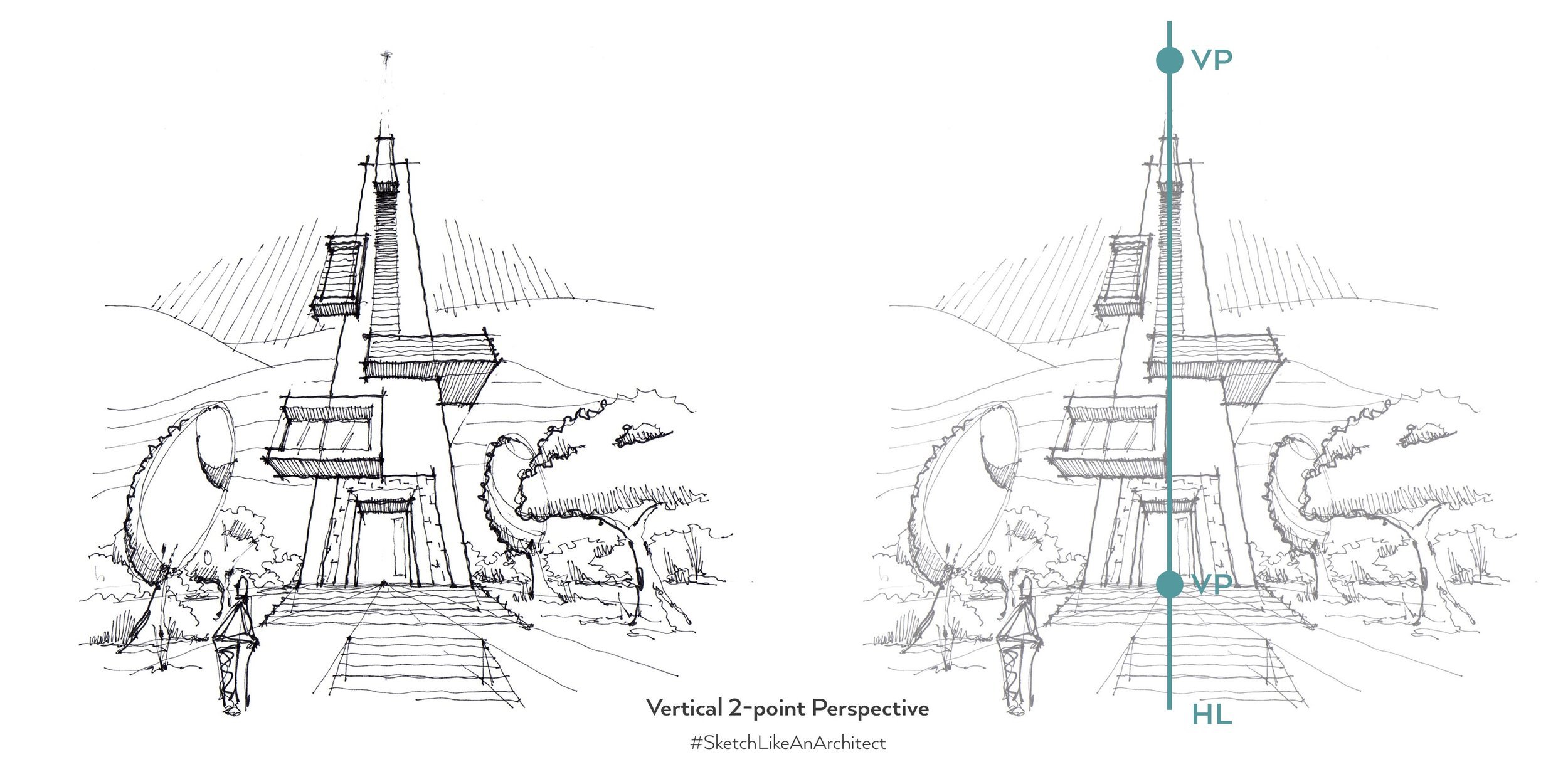
Artists use perspective to guide the eye and suggest space, distance and scale. Linear perspective, for example, uses lines that appear to meet at a point on the horizon. Objects seem smaller as they recede into the distance, making a two-dimensional image feel more realistic.
But perspective is not only a technical method. An artist’s choice of viewpoint can change the mood and meaning of a work. A scene viewed from above may feel exposed or orderly, while the same scene viewed from below can seem imposing. Close-up details can draw attention to texture and emotion; a wider view may reveal how people and places relate to one another.
Perspective in Everyday Life
In daily life, perspective is the frame through which we see a situation. Two people can experience the same event and come away with very different interpretations, shaped by their memories, values and circumstances. Recognising this does not mean that every viewpoint is equally accurate. It means taking time to understand what may have informed it.
Considering another person’s perspective can strengthen communication and help resolve disagreements. Asking thoughtful questions, listening without rushing to respond and separating what happened from how it felt can all make room for a clearer understanding.
Changing Your Point of View
A fresh perspective can make a familiar subject seem new. In creative practice, changing the angle, scale or context of an image can reveal details that might otherwise go unnoticed. Outside the studio, stepping back from a difficult moment can help distinguish temporary frustration from the broader picture.
Changing perspective does not require abandoning personal convictions. It asks for curiosity: the willingness to look again, consider what may be missing and accept that understanding can grow over time.
A Wider View
Perspective connects observation with interpretation. It shapes how art is made and experienced, and how people understand one another. By looking closely, listening carefully and remaining open to new angles, we can find meaning in what once seemed ordinary—and see familiar things in a different light.
9 Ways Perspective Enriches Understanding, Creativity and Connection
- Encourages empathy
- Broadens understanding
- Inspires creativity
- Reveals new possibilities
- Supports clearer decisions
- Challenges assumptions
- Improves communication
- Helps solve problems
- Adds depth to art
The Drawbacks of Perspective
- Perspective can be subjective and shaped by personal bias.
- A limited viewpoint may leave out important details.
- Different perspectives can lead to misunderstandings.
- Changing perspective can be difficult when beliefs are deeply held.
Encourages empathy
Perspective encourages empathy by helping us see a situation through someone else’s eyes. Taking time to consider another person’s experiences, feelings and circumstances can deepen understanding and soften snap judgements. This does not mean agreeing with every viewpoint; it means listening with care and recognising the person behind it. By making room for different perspectives, we can build stronger relationships and respond to others with greater compassion.
Broadens understanding
Perspective broadens understanding by helping us see beyond our own experiences and consider how others view the world. Listening to different opinions can reveal details we may have overlooked, challenge assumptions and bring greater depth to a conversation. By staying open to other points of view, we can make more thoughtful decisions and build stronger connections with the people around us.
Inspires creativity
Perspective inspires creativity by encouraging us to look at familiar subjects in fresh ways. A shift in viewpoint, scale or context can reveal unexpected details and spark new ideas, whether in art, writing or everyday problem-solving. By exploring different perspectives, we can move beyond the obvious and find original ways to express, interpret and connect with the world around us.
Reveals new possibilities
Perspective can reveal possibilities that might otherwise go unnoticed. By looking at a situation from a different angle, we may spot new solutions, make unexpected connections or recognise opportunities hidden within a challenge. A fresh viewpoint encourages curiosity and creativity, helping us move beyond familiar assumptions and imagine what could be possible.
Supports clearer decisions
Perspective supports clearer decisions by helping people look beyond their immediate reactions and consider the wider context. Weighing different viewpoints, potential consequences and relevant information can reveal options that may not have been obvious at first. This broader understanding makes it easier to assess risks, set priorities and choose a course of action that is thoughtful and well informed.
Challenges assumptions
One of the key benefits of perspective is its ability to challenge assumptions. Looking at a situation from another person’s point of view can reveal details or experiences that were previously overlooked, prompting us to question what we took for granted. This openness encourages more thoughtful decisions, fairer conversations and a deeper understanding of the people and issues around us.
Improves communication
Perspective improves communication by helping us understand how another person may see a situation. When we listen with curiosity and consider their experiences, needs and feelings, we can respond more thoughtfully and avoid making assumptions. This makes conversations clearer, encourages empathy and helps people work through disagreements constructively.
Helps solve problems
Perspective helps solve problems by encouraging us to look beyond the most obvious answer. Considering different viewpoints can reveal overlooked details, challenge assumptions and uncover new ways forward. Whether working through a personal difficulty or tackling a challenge as a team, stepping back and seeing the situation from another angle can lead to clearer, more thoughtful solutions.
Adds depth to art
Perspective adds depth to art by creating the illusion of space on a flat surface. Through techniques such as overlapping shapes, changes in scale and converging lines, artists can make objects appear closer or farther away. This gives a scene a stronger sense of place and helps guide the viewer’s eye through the composition.
Perspective can be subjective and shaped by personal bias.
Perspective can be subjective, shaped by personal experiences, beliefs and biases. As a result, people may interpret the same situation in very different ways, sometimes overlooking details that challenge their assumptions. Being aware of this limitation encourages us to question our first impressions, consider other viewpoints and seek a fuller understanding before reaching a conclusion.
A limited viewpoint may leave out important details.
A limited viewpoint can leave out important details and lead to an incomplete understanding of a situation. When attention is focused on only one angle, relevant context, other people’s experiences or overlooked evidence may be missed. This can result in assumptions or decisions that do not reflect the full picture. Considering different perspectives helps reveal what may be missing and supports a more balanced view.
Different perspectives can lead to misunderstandings.
Different perspectives can sometimes lead to misunderstandings because people interpret words, actions and situations through their own experiences and assumptions. A comment intended as helpful may come across as criticism, while a disagreement about facts may actually reflect different values or priorities. Taking time to listen, ask questions and clarify what someone means can help bridge these differences and prevent small misinterpretations from becoming larger conflicts.
Changing perspective can be difficult when beliefs are deeply held.
Changing perspective can be difficult when beliefs are deeply held, as those beliefs may be closely tied to a person’s identity, values and sense of security. Encountering evidence or viewpoints that challenge them can feel uncomfortable, and may lead to defensiveness rather than reflection. Although re-examining assumptions can take time and patience, remaining open to other perspectives can help build understanding without requiring someone to abandon their values.