Surrealism: Art Beyond the Everyday
Surrealism is an artistic and literary movement that sought to release the imagination from the limits of logic and convention. It brought together dreamlike images, unexpected combinations and scenes that seem to follow the strange logic of the unconscious. Rather than simply depicting the world as it appears, surrealist artists invited viewers to question what is real and to look beyond the familiar.
Origins of the movement
Surrealism emerged in Europe in the years following the First World War, amid widespread disillusionment with established ideas about society, reason and progress. The French writer André Breton became its leading theorist. In his Manifesto of Surrealism, published in 1924, he described surrealism as a way of bringing together dream and reality to create a richer understanding of experience.
The movement was influenced by new ideas about the unconscious, including the work of psychoanalyst Sigmund Freud. Surrealists were interested in dreams, memory, desire and the thoughts people might usually suppress. They believed that exploring these subjects could open up new forms of creativity and challenge the conventions of everyday life.
Artists and distinctive imagery
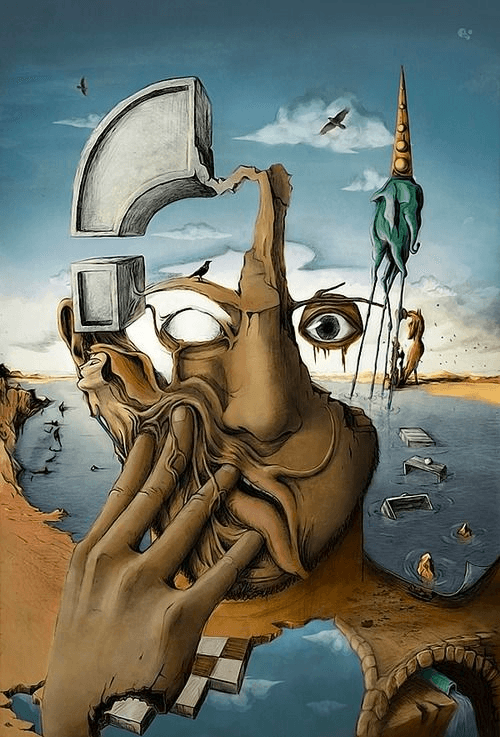
Surrealism took many forms, and its artists developed highly individual styles. Salvador Dalí is known for meticulously painted scenes in which familiar objects appear in impossible or unsettling ways. René Magritte placed ordinary things in puzzling contexts, encouraging viewers to reconsider the relationship between an image and the object it represents. Max Ernst experimented with collage and unusual painting techniques, while Joan Miró developed a more abstract visual language of shapes, signs and vivid colour.
Women played an important part in the movement, too. Artists including Leonora Carrington, Leonor Fini, Remedios Varo and Dorothea Tanning created imaginative works that explored identity, transformation and alternative worlds. Their contributions have become increasingly recognised in accounts of surrealism’s history.
Techniques for unlocking the imagination
Surrealists used a range of methods to encourage unexpected ideas. Automatic writing involved writing quickly and freely, with as little conscious editing as possible. In visual art, artists experimented with collage, frottage (making images by rubbing a pencil over a textured surface) and decalcomania, in which paint is pressed between surfaces to create unpredictable patterns.
Other works relied on precise, realistic detail to make impossible scenes seem convincing. This contrast between careful technique and irrational subject matter is one reason surrealist images can feel both familiar and deeply strange.
Surrealism beyond painting
Surrealism was never confined to the canvas. It influenced poetry, photography, film, sculpture, theatre and design. Filmmakers used dreamlike sequences and startling visual transitions; photographers explored unusual perspectives and staged scenes; writers experimented with free association and unexpected juxtapositions. The movement also had an international reach, adapting as artists encountered different cultures and political contexts.
A lasting influence
Surrealism continues to shape contemporary art and popular culture. Its imagery can be found in film, advertising, fashion and graphic design, while its interest in dreams and the unconscious remains relevant to artists exploring memory, identity and the limits of perception.
At its heart, surrealism is an invitation to look again. By placing the ordinary beside the impossible, it unsettles привыч привыч?
9 Tips for Exploring Surrealism: Dreams, Chance and Everyday Wonder
- Explore dreams and the unconscious.
- Mix familiar things in strange ways.
- Let chance guide your art.
- Use unexpected images and symbols.
- Break the rules of logic.
- Try automatic writing or drawing.
- Look for wonder in everyday objects.
- Keep meanings open to interpretation.
- Be playful, bold and curious.
Explore dreams and the unconscious.
Explore dreams and the unconscious by keeping a notebook beside your bed and writing down images, feelings or fragments of stories as soon as you wake. Dreams often combine familiar things in unexpected ways, offering ideas that conscious thought might overlook. Use these impressions as starting points for your art or writing, and let curiosity guide you rather than trying to make every detail logical.
Mix familiar things in strange ways.
Mix familiar things in strange ways to create a surreal image that feels both recognisable and unexpected. Try placing an everyday object somewhere it doesn’t belong, changing its scale, or combining it with something entirely different—for example, a teacup filled with clouds or a fish swimming through a living room. The contrast between the ordinary and the impossible can spark curiosity and invite viewers to imagine their own story.
Let chance guide your art.
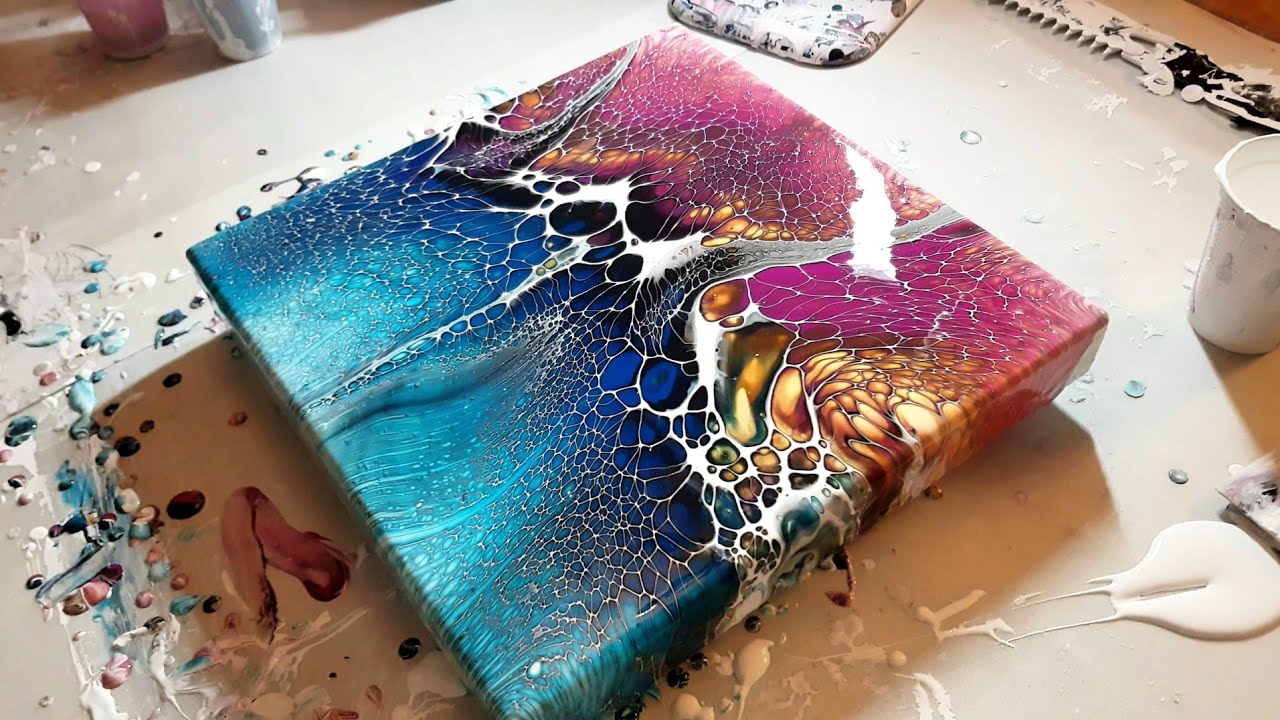
Let chance guide your art by welcoming unexpected marks, shapes and ideas instead of trying to control every detail. Try dropping paint onto a page, choosing materials at random or making a collage from images you find, then build on whatever surprises you. In surrealism, chance can reveal unusual connections and take your work in directions you might not have planned.
Use unexpected images and symbols.
Use unexpected images and symbols to make your surrealist work intriguing and open to interpretation. Combine familiar objects in unusual ways, or give them meanings that challenge what viewers expect—for example, place a clock in a tree or let a doorway open onto the sea. These surprising details can evoke the logic of dreams, spark curiosity and invite people to find their own meaning in the scene.
Break the rules of logic.
Break the rules of logic by bringing together things that would not normally belong in the same scene. A clock might melt over a tree branch, or a doorway might open onto the sea. In surrealism, these unexpected combinations can make familiar objects feel mysterious and encourage viewers to follow imagination rather than reason.
Try automatic writing or drawing.
Try automatic writing or drawing to let ideas flow without stopping to judge or edit them. Set a short timer, then write or sketch whatever comes to mind, even if it seems strange or disconnected. Surrealists used this kind of free expression to explore the unconscious and discover unexpected images, thoughts and connections.
Look for wonder in everyday objects.
Look for wonder in everyday objects by taking a closer look at the things you usually overlook: a key, a teacup or a crumpled piece of paper. Imagine how they might behave in a dream, change their purpose or appear in an unexpected setting. This playful shift in perspective is central to surrealism, where ordinary objects can become mysterious, strange and full of new meaning.
Keep meanings open to interpretation.
In surrealism, leaving meanings open to interpretation invites viewers to bring their own memories, emotions and associations to a work. Rather than explaining every symbol or fixing a single message, artists can combine unexpected images and ambiguous details, allowing several readings to coexist. This sense of mystery encourages curiosity and makes each person’s experience of the artwork unique.
Be playful, bold and curious.
Be playful, bold and curious: surrealism thrives on unexpected ideas and unusual connections. Let your imagination roam, experiment with surprising images and don’t worry about making everything logical. By following your curiosity and embracing the strange, you can discover fresh ways to see the familiar.