Galleries: Spaces for Art, Ideas and Discovery
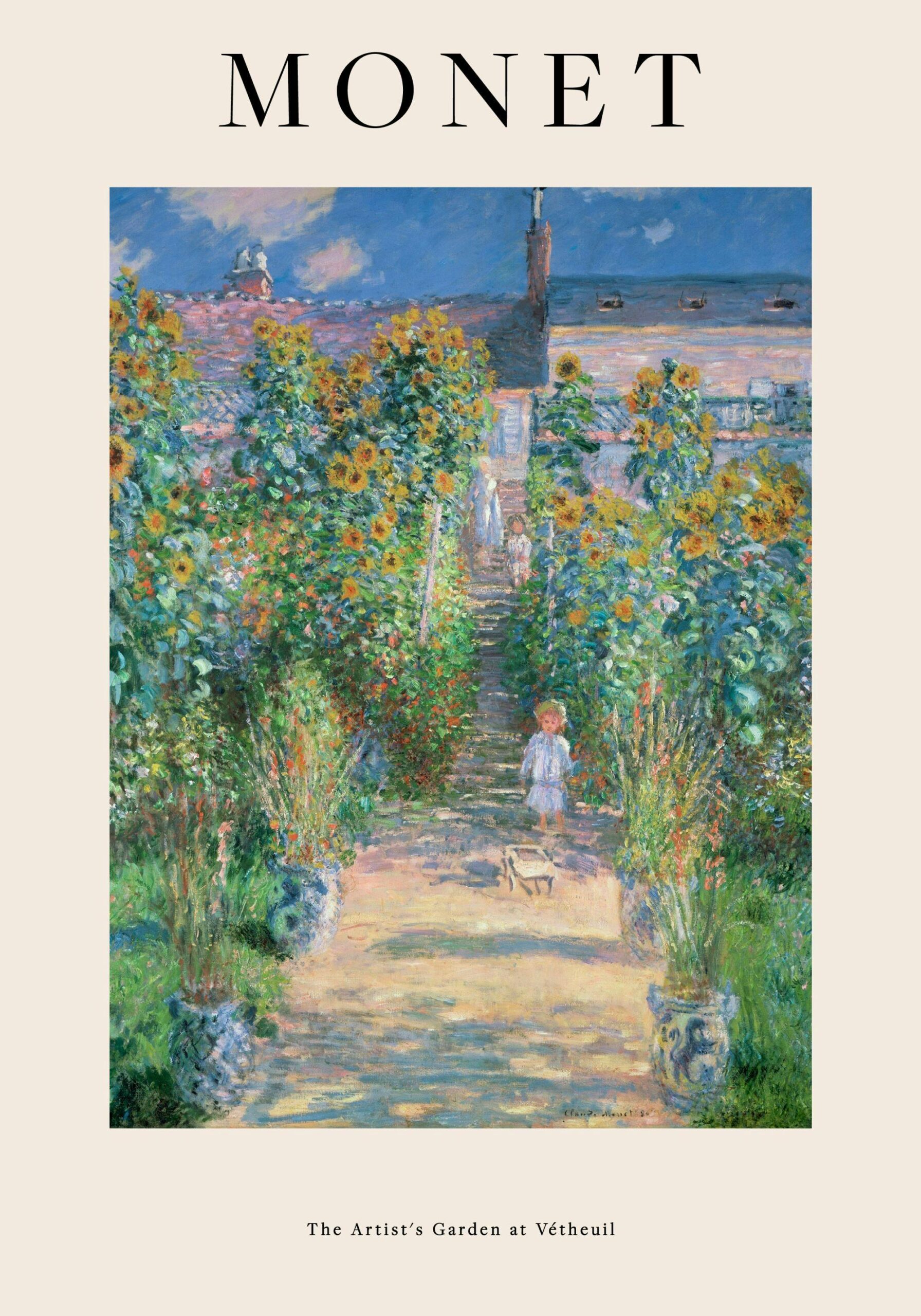
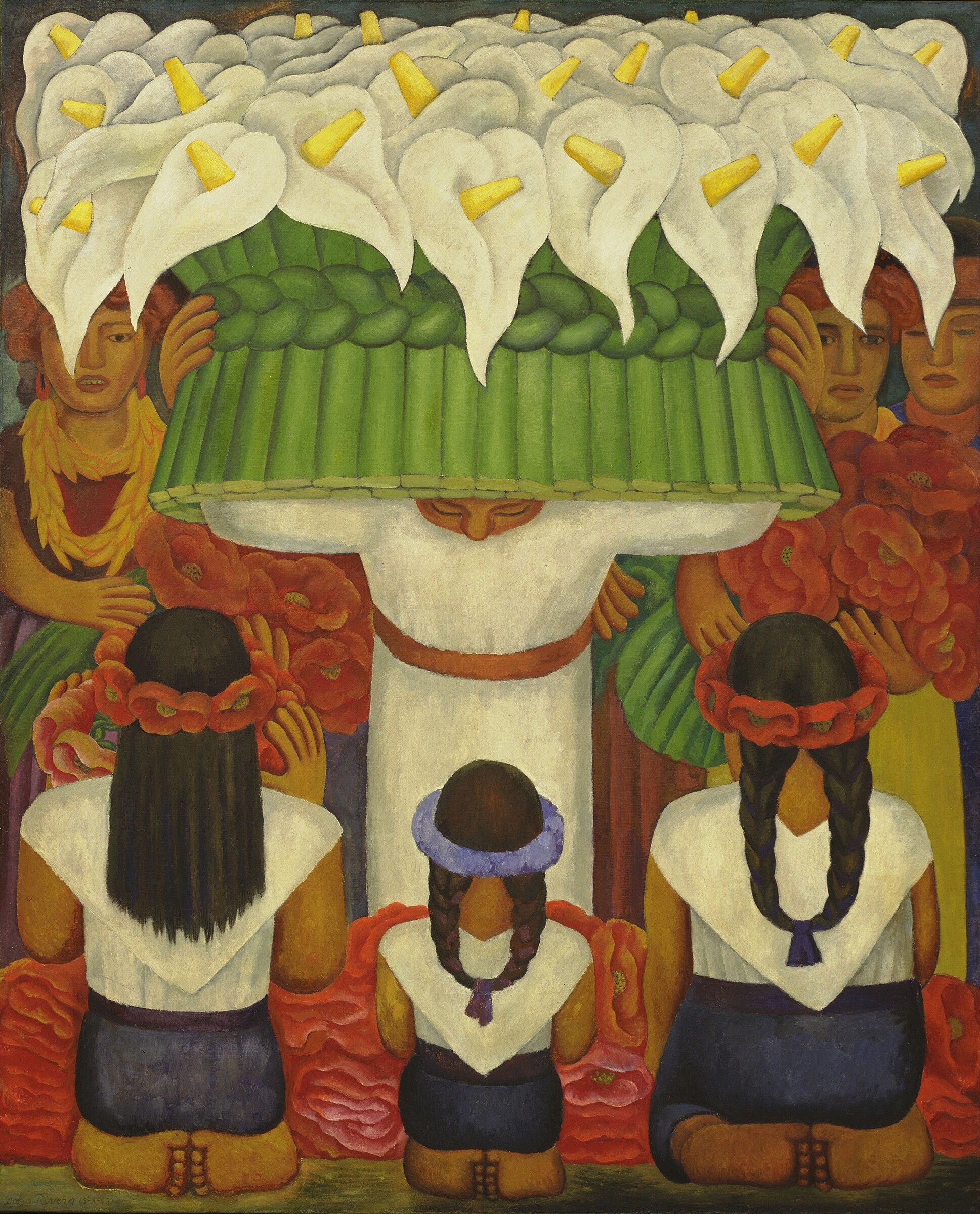
Art galleries offer more than a place to view paintings, photographs and installations. They create opportunities to encounter new ideas, explore different perspectives and spend time with works of art. From independent spaces to major institutions, galleries help bring artists and audiences together.
The role of an art gallery
A gallery can introduce visitors to an artist’s practice and provide context for the works on display. An exhibition might bring together pieces from different periods, focus on a particular theme or invite viewers to consider how materials and techniques shape meaning. Labels, catalogues and conversations with gallery staff can add useful background, while leaving room for visitors to form their own interpretations.
Galleries also support the wider art community. They give artists a platform to share their work, encourage dialogue between creative practitioners and audiences, and help preserve and circulate art. Through exhibitions and events, they can connect local artistic communities with ideas from elsewhere.
Experiencing an exhibition
There is no single correct way to visit a gallery. Some people like to read about an exhibition before arriving; others prefer to approach the works without preparation. Taking time with a piece can reveal details that may not be immediately apparent, while stepping back can help show how it relates to the rest of the exhibition.
Contemporary art can invite questions rather than offer straightforward answers. A work may respond to personal experience, cultural change, memory, place or the natural world. Looking closely and considering what a work brings to mind can make a gallery visit more engaging, even when its meaning is not immediately clear.
Galleries and contemporary practice
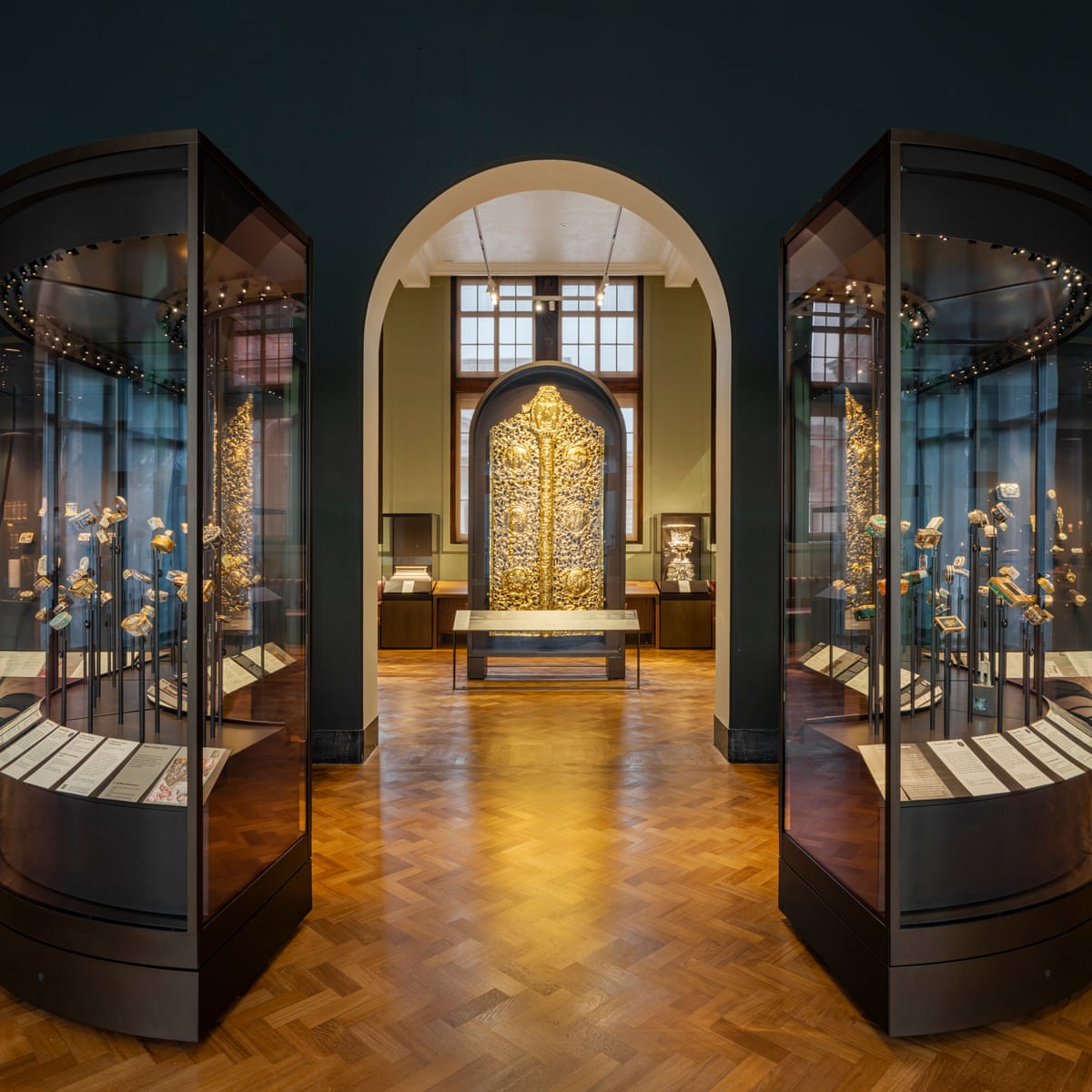
Artists working across painting, photography, sculpture and installation often use galleries to explore how their work is experienced in a particular space. The arrangement of works, the scale of a room and the relationship between objects can all influence how an exhibition feels. In this way, a gallery is not simply a backdrop; it can become part of the experience.
For artists such as Faisal Samra, whose practice spans different forms and approaches, the gallery setting can offer audiences a chance to engage with individual works as well as the ideas that connect them. Each exhibition provides a distinct setting for looking, thinking and discovering.
Finding a gallery to visit
When choosing an exhibition, consider what interests you: a particular artist, medium, subject or way of working. Many galleries publish details of current and upcoming exhibitions online, along with information about opening hours, access and events. Smaller galleries can be rewarding places to discover emerging voices, while larger institutions may offer broader programmes and historical context.
Whether you visit for a few minutes or spend an afternoon exploring, galleries make space for curiosity. They invite people to look carefully, encounter unfamiliar ideas and return to art with fresh perspectives.
9 Tips for Making the Most of Your Gallery Visit
- Check opening hours before you go.
- Look up current exhibitions online.
- Book tickets for popular shows.
- Allow time to explore each room.
- Read the labels for context.
- Ask staff about guided tours.
- Keep a respectful distance from artworks.
- Check the photography rules.
- Visit the gallery shop or café.
Check opening hours before you go.
Check a gallery’s opening hours before you set out, as they can vary by day, season or exhibition. Some galleries close on particular weekdays or have special hours for events, so checking their website or contacting them directly can help you avoid a wasted trip.
Look up current exhibitions online.
Before visiting a gallery, look up its current exhibitions online. You can find out what’s on, check opening hours and plan your visit around the artists or themes that interest you. Many galleries also share details about guided tours, talks and access arrangements, helping you make the most of your time there.
Book tickets for popular shows.
For popular exhibitions, book your tickets in advance to secure your preferred date and time. Busy shows can sell out, particularly at weekends and during holidays, so checking the gallery’s website before your visit can help you avoid disappointment and plan your day with ease.
Allow time to explore each room.
Allow plenty of time to explore each room rather than rushing from one exhibition space to the next. Moving at an unhurried pace gives you a chance to notice details, take in how the artworks relate to one another and pause with pieces that catch your attention.
Read the labels for context.
Read the labels for context: they can tell you who made a work, when it was created and what ideas or materials shaped it. This background can deepen your understanding, while leaving space to form your own response to the artwork.
Ask staff about guided tours.
Ask gallery staff whether guided tours are available during your visit. A knowledgeable guide can share background on the artists and artworks, point out details you might otherwise miss, and offer fresh perspectives on the exhibition. Check tour times when you arrive, as some may need to be booked in advance.
Keep a respectful distance from artworks.
Keep a respectful distance from artworks to help protect them from accidental contact, as even a light touch can cause damage over time. Follow any barriers or floor markings, and take care when moving around other visitors. This gives everyone space to enjoy the work while helping preserve it for future audiences.
Check the photography rules.
Before taking photographs in a gallery, check the photography rules. Some exhibitions prohibit photography to protect artworks or respect artists’ wishes, while others allow photos but restrict flash, tripods or selfie sticks. Look for signs or ask a member of staff, and be mindful of other visitors when taking pictures.
Visit the gallery shop or café.
Make time to visit the gallery shop or café during your trip. The shop may have exhibition catalogues, books and locally made gifts, while the café offers a relaxed spot to pause and reflect on what you’ve seen. Check opening hours, as these can differ from the gallery’s.