Drawing: A Creative Skill for Everyone
Drawing is one of the simplest ways to explore ideas, observe the world and express creativity. With a pencil and a sheet of paper, it is possible to capture a passing impression, plan a design or build a detailed work of art. Drawing can be a relaxing pastime, a practical skill or a lifelong creative pursuit.
What Is Drawing?
Drawing is the practice of making marks to represent objects, people, places or ideas. These marks might be light sketches, confident outlines, areas of shading or abstract patterns. Artists work with many materials, including graphite, charcoal, ink, coloured pencils and pastels. Each offers different ways to create line, texture and tone.
Learning to Observe
Careful observation is at the heart of drawing. Rather than relying only on what an object is expected to look like, artists study its shape, proportions, shadows and relationship to the space around it. Looking closely at these details helps a drawing feel more convincing and gives the artist a better understanding of the subject.
Useful Drawing Techniques
Several basic techniques can help bring a drawing to life:
- Contour drawing: Using lines to describe the edges and outlines of a subject.
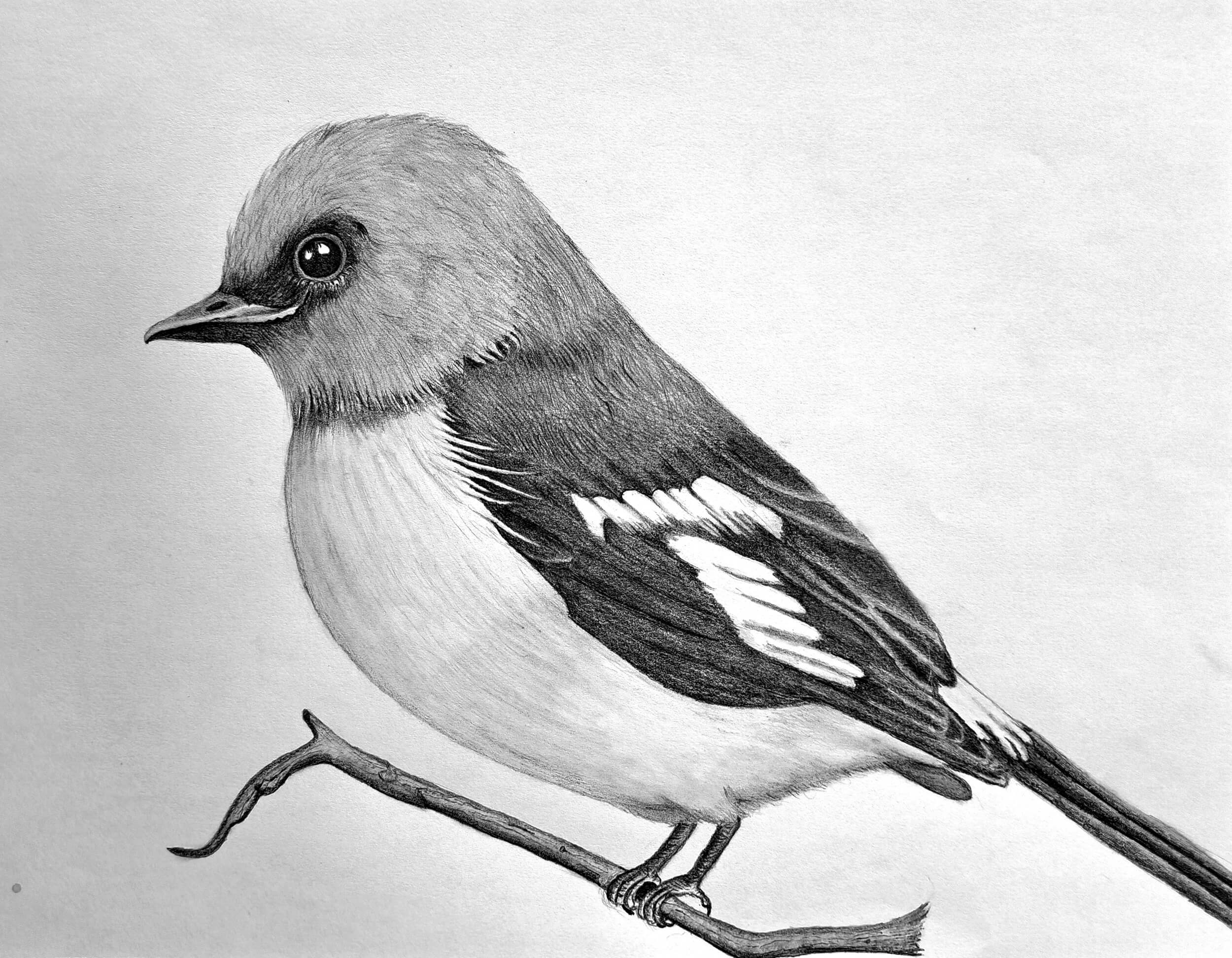
- Shading: Building areas of light and darkness to suggest form and depth.
- Hatching: Making parallel lines to create tone or texture.
- Blending: Softening marks to create gradual transitions between tones.
- Gesture drawing: Making quick, expressive sketches to capture movement and posture.
Getting Started
Beginners do not need expensive equipment. A sketchbook, a few pencils and an eraser are enough to begin. Start with familiar objects, such as a cup, a plant or a pair of shoes. Try drawing for a short time each day, and focus on noticing shapes and proportions rather than creating a perfect result.
It can also help to use a range of pencils. Harder pencils make lighter, finer marks, while softer pencils create darker lines and richer shading. Keeping early sketches allows progress to be seen over time.
The Value of Practice
Drawing improves through regular practice. Mistakes are a natural part of learning and can reveal what to try next. Experimenting with different subjects and materials helps develop confidence, while studying the work of other artists can offer inspiration and fresh approaches.
Whether it is used to record an idea, tell a story or simply enjoy a quiet moment, drawing offers an accessible way to look more closely at the world. All it takes is a willingness to begin and the patience to keep practising.
Drawing FAQs: 8 Common Questions Answered
- What materials do I need to start drawing?
- How can I improve my drawing skills?
- How often should I practise drawing?
- What is the difference between sketching and drawing?
- How do I draw realistic proportions?
- Which pencils are best for drawing?
- How can I add shading and depth to a drawing?
- Is drawing a skill anyone can learn?
What materials do I need to start drawing?
To start drawing, you only need a few basic materials: a sketchbook or sheets of paper, a graphite pencil and an eraser. A couple of pencils in different grades can be useful, as softer pencils make darker marks while harder ones produce lighter lines, but they are not essential at first. As you gain confidence, you can experiment with materials such as charcoal, ink or coloured pencils.
How can I improve my drawing skills?
You can improve your drawing skills by practising regularly, even for a few minutes each day. Draw a range of subjects from observation, paying attention to shape, proportion, light and shadow. Try exercises such as quick gesture sketches and simple still lifes, and experiment with different materials and techniques. Review your work to spot what is improving and what you would like to practise next. Be patient with yourself: progress takes time, and mistakes are a useful part of learning.
How often should I practise drawing?
Practise drawing as often as you can, even if you only have 10–15 minutes a day. Regular, short sessions can help you build confidence and improve your observation and technique more effectively than occasional long sessions. If daily practice doesn’t suit your routine, aim for a few sessions each week and choose subjects you enjoy. The key is consistency, not perfection.
What is the difference between sketching and drawing?
Sketching is usually a quick, loose way to explore an idea or capture the basic shape and movement of a subject. It often uses light, simple marks and may remain unfinished. Drawing is a broader term for creating an image with lines, tones and other marks; it can be spontaneous or carefully planned, and may be developed into a detailed, finished piece. The terms can overlap, as a sketch is also a type of drawing.
How do I draw realistic proportions?
To draw realistic proportions, begin by looking carefully at how the parts of your subject relate to one another. Lightly sketch the overall shapes and compare their height, width and position before adding detail. You can use simple measuring methods, such as checking how many times one part fits into another, or comparing angles and alignment. For a figure, start with the head and use it as a rough unit for measuring the body; for an object, look for its main shapes and the spaces between them. Keep your first marks light so they are easy to adjust, and step back regularly to check the drawing as a whole. With practice, careful observation will help proportions feel more natural and convincing.
Which pencils are best for drawing?
The best pencils for drawing depend on the effect you want to achieve. A small set of graphite pencils ranging from hard grades, such as 2H, to soft grades, such as 6B, is a good choice for beginners: harder pencils make lighter, finer lines, while softer pencils create darker marks and richer shading. An HB pencil is a versatile option for everyday sketching. Choose pencils that feel comfortable to hold, and experiment with different grades to find what suits your style.
How can I add shading and depth to a drawing?
To add shading and depth to a drawing, first decide where the light is coming from, then use lighter tones on areas facing the light and darker tones in shadows. Build shading gradually with light pencil strokes, adding layers until you achieve the contrast you want. Pay attention to cast shadows and subtle changes in tone, as these help show how objects sit in space. Varying line weight and leaving highlights can also make forms appear more three-dimensional.
Is drawing a skill anyone can learn?
Yes, drawing is a skill anyone can learn and improve with practice. Some people may find certain techniques come more naturally, but careful observation, patience and regular drawing are more important than having a so-called natural talent. Start with simple shapes and familiar subjects, and focus on enjoying the process rather than making every picture perfect.