The Art of Bird Painting: Capturing Nature’s Beauty
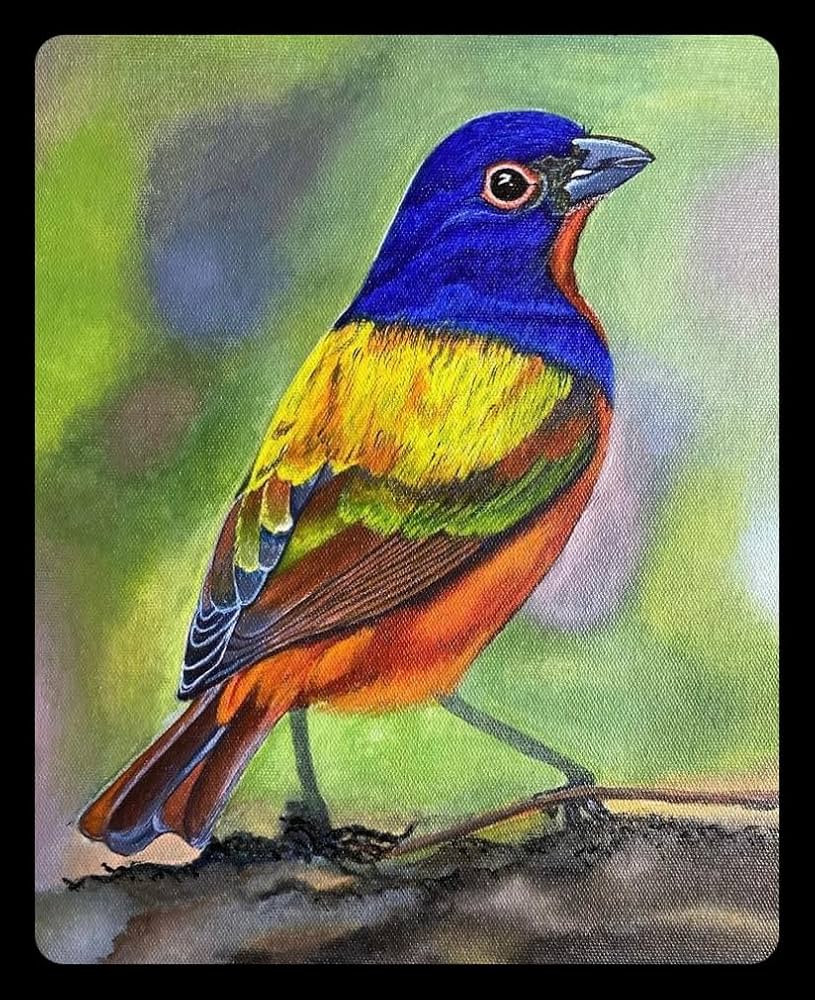
Bird painting is a timeless art form that has captivated artists and art enthusiasts for centuries. From delicate watercolors to bold oil paintings, artists have been inspired by the beauty and grace of birds in their natural habitats. The intricate details of feathers, the vibrant colors of plumage, and the graceful movements of birds in flight provide endless inspiration for painters seeking to capture the essence of these magnificent creatures.
One of the unique challenges of bird painting lies in capturing the intricate details and textures of feathers. Artists must pay close attention to the subtle variations in color, shape, and pattern to create a realistic portrayal of a bird’s plumage. Through careful observation and meticulous brushwork, artists can bring these feathered creatures to life on canvas.
Many renowned artists throughout history have been known for their exquisite bird paintings. John James Audubon, famous for his detailed illustrations of North American birds, set a high standard for realism and accuracy in bird art. His iconic “Birds of America” remains a classic example of the beauty and scientific precision that can be achieved through bird painting.
Contemporary artists continue to explore new techniques and styles in bird painting, pushing the boundaries of traditional art forms. Some artists focus on capturing the dynamic energy of birds in flight, while others emphasize the expressive qualities of bird poses and gestures. Whether realistic or abstract, each bird painting offers a unique perspective on these fascinating creatures.
Through bird painting, artists not only celebrate the beauty of nature but also raise awareness about conservation efforts to protect avian species around the world. By highlighting the diversity and splendor of birds through art, painters play a vital role in promoting environmental stewardship and appreciation for our feathered friends.
Whether you’re an artist looking to explore new subjects or an art lover seeking inspiration, bird painting offers a rich tapestry of colors, shapes, and textures to explore. Dive into the world of avian artistry and experience the wonder and beauty of birds through the eyes of talented painters.
Exploring the Art of Bird Painting: 7 Benefits that Enhance Skill and Foster Environmental Awareness
- Captures the intricate beauty of bird plumage and feathers.
- Offers a unique subject matter that is both visually appealing and inspiring.
- Provides an opportunity to study and appreciate the diversity of bird species.
- Allows artists to practice observational skills and attention to detail.
- Can be a meditative and calming artistic practice, focusing on delicate details.
- Contributes to raising awareness about bird conservation and environmental issues.
- Creates a connection between art enthusiasts and the natural world through avian subjects.
Challenges in Bird Painting: Patience, Complexity, Limited Variety, and Realism
- Requires patience and attention to detail to capture intricate feather textures.
- May be challenging for beginners due to the complexity of bird anatomy and plumage.
- Limited subject matter compared to other genres, which may lead to repetitive compositions.
- Difficulty in conveying realistic movement and behavior of birds, especially in flight.
Captures the intricate beauty of bird plumage and feathers.
Bird painting offers a unique opportunity to capture the intricate beauty of bird plumage and feathers with remarkable detail and precision. Through careful observation and skilled brushwork, artists can recreate the delicate textures, vibrant colors, and intricate patterns of feathers, bringing to life the stunning visual appeal of these avian wonders on canvas. The art of bird painting allows for a closer examination of the fine nuances and intricacies of feathered creatures, highlighting their natural elegance and captivating beauty in a way that resonates with both art lovers and nature enthusiasts alike.
Offers a unique subject matter that is both visually appealing and inspiring.
Bird painting offers a unique subject matter that is both visually appealing and inspiring. The intricate details of feathers, the vibrant colors of plumage, and the graceful movements of birds provide endless inspiration for artists seeking to capture the beauty of these magnificent creatures. The diverse shapes and sizes of birds, along with their expressive poses and gestures, offer a rich tapestry of visual elements to explore on canvas. Through bird painting, artists can immerse themselves in the natural world and convey the wonder and majesty of avian life through their art, captivating viewers with the beauty and grace of these feathered subjects.
Provides an opportunity to study and appreciate the diversity of bird species.
Bird painting provides a unique opportunity for artists and viewers alike to study and appreciate the rich diversity of bird species. Through the meticulous observation required to capture the intricate details of feathers, colors, and forms, artists deepen their understanding of different bird species and their unique characteristics. This process not only enhances artistic skills but also fosters a deeper appreciation for the natural world and the vast array of avian life that inhabits it. By showcasing the beauty and variety of bird species through art, bird painting serves as a powerful tool for raising awareness about conservation efforts and promoting a greater respect for the diverse ecosystems that birds inhabit.
Allows artists to practice observational skills and attention to detail.
Bird painting offers artists a valuable opportunity to hone their observational skills and attention to detail. By closely studying the intricate patterns, textures, and colors of bird plumage, artists develop a keen eye for capturing the nuances of nature with precision and accuracy. The process of observing birds in their natural habitats and translating those observations onto canvas or paper requires patience, focus, and a deep appreciation for the beauty of the natural world. Through bird painting, artists not only enhance their technical abilities but also cultivate a deeper connection to the environment and its diverse avian inhabitants.
Can be a meditative and calming artistic practice, focusing on delicate details.
Engaging in bird painting can serve as a meditative and calming artistic practice, allowing artists to immerse themselves in the intricate details of feathers and plumage. Focusing on capturing the delicate nuances of bird anatomy not only hones artistic skills but also promotes mindfulness and concentration. The repetitive nature of observing and painting fine details can create a sense of tranquility and inner peace, making bird painting a therapeutic outlet for creative expression and relaxation.
Contributes to raising awareness about bird conservation and environmental issues.
Bird painting serves as a powerful tool in raising awareness about bird conservation and environmental issues. Through intricate brushwork and vivid depictions of avian species, artists convey the beauty and importance of birds in our ecosystem. By showcasing the diversity and fragility of bird populations through art, painters inspire viewers to appreciate and protect these magnificent creatures. Bird paintings not only capture the essence of nature’s beauty but also serve as a poignant reminder of the urgent need to preserve habitats and promote sustainable practices to ensure the survival of birds for future generations.
Creates a connection between art enthusiasts and the natural world through avian subjects.
Bird painting serves as a powerful bridge between art enthusiasts and the natural world by using avian subjects to establish a deep connection. Through the intricate portrayal of birds in their natural habitats, artists evoke a sense of wonder and appreciation for the beauty of nature. By capturing the essence of these magnificent creatures on canvas, bird paintings not only showcase artistic skill but also inspire viewers to develop a greater understanding and respect for the diverse avian species that inhabit our world. This connection forged through art helps foster a sense of harmony between humanity and the natural world, highlighting the importance of conservation and environmental stewardship.
Requires patience and attention to detail to capture intricate feather textures.
Capturing the intricate feather textures in bird painting presents a significant challenge that demands a high level of patience and attention to detail from artists. Each feather carries its own unique pattern, color variations, and texture, requiring meticulous observation and precise brushwork to accurately depict these delicate features on canvas. Artists must invest time and effort into studying the subtle nuances of feathers to ensure a realistic portrayal that captures the essence of the bird’s plumage. This painstaking process not only tests the artist’s technical skills but also demands a deep appreciation for the beauty and complexity of nature’s creations.
May be challenging for beginners due to the complexity of bird anatomy and plumage.
Mastering the art of bird painting can be a daunting task for beginners, primarily due to the intricate complexity of bird anatomy and plumage. The detailed structure of feathers, varying shapes of beaks, and unique body proportions of different bird species present a significant challenge for novice artists. Achieving a realistic portrayal of birds requires a keen eye for detail and a deep understanding of avian anatomy, making it a demanding endeavor for those new to the art form. However, with dedication, practice, and guidance from experienced artists, beginners can gradually overcome these challenges and develop their skills in capturing the beauty of birds on canvas.
Limited subject matter compared to other genres, which may lead to repetitive compositions.
Bird painting, while a captivating art form, faces the con of limited subject matter compared to other genres. This constraint can potentially result in artists creating repetitive compositions as they explore the intricate details of feathers and the graceful movements of birds. The challenge lies in finding new ways to depict these avian creatures while maintaining a sense of originality and creativity. Despite this limitation, artists continue to push boundaries and experiment with different styles and techniques to breathe fresh life into their bird paintings, offering viewers unique perspectives on nature’s winged wonders.
Difficulty in conveying realistic movement and behavior of birds, especially in flight.
Capturing the realistic movement and behavior of birds, particularly in flight, poses a significant challenge for bird painters. The dynamic nature of birds in motion requires artists to carefully study and understand the intricate details of wing positions, body posture, and aerial maneuvers to convey a sense of lifelike movement on canvas. Achieving a balance between accuracy and artistic interpretation while depicting the grace and agility of birds in flight demands a high level of skill and observation from painters. Despite this con, mastering the portrayal of realistic bird movement adds depth and authenticity to bird paintings, enhancing the overall beauty and impact of the artwork.