The Beauty of Van Gogh’s Almond Blossom
Vincent van Gogh, a Dutch post-impressionist painter, is renowned for his expressive and colorful artworks that continue to captivate art enthusiasts worldwide. Among his many masterpieces, “Almond Blossom” stands out as a symbol of beauty, hope, and renewal.
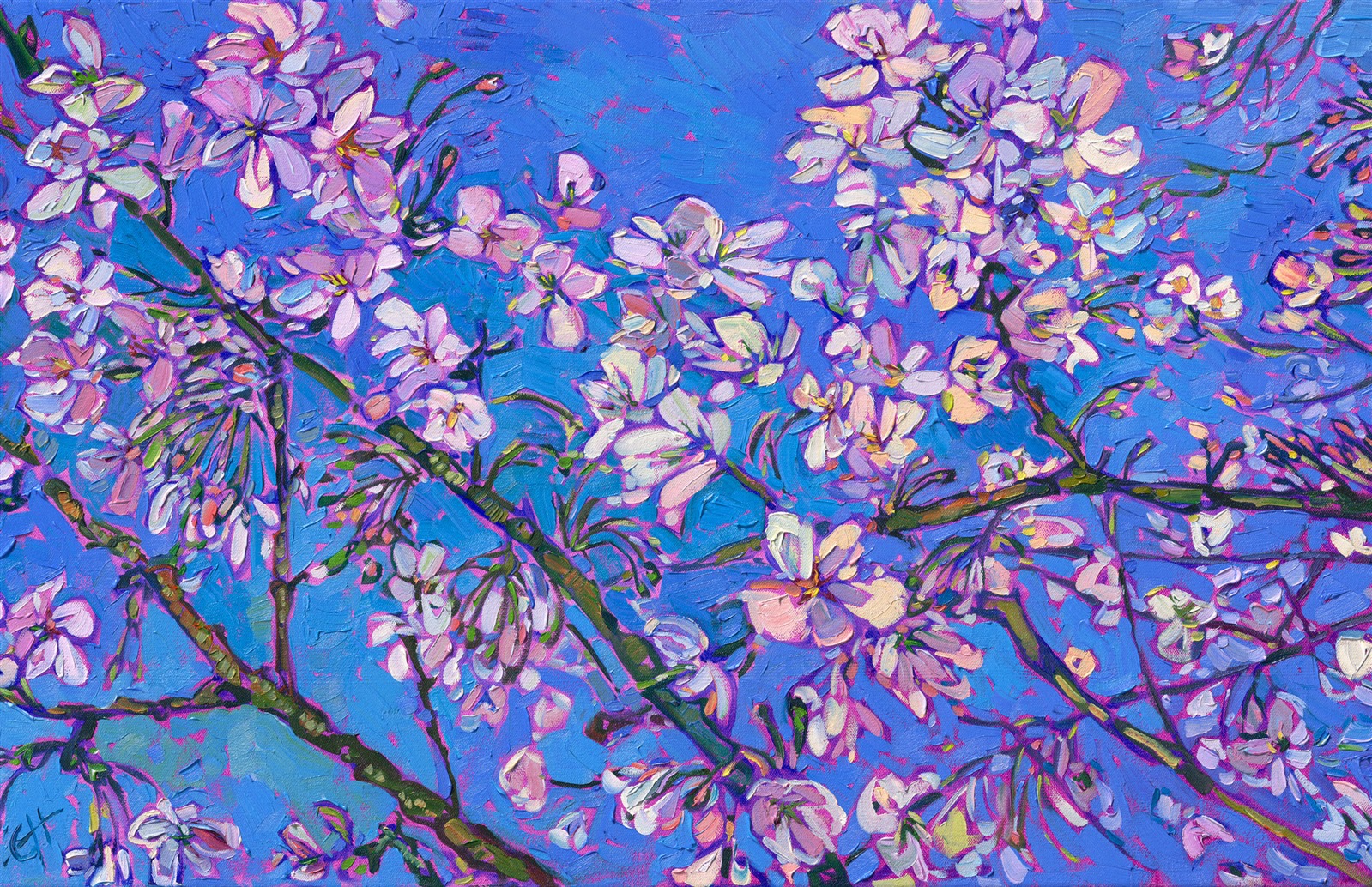
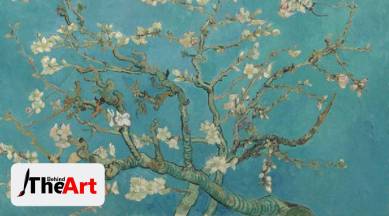
Painted in 1890 as a gift for his newborn nephew, the painting features delicate almond blossoms against a vibrant blue sky. The contrast between the soft white flowers and the bold blue background creates a sense of harmony and tranquility. Van Gogh’s distinctive brushstrokes add depth and movement to the composition, capturing the essence of spring in full bloom.
Almond blossoms hold special significance in art and culture, symbolizing new beginnings, resilience, and the fleeting nature of life. Van Gogh’s interpretation of these blossoms reflects his own inner struggles and quest for beauty amidst adversity.
Through “Almond Blossom,” Van Gogh invites viewers to immerse themselves in the beauty of nature and find solace in its ephemeral moments. The painting serves as a reminder of the enduring power of art to uplift the spirit and inspire hope.
Van Gogh’s “Almond Blossom” continues to inspire artists and art lovers alike, serving as a timeless testament to the artist’s passion for capturing the essence of life through his unique artistic vision.
Exploring the Beauty and Significance of Van Gogh’s ‘Almond Blossom’: 7 Insightful Tips
- Vincent van Gogh painted Almond Blossom in 1890 as a gift for his newborn nephew.
- The painting features vibrant colors and expressive brushstrokes typical of Van Gogh’s style.
- Almond Blossom is a symbol of new life, hope, and rebirth in many cultures.
- Van Gogh was inspired by Japanese woodblock prints when creating Almond Blossom.
- The painting showcases Van Gogh’s fascination with nature and the beauty of simple things.
- Almond Blossom is one of Van Gogh’s most famous works and is celebrated for its emotional depth.
- The artwork is now housed in the Van Gogh Museum in Amsterdam, where it continues to inspire art lovers worldwide.
Vincent van Gogh painted Almond Blossom in 1890 as a gift for his newborn nephew.
Vincent van Gogh’s creation of “Almond Blossom” in 1890 as a heartfelt gift for his newborn nephew reflects not only his artistic talent but also his deep emotional connection to his family. The painting, with its delicate depiction of almond blossoms against a vibrant blue sky, symbolizes the joy and hope associated with new beginnings. Van Gogh’s decision to dedicate this artwork to his nephew demonstrates his desire to share the beauty of nature and the promise of life with the next generation, highlighting the timeless themes of love, renewal, and interconnectedness that resonate throughout his body of work.
The painting features vibrant colors and expressive brushstrokes typical of Van Gogh’s style.
The painting of Van Gogh’s Almond Blossom showcases vibrant colors and expressive brushstrokes that are characteristic of the artist’s unique style. Through bold and dynamic use of color, Van Gogh brings the delicate almond blossoms to life, infusing the scene with a sense of energy and emotion. His distinctive brushwork adds a layer of texture and movement to the composition, creating a visual experience that is both captivating and immersive. Van Gogh’s mastery of color and technique shines through in this masterpiece, reflecting his unparalleled ability to convey depth and emotion through his art.
Almond Blossom is a symbol of new life, hope, and rebirth in many cultures.
Almond Blossom holds a profound symbolic meaning across various cultures, representing themes of new life, hope, and rebirth. This delicate flower serves as a powerful metaphor for the cycle of life and the promise of renewal. In many traditions, the Almond Blossom is associated with the arrival of spring, signaling the end of winter’s dormancy and the beginning of a new season filled with growth and vitality. Its presence in Vincent van Gogh’s masterpiece “Almond Blossom” not only enhances the aesthetic beauty of the painting but also infuses it with a universal message of optimism and resilience that transcends cultural boundaries.
Van Gogh was inspired by Japanese woodblock prints when creating Almond Blossom.
Vincent van Gogh drew inspiration from Japanese woodblock prints while working on his masterpiece, Almond Blossom. The influence of Japanese art can be seen in the composition, color palette, and stylized depiction of nature in the painting. By incorporating elements of Japanese aesthetics into his own unique style, Van Gogh was able to infuse Almond Blossom with a sense of harmony and tranquility that resonates with viewers to this day.
The painting showcases Van Gogh’s fascination with nature and the beauty of simple things.
Van Gogh’s “Almond Blossom” is a testament to the artist’s deep admiration for nature and his ability to find beauty in the simplest of things. Through this painting, Van Gogh captures the essence of nature’s delicate beauty, emphasizing the significance of everyday moments and the intrinsic charm of natural elements. The blossoming almond branches depicted in the artwork symbolize Van Gogh’s profound connection with the natural world, highlighting his fascination with the purity and grace found in even the most ordinary aspects of life.
Almond Blossom is one of Van Gogh’s most famous works and is celebrated for its emotional depth.
Almond Blossom by Van Gogh is revered as one of the artist’s most iconic masterpieces, renowned for its profound emotional depth and artistic brilliance. The painting’s serene depiction of delicate almond blossoms against a vivid blue sky evokes a sense of tranquility and introspection. Van Gogh’s expressive brushwork and vibrant color palette infuse the artwork with a poignant intensity that resonates with viewers on a deeply emotional level. Through Almond Blossom, Van Gogh invites us to immerse ourselves in the beauty of nature and experience the profound emotions that art can evoke, making it a timeless symbol of artistic excellence and emotional resonance.
The artwork is now housed in the Van Gogh Museum in Amsterdam, where it continues to inspire art lovers worldwide.
The iconic artwork “Almond Blossom” by Vincent van Gogh is now proudly displayed at the Van Gogh Museum in Amsterdam, serving as a beacon of inspiration for art enthusiasts from around the globe. Its presence in the museum allows visitors to immerse themselves in the beauty and significance of Van Gogh’s masterpiece, experiencing firsthand the artist’s profound connection to nature and his unparalleled ability to translate emotions onto canvas. As one of the museum’s most cherished treasures, “Almond Blossom” continues to captivate audiences with its timeless allure and enduring message of hope and renewal.