Journey: The Path That Shapes Us
A journey is more than the distance between one place and another. It is a process of change: a series of encounters, decisions and discoveries that gradually alters how we see the world and our place within it. Some journeys take us across countries and cultures; others unfold quietly through memory, reflection and creative work.
More Than a Destination
It is tempting to measure a journey by its endpoint. Yet the moments along the way often matter just as much: the unfamiliar landscape, the unexpected conversation or the challenge that asks us to reconsider our direction. These experiences can shape our understanding long after the journey itself has ended.
In art, this idea is especially powerful. A work can hold traces of different places, experiences and ways of seeing. The process of making it becomes a journey in its own right, moving from an initial thought towards an image, object or installation that may take on a life of its own.
The Creative Journey
Creative practice rarely follows a straight line. It involves experimentation, uncertainty and change. An artist may begin with a clear intention, only to find that new materials or ideas lead somewhere unexpected. That willingness to explore can reveal possibilities that a fixed plan might have overlooked.
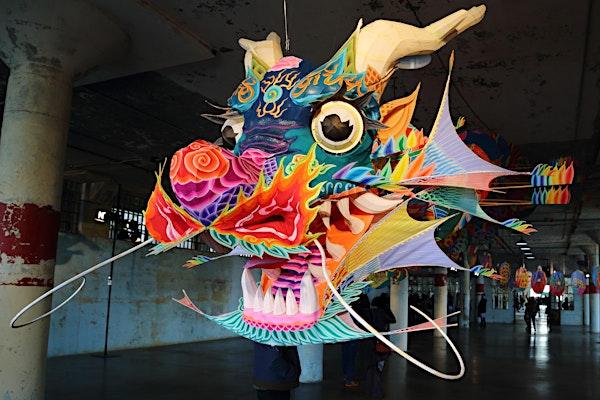
For Faisal Samra, the idea of journey offers a way to think about how art can engage with experience, identity and the world around us. Rather than presenting a single, settled answer, an artwork can invite viewers to bring their own memories and perspectives to what they see. Each encounter becomes a different route through the work.
A Journey Shared
Although every journey is personal, it can also connect us with others. Art creates space for that connection. A viewer may recognise something familiar in a work, or discover a perspective they had not considered before. In this way, the artist’s exploration continues through the responses and interpretations of an audience.
To journey is to remain open to change. It is to pay attention to what happens along the way and to accept that the destination may not be what we first imagined. In life and in art, the path itself can be the most meaningful part.
Journey FAQs: Planning, Packing, Comfort and Sustainable Travel
- What is the difference between a journey and a trip?
- How do I plan a journey?
- What should I pack for a journey?
- How can I make a long journey more comfortable?
- How can I find the best route for my journey?
- What should I do if my journey is delayed or disrupted?
- How can I make my journey more sustainable?
What is the difference between a journey and a trip?
A trip usually refers to a specific visit or excursion, often with a clear destination and timeframe, such as a weekend away or a business visit. A journey can mean the act of travelling from one place to another, but it also suggests a longer or more meaningful process of change and discovery. In short, a trip is often a single outing, while a journey may describe both the route and the experiences that shape us along the way.
How do I plan a journey?
To plan a journey, start by choosing your destination, dates and budget, then research transport, accommodation and any entry requirements. Map out the places you’d like to visit, allowing enough time for travel, meals and rest, and book essential arrangements in advance. Check the weather and local information before you leave, and keep important documents and booking details somewhere easy to access. A flexible plan can help you make the most of your journey while leaving room for unexpected discoveries.
What should I pack for a journey?
What you pack depends on your destination, the length of your journey and the activities you have planned. Start with essentials such as travel documents, tickets, money, medication and a phone charger, then choose comfortable clothing suited to the weather. A reusable water bottle, toiletries and a small first-aid kit can also be useful. Check your luggage allowance before you leave, and pack only what you need so your bags are easy to carry.
How can I make a long journey more comfortable?
To make a long journey more comfortable, wear loose, breathable clothing and bring layers in case the temperature changes. Pack water, light snacks, any essential medicines and a few items to help pass the time, such as a book or headphones. If you’re travelling by car, plan regular breaks to stretch and rest; on a train or plane, move around when it’s safe to do so. A travel pillow and eye mask can also help you relax, while checking your route and packing the night before can make the start of your journey less stressful.
How can I find the best route for my journey?
To find the best route for your journey, start by checking a reliable map or journey-planning app for travel times, traffic, public transport options and any roadworks or delays. Consider what matters most to you, such as the quickest arrival, fewer changes, lower cost or a more scenic route. Check the details shortly before you leave, as conditions can change, and allow extra time for unexpected delays.
What should I do if my journey is delayed or disrupted?
If your journey is delayed or disrupted, check the latest updates from your transport operator and follow any instructions from staff. Contact the operator or booking provider to ask about alternative travel arrangements, refunds or assistance, and keep your tickets and receipts for any additional expenses. Your entitlements depend on the type of transport, the cause of the disruption and where you are travelling, so check the operator’s terms and applicable passenger-rights guidance. If you feel unsafe or need urgent help, speak to staff or contact the relevant emergency services.
How can I make my journey more sustainable?
To make your journey more sustainable, consider travelling by train, bus, bicycle or on foot where practical, and choose direct routes to reduce emissions. Pack light, bring a reusable water bottle and bags, and support locally owned accommodation, restaurants and businesses. Respect local customs and natural environments, avoid disturbing wildlife, and reduce waste by reusing and recycling where possible. Small, thoughtful choices can help lessen your impact while making your journey more rewarding.