Tracey Emin: Art, Memory and Self-Expression
Tracey Emin is one of Britain’s best-known contemporary artists. Born in Croydon in 1963 and raised in Margate, she has built a distinctive body of work from personal memories, relationships and experiences. Her art can be intimate and direct, often inviting audiences to consider how private life becomes public expression.
A distinctive voice
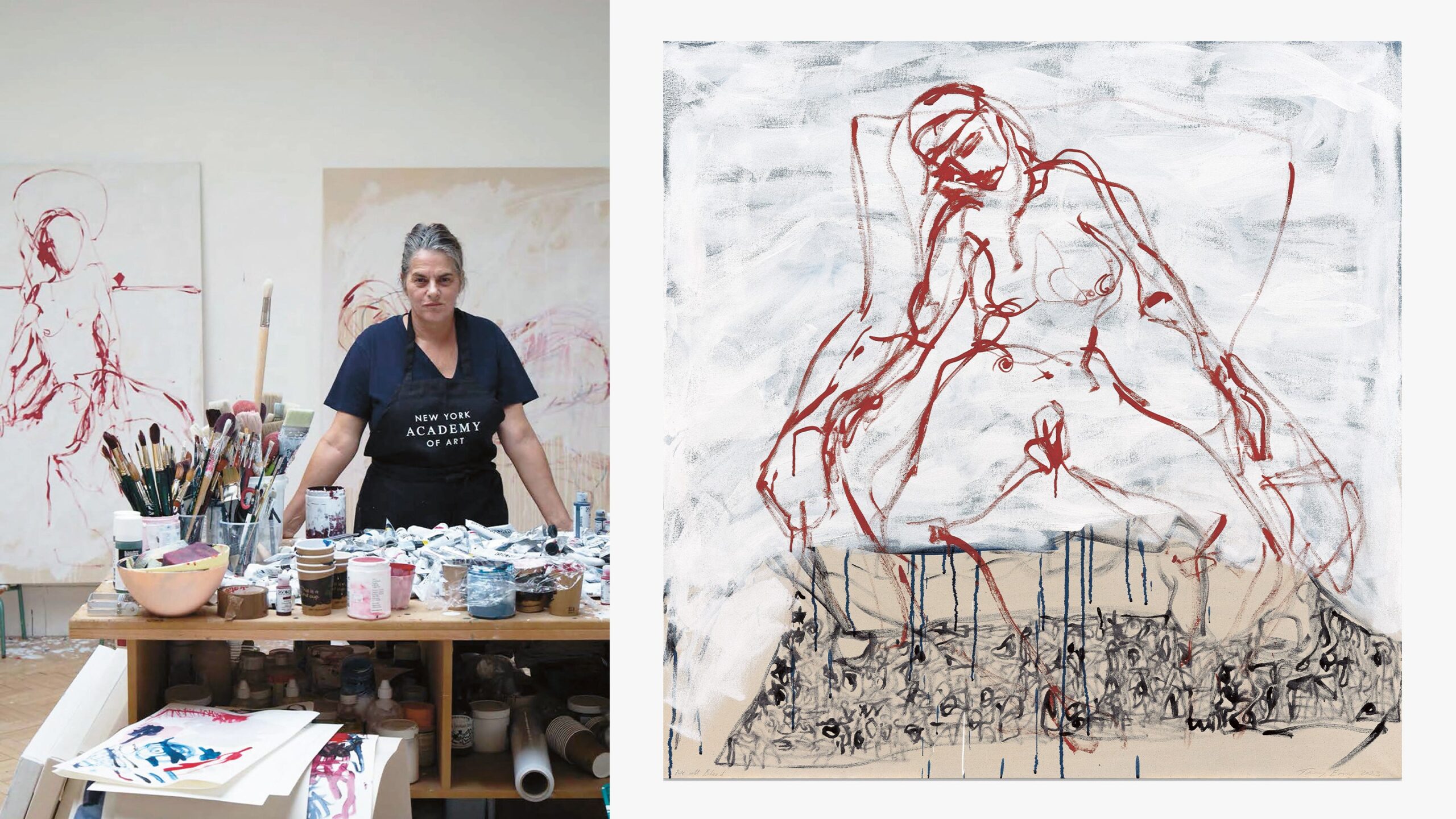
Emin came to prominence in the 1990s as part of the group of British artists often known as the Young British Artists. She works across a wide range of forms, including drawing, painting, sculpture, photography, film, textiles and neon. Rather than settle into one medium, she chooses the materials best suited to each subject.
Many of her works draw on autobiography. Handwritten words, stitched fabric and stark visual imagery give them an immediate, personal quality. Emin’s approach has helped broaden ideas about what can be considered art, while raising questions about privacy, vulnerability and the stories people tell about themselves.
My Bed and public debate
One of Emin’s most widely discussed works is My Bed (1998), an installation of her unmade bed surrounded by objects from her room. The work brought an everyday, highly personal space into the gallery. It divided opinion, with some viewers questioning whether it should be considered art and others praising its honesty and emotional force.
That debate became a defining feature of Emin’s public profile. Her work does not always offer a comfortable distance between artist and audience; instead, it can make viewers confront subjects usually kept private. The reactions to My Bed also reflect a broader discussion about the role of personal experience in contemporary art.
Beyond the autobiographical
Although Emin is strongly associated with autobiographical work, her practice extends beyond personal storytelling. Her later work includes large-scale sculpture, painting and public commissions. The body, love, loss and mortality remain recurring themes, explored through changing styles and materials.
Margate has continued to play an important role in Emin’s life and work. She has spoken about her connection to the town and supported opportunities for artists there, including through the TKE Studios project, which provides studio space and support for artists.
Recognition and influence
Emin’s work has been exhibited internationally and is held in major public and private collections. She was shortlisted for the Turner Prize in 1999 and was appointed a Dame Commander of the Order of the British Empire in 2024 for services to art.
Her influence lies not only in her choice of subject matter, but also in her insistence that emotion and lived experience can be serious artistic material. Whether admired, challenged or debated, Tracey Emin’s work has secured a prominent place in contemporary art—and continues to encourage conversation about honesty, identity and the boundaries between life and art.
Tracey Emin: Six Things to Know About Her Life and Art
- Tracey Emin is a British artist, born in 1963.
- She is known for art inspired by her own life.
- Her work spans painting, sculpture, textiles and film.
- My Bed is one of her best-known works.
- She was part of the Young British Artists movement.
- Look for themes of love, memory and vulnerability in her art.
Tracey Emin is a British artist, born in 1963.
Tracey Emin is a British artist born in 1963, known for a candid, deeply personal approach to art. Working across mediums such as drawing, painting, sculpture, textiles and neon, she often explores memory, identity, love and loss through works inspired by her own experiences. Her willingness to bring private emotions into public view has made her one of the most distinctive and widely discussed figures in contemporary British art.
She is known for art inspired by her own life.
Tracey Emin is known for creating art inspired by her own life and experiences. She often explores personal memories, relationships and emotions through a range of forms, including painting, sculpture, textiles and neon. This autobiographical approach gives her work an intimate quality and invites audiences to reflect on the connections between private experience and universal themes.
Her work spans painting, sculpture, textiles and film.
Tracey Emin works across a range of media, including painting, sculpture, textiles and film. Moving between these forms allows her to explore personal experiences and emotions in different ways, while giving each work its own distinctive character.
My Bed is one of her best-known works.
Tracey Emin’s My Bed is one of her best-known works. Created in 1998, the installation recreates her unmade bed and the surrounding objects, turning an intensely personal space into a work of art. Its candid presentation of everyday life sparked debate about what art can be, while inviting viewers to reflect on vulnerability, intimacy and the stories we leave behind.
She was part of the Young British Artists movement.
Tracey Emin was part of the Young British Artists (YBAs), a group of artists who came to prominence in Britain in the late 1980s and 1990s. Known for their experimental approach and willingness to challenge conventional ideas about art, the YBAs helped bring contemporary art to a wider audience. Emin developed a distinctive voice within the movement, drawing on personal experiences and using a range of forms, including installation, textiles, film and neon.
Look for themes of love, memory and vulnerability in her art.
When exploring Tracey Emin’s art, look for recurring themes of love, memory and vulnerability. Personal experiences often sit at the heart of her work, expressed through intimate imagery, handwritten words and familiar materials. These details can reveal how she reflects on relationships, loss and the lasting impressions of the past, inviting viewers to connect her stories with their own.