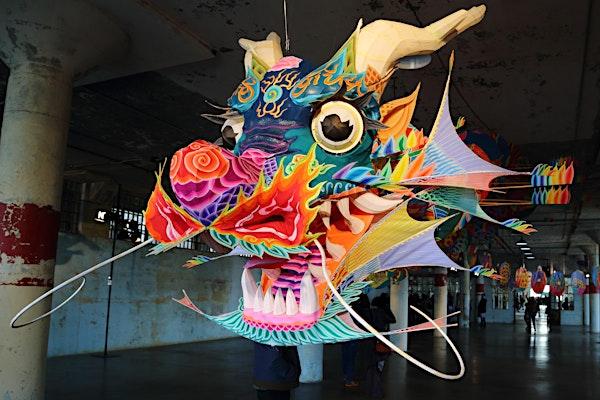
The Evolution of Contemporary Chinese Art
Contemporary Chinese art has undergone a remarkable transformation in recent decades, reflecting the complex interplay between tradition and modernity, East and West. From the Cultural Revolution to the present day, Chinese artists have navigated through political upheavals and cultural shifts to redefine the artistic landscape.
Influence of Tradition
Rooted in a rich cultural heritage that spans thousands of years, contemporary Chinese art often draws inspiration from traditional Chinese painting, calligraphy, and philosophy. Artists like Zhang Xiaogang and Xu Bing blend traditional techniques with modern concepts to create artworks that resonate with both local and global audiences.
Social Commentary and Critique
Many contemporary Chinese artists use their work as a platform to address social issues, political tensions, and cultural identity. Through mediums such as painting, sculpture, performance art, and new media, artists like Ai Weiwei and Cai Guo-Qiang challenge conventions and provoke thought on topics ranging from censorship to environmental degradation.
Global Recognition
The rise of contemporary Chinese art on the international stage has been meteoric, with artists from China gaining recognition at major art events like the Venice Biennale and Documenta. Institutions such as the Ullens Center for Contemporary Art in Beijing have played a pivotal role in promoting Chinese artists on a global scale, fostering dialogue between Eastern and Western artistic traditions.
Diversity of Expression
Contemporary Chinese art is characterized by its diversity of expression, encompassing a wide range of styles, themes, and techniques. From abstract paintings to avant-garde installations, artists continue to push boundaries and experiment with new forms of artistic expression that reflect the complexities of modern China.
Looking Towards the Future
As China continues its rapid economic development and cultural evolution, contemporary Chinese art is poised to play an increasingly influential role in shaping global artistic discourse. With a new generation of innovative artists emerging onto the scene, the future promises exciting possibilities for the continued growth and evolution of contemporary Chinese art.
Exploring the Global Impact and Cultural Fusion of Contemporary Chinese Art
- Reflects a unique blend of traditional Chinese aesthetics and modern artistic techniques.
- Addresses important social, political, and cultural issues within China and on a global scale.
- Showcases a diverse range of artistic expressions, from traditional painting to cutting-edge installations.
- Gains international recognition and exposure at prestigious art events and institutions worldwide.
- Provides insight into the evolving cultural landscape of China in the context of globalization.
- Offers opportunities for cross-cultural dialogue and exchange between Eastern and Western artistic traditions.
Challenges in Contemporary Chinese Art: Censorship, Commercialization, Cultural Appropriation, and Diversity Issues
Reflects a unique blend of traditional Chinese aesthetics and modern artistic techniques.
Contemporary Chinese art showcases a distinctive pro by seamlessly integrating traditional Chinese aesthetics with modern artistic techniques. This fusion creates a captivating visual language that pays homage to China’s rich cultural heritage while embracing innovative approaches to art-making. Artists skillfully blend ancient themes, symbols, and techniques with contemporary concepts, resulting in artworks that are both rooted in tradition and forward-thinking. This unique blend not only showcases the depth of Chinese artistic traditions but also highlights the adaptability and creativity of artists in responding to the complexities of the modern world.
Addresses important social, political, and cultural issues within China and on a global scale.
Contemporary Chinese art serves as a powerful platform for addressing crucial social, political, and cultural issues within China and on a global scale. Through thought-provoking artworks, Chinese artists shed light on pressing societal challenges, political tensions, and cultural complexities, sparking meaningful conversations and reflections. By engaging with these issues through various artistic mediums, contemporary Chinese art not only amplifies voices within China but also resonates with audiences worldwide, fostering cross-cultural dialogue and understanding.
Showcases a diverse range of artistic expressions, from traditional painting to cutting-edge installations.
Contemporary Chinese art showcases a diverse range of artistic expressions, seamlessly blending traditional painting techniques with cutting-edge installations and innovative approaches. Artists in China have embraced a wide spectrum of styles and mediums, from classical ink paintings to experimental multimedia creations, reflecting the dynamic evolution of artistic practices in the country. This diversity allows for a rich tapestry of creativity that captures the essence of both tradition and modernity, making contemporary Chinese art a vibrant and constantly evolving cultural phenomenon on the global stage.
Gains international recognition and exposure at prestigious art events and institutions worldwide.
Contemporary Chinese art has garnered significant international recognition and exposure, with artists from China showcasing their works at prestigious art events and institutions around the world. Through participation in renowned exhibitions like the Venice Biennale and collaborations with leading global art institutions, Chinese artists have been able to share their unique perspectives and artistic visions on a truly global stage. This increased visibility not only elevates the status of contemporary Chinese art but also fosters cultural exchange and dialogue between East and West, enriching the global artistic landscape.
Provides insight into the evolving cultural landscape of China in the context of globalization.
Contemporary Chinese art offers a unique perspective into the evolving cultural landscape of China within the context of globalization. Through their artworks, Chinese artists provide a lens through which viewers can explore the intersections of traditional values, modern influences, and global trends shaping Chinese society. By blending elements of heritage with contemporary themes, these artists offer valuable insights into how China is navigating its cultural identity in an increasingly interconnected world. This dynamic fusion of tradition and innovation in contemporary Chinese art reflects the complexities and transformations occurring within Chinese culture as it adapts to the forces of globalization.
Offers opportunities for cross-cultural dialogue and exchange between Eastern and Western artistic traditions.
Contemporary Chinese art offers valuable opportunities for cross-cultural dialogue and exchange between Eastern and Western artistic traditions. Through the fusion of traditional Chinese techniques and modern Western influences, artists are able to create works that bridge cultural divides and foster a deeper understanding between different artistic practices. This exchange not only enriches the global art scene but also encourages mutual respect and appreciation for the diversity of artistic expression across cultures.
Criticism of censorship
Criticism of censorship is a significant con facing contemporary Chinese art. Many artists in China struggle to freely express their views and ideas due to stringent government censorship policies. This restriction hampers the artists’ ability to explore certain themes or address sensitive topics openly, ultimately constraining the depth and breadth of their artistic expression. The fear of repercussions for pushing boundaries or challenging the status quo can stifle creativity and limit the potential impact of their work on society. Despite these challenges, some artists navigate this complex landscape with subtlety and symbolism, finding ways to convey their messages indirectly while still grappling with the limitations imposed by censorship.
Commercialization
The con of commercialization in contemporary Chinese art is a pressing issue as the increasing demand for these artworks in the global market raises concerns about the potential commodification of artistic creativity. As artists strive to meet market demands and cater to collectors, there is a risk of compromising artistic integrity and originality in favor of commercial success. The pressure to produce art that sells can stifle innovation and experimentation, ultimately impacting the authenticity and depth of contemporary Chinese art.
Cultural appropriation
In the realm of contemporary Chinese art, a notable con that has sparked controversy is the issue of cultural appropriation. At times, artists have been criticized for incorporating cultural symbols or traditions without adequate context or sensitivity, raising concerns about authenticity and respectful representation. This phenomenon has ignited debates within the artistic community and beyond, highlighting the importance of ethical considerations and cultural understanding in the creation and interpretation of art.
Lack of diversity
Critics of contemporary Chinese art point to a significant con: the lack of diversity in gender representation and marginalized voices within the art scene. Despite its global recognition, the field has faced scrutiny for not adequately amplifying the perspectives and experiences of underrepresented groups. This issue raises concerns about inclusivity and equity within the artistic community, highlighting the need for greater efforts to promote diversity and ensure that a broader range of voices are heard and celebrated in contemporary Chinese art.