Frida Kahlo: Art, Identity and Resilience
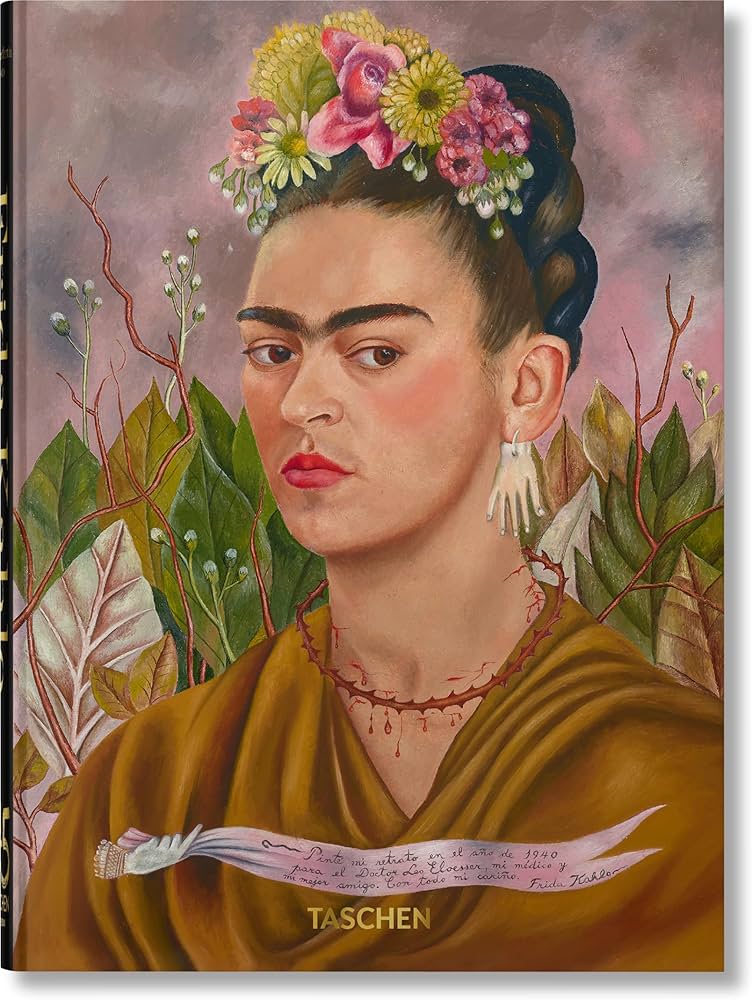
Frida Kahlo (1907–1954) was a Mexican painter whose vivid, deeply personal art made her one of the most recognisable artists of the twentieth century. Through self-portraits and symbolic scenes, she explored identity, pain, love, politics and her connection to Mexican culture. Her work continues to resonate with audiences around the world.
Early life in Coyoacán
Kahlo was born in 1907 in Coyoacán, then a town on the outskirts of Mexico City. She spent much of her life in the family home known as La Casa Azul, or the Blue House, which is now a museum dedicated to her life and work. As a child, she contracted polio, an illness that affected her right leg. Despite its challenges, she was an energetic and ambitious student.
In 1925, when she was 18, Kahlo was seriously injured in a bus accident. She suffered multiple fractures and endured years of medical treatment and pain. During her recovery, she began painting more intensively. A mirror above her bed allowed her to use herself as a subject, leading to the self-portraits that would become central to her artistic practice.
A distinctive artistic voice
Kahlo’s paintings draw on personal experience, Mexican folk art and Indigenous visual traditions. Her direct gaze, bright colours and carefully chosen symbols make many of her works feel intimate, while also raising wider questions about gender, nationality and the body.
Her art often reflects the physical and emotional hardships she experienced, including chronic pain, illness and pregnancy loss. Rather than presenting these subjects in a purely realistic way, she combined recognisable details with striking, sometimes unsettling imagery. In The Two Fridas (1939), for example, two versions of the artist sit side by side, connected by a visible vein. The painting is often considered in relation to identity and the difficulties in her personal life.
Kahlo is sometimes associated with Surrealism, but she resisted being defined by the movement. She said she painted her own reality. Her pictures may appear dreamlike, yet many begin with the concrete realities of her body, relationships and surroundings.
Life with Diego Rivera
In 1929, Kahlo married the celebrated Mexican muralist Diego Rivera. Their relationship was passionate and complicated, and they divorced in 1939 before marrying again the following year. Both artists were involved in left-wing politics and took an active interest in Mexico’s cultural life.
Kahlo’s personal story has often attracted as much attention as her paintings. However, her reputation rests not only on her biography: it also reflects the originality and strength of her artistic vision. She exhibited in Mexico and abroad, including in New York and Paris, and held her first solo exhibition in Mexico in 1953.
Legacy
Frida Kahlo died in 1954, aged 47. In the decades since, her work has been celebrated for its honesty, visual power and refusal to separate private experience from public identity. She has become an enduring cultural figure, but the paintings remain at the heart of her legacy.
Kahlo transformed the self-portrait into a space for examining who she was and how she wished to be seen. Her art continues to invite viewers to look closely at the connections between the body, culture and personal experience—and to find meaning in lives that do not fit neatly into a single story.
Frida Kahlo: 7 Things to Know About Her Life and Art
- Frida Kahlo was a Mexican painter.
- She was born in 1907 in Coyoacán, Mexico City.
- She is famous for her vivid self-portraits.
- Her work often explored identity, pain and culture.
- She drew inspiration from Mexican folk art.
- She was married to artist Diego Rivera.
- Visit the Blue House in Coyoacán to learn more about her life.
Frida Kahlo was a Mexican painter.
Frida Kahlo was a Mexican painter renowned for her vivid, deeply personal artworks. Drawing on her own experiences, Mexican culture and folk-art traditions, she created powerful paintings—especially self-portraits—that explore identity, pain, love and resilience. Her distinctive style and uncompromising vision continue to inspire people around the world.
She was born in 1907 in Coyoacán, Mexico City.
Frida Kahlo was born in 1907 in Coyoacán, a neighbourhood in Mexico City, Mexico. She spent much of her life there, and her family home, La Casa Azul, later became a museum dedicated to her life and work.
She is famous for her vivid self-portraits.
Frida Kahlo is famous for her vivid self-portraits, which combine bold colours, striking imagery and personal symbolism. Often depicting herself directly and unflinchingly, she explored themes of identity, Mexican culture, love and physical pain. These intimate works offer a powerful glimpse into her life while reflecting experiences that many people can relate to.
Her work often explored identity, pain and culture.
Frida Kahlo’s work often explored identity, pain and culture, drawing on her personal experiences and her deep connection to Mexico. Through vivid colours, powerful symbols and many self-portraits, she portrayed physical and emotional suffering while reflecting on heritage, gender and belonging. Her art makes intimate experiences feel universal, inviting viewers to consider how personal identity is shaped by the body, history and culture.
She drew inspiration from Mexican folk art.
Frida Kahlo drew inspiration from Mexican folk art, incorporating its vivid colours, bold patterns and symbolism into her paintings. She was also influenced by Indigenous traditions and popular devotional images, which helped her express her connection to Mexican culture and identity. These influences gave her work its distinctive visual character while adding depth to her personal stories.
She was married to artist Diego Rivera.
Frida Kahlo was married to fellow Mexican artist Diego Rivera. They wed in 1929, divorced in 1939 and remarried the following year. Their relationship was passionate and often difficult, and both artists became influential figures in Mexico’s cultural and political life.
Visit the Blue House in Coyoacán to learn more about her life.
Visit the Blue House (La Casa Azul) in Coyoacán to discover more about Frida Kahlo’s life and work. Now the Frida Kahlo Museum, the bright blue former family home displays personal belongings, photographs and artworks, offering a glimpse into the artist’s daily life and the world that shaped her. Check opening times and book tickets in advance, as the museum is popular with visitors.