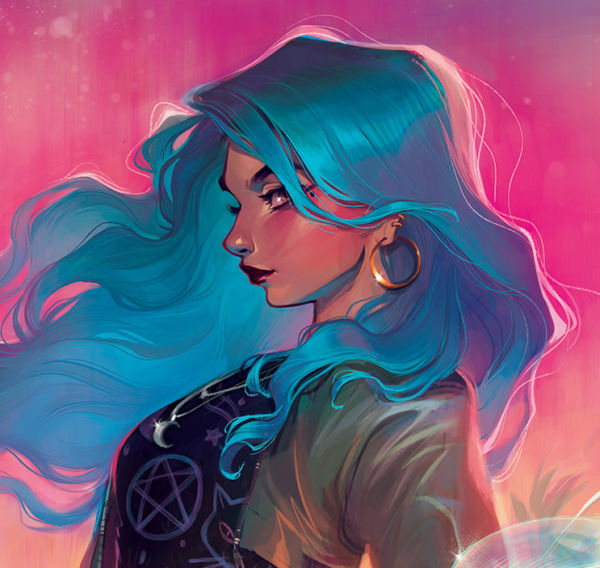
The Art of Digital Painting
Digital painting is a modern form of artistic expression that combines traditional painting techniques with digital tools and technologies. Artists use specialized software and hardware to create stunning artworks that rival the beauty and complexity of traditional paintings.
Unlimited Creative Possibilities
One of the key advantages of digital painting is the limitless creative possibilities it offers. Artists can experiment with an extensive range of brushes, colors, textures, and effects to bring their artistic vision to life. The ability to undo mistakes, layer elements, and manipulate details with precision allows for a level of control and flexibility that is unparalleled in traditional painting.
Efficiency and Accessibility
Digital painting also offers efficiency and accessibility to artists. With no need for physical materials like paint, canvas, or brushes, artists can create artworks digitally using a computer or tablet. This not only reduces costs but also eliminates the need for extensive cleanup or storage space. Additionally, digital tools make it easier for artists to share their work online with a global audience.
Evolution of Artistic Techniques
The evolution of digital painting has led to the development of new artistic techniques and styles. Artists are constantly pushing boundaries and exploring innovative ways to create captivating visual experiences. From hyper-realistic portraits to abstract compositions, digital painting allows artists to experiment with diverse styles and approaches that were previously unattainable.
Integration with Traditional Art Forms
While digital painting offers unique advantages, it also integrates seamlessly with traditional art forms. Many artists combine digital techniques with traditional mediums such as acrylics or oils to create hybrid artworks that blend the best of both worlds. This fusion of old and new techniques results in captivating pieces that resonate with audiences across generations.
The Future of Digital Painting
As technology continues to advance, the future of digital painting holds endless possibilities. From virtual reality art experiences to AI-assisted creativity tools, artists are poised to explore new frontiers in artistic expression. Digital painting will continue to evolve and shape the art world, inspiring creativity and innovation for years to come.
Exploring the Advantages of Digital Painting: Creativity, Efficiency, Precision, and Innovation
- 1. Limitless creative possibilities with a wide range of brushes, colors, textures, and effects.
- 2. Enhanced efficiency and accessibility without the need for physical materials like paint or canvas.
- 3. Ability to undo mistakes easily and manipulate details with precision.
- 4. Seamless integration with traditional art forms for hybrid artistic expressions.
- 5. Opportunity to explore new techniques and styles that push artistic boundaries.
- 6. Potential for continuous evolution through technological advancements in digital tools.
Challenges of Digital Painting: Tactile Loss, Tech Dependence, Costly Tools, and Plagiarism Risks
- Lack of tactile experience compared to traditional painting
- Dependence on technology and software, which can be prone to technical issues
- High initial investment in quality digital art tools and equipment
- Potential for digital artworks to be easily replicated or plagiarized
1. Limitless creative possibilities with a wide range of brushes, colors, textures, and effects.
Digital painting offers artists limitless creative possibilities by providing access to a diverse range of brushes, colors, textures, and effects. Unlike traditional painting methods, digital tools allow artists to experiment freely and explore a multitude of artistic techniques without any physical limitations. With just a few clicks, artists can switch between different brush styles, mix an infinite palette of colors, apply various textures, and add captivating effects to their artworks. This versatility empowers artists to unleash their imagination and bring their artistic vision to life in ways that were previously unimaginable.
2. Enhanced efficiency and accessibility without the need for physical materials like paint or canvas.
Digital painting offers enhanced efficiency and accessibility by eliminating the need for physical materials such as paint or canvas. Artists can create captivating artworks digitally using a computer or tablet, saving time and resources typically associated with traditional painting. This not only streamlines the creative process but also reduces costs and eliminates the constraints of physical space. With digital tools at their disposal, artists can unleash their creativity without limitations, opening up a world of artistic possibilities that transcend the boundaries of traditional art forms.
3. Ability to undo mistakes easily and manipulate details with precision.
One of the significant advantages of digital painting is the ability to undo mistakes easily and manipulate details with precision. Unlike traditional painting methods where corrections can be challenging and permanent, digital artists can effortlessly backtrack, refine, and perfect their work with just a few clicks. This level of control not only allows for greater experimentation and creative freedom but also enables artists to fine-tune even the smallest details with unparalleled accuracy, resulting in polished and flawless artworks.
4. Seamless integration with traditional art forms for hybrid artistic expressions.
Digital painting offers a unique advantage in its seamless integration with traditional art forms, allowing artists to create hybrid artistic expressions that blend the best of both worlds. By combining digital techniques with traditional mediums such as acrylics or oils, artists can explore new creative possibilities and push the boundaries of conventional art. This fusion of old and new techniques results in captivating artworks that resonate with audiences across generations, bridging the gap between past traditions and modern innovation in a harmonious and visually striking manner.
5. Opportunity to explore new techniques and styles that push artistic boundaries.
Digital painting offers artists the exciting opportunity to explore new techniques and styles that push artistic boundaries to new heights. By leveraging digital tools and technologies, artists can experiment with innovative approaches that were previously inaccessible in traditional painting. From intricate digital brushwork to surreal digital effects, the possibilities for creative exploration are endless. This freedom to push artistic limits fosters a culture of experimentation and discovery, allowing artists to break free from conventional norms and redefine the boundaries of visual expression.
6. Potential for continuous evolution through technological advancements in digital tools.
The potential for continuous evolution through technological advancements in digital tools is a significant advantage of digital painting. As software and hardware technologies continue to improve, artists have access to a growing array of innovative features and capabilities that enhance their creative process. From advanced brush simulations to real-time rendering techniques, these tools empower artists to experiment, refine their skills, and push the boundaries of artistic expression. The ever-evolving nature of digital tools ensures that artists can adapt to new trends and possibilities, driving the ongoing evolution of digital painting as an art form.
Lack of tactile experience compared to traditional painting
One notable con of digital painting is the lack of tactile experience that it offers compared to traditional painting. In traditional painting, artists engage with physical materials such as brushes, paints, and canvas, allowing them to feel the textures and manipulate the medium with their hands. This tactile interaction adds a sensory dimension to the creative process, enhancing the artist’s connection to their artwork. In contrast, digital painting relies on a stylus or digital pen on a screen, which lacks the physical feedback and organic feel of traditional tools. The absence of tactile sensations in digital painting can sometimes lead to a sense of detachment from the artwork and may impact the artist’s ability to fully immerse themselves in the creative process.
Dependence on technology and software, which can be prone to technical issues
Dependence on technology and software in digital painting can pose a significant challenge for artists, as it introduces a level of vulnerability to technical issues. Artists relying on digital tools may encounter software glitches, hardware malfunctions, or compatibility issues that can disrupt their creative process and workflow. These technical setbacks can lead to frustration, delays in work, and potential loss of artistic data if not properly managed. The reliance on technology also means that artists need to stay updated with the latest software updates and hardware requirements, adding an additional layer of complexity to their practice. Despite the convenience and versatility digital painting offers, the inherent risk of technical issues underscores the importance of maintaining a backup plan and technical support to mitigate potential disruptions in the artistic process.
High initial investment in quality digital art tools and equipment
The high initial investment in quality digital art tools and equipment poses a significant challenge for artists looking to venture into digital painting. Acquiring professional-grade software, graphic tablets, styluses, and high-resolution monitors can be costly, especially for emerging artists or those transitioning from traditional mediums. This financial barrier may limit access to advanced digital tools and hinder the creative potential of artists who are unable to afford the necessary equipment. As a result, the upfront cost of investing in quality digital art tools can create disparities in the art community and impede the growth and diversification of digital painting as an accessible artistic medium.
Potential for digital artworks to be easily replicated or plagiarized
One significant drawback of digital painting is the potential for artworks to be easily replicated or plagiarized. With the ability to create exact digital copies of artworks, artists face the risk of having their original creations stolen or reproduced without permission. This challenge undermines the value and authenticity of digital artworks, as unauthorized copies can circulate widely online, diluting the artist’s reputation and potential for recognition. Protecting intellectual property rights and ensuring proper attribution become crucial considerations in the digital art landscape to safeguard artists’ creative efforts and maintain artistic integrity.