The Evolution of Contemporary Art Sculpture
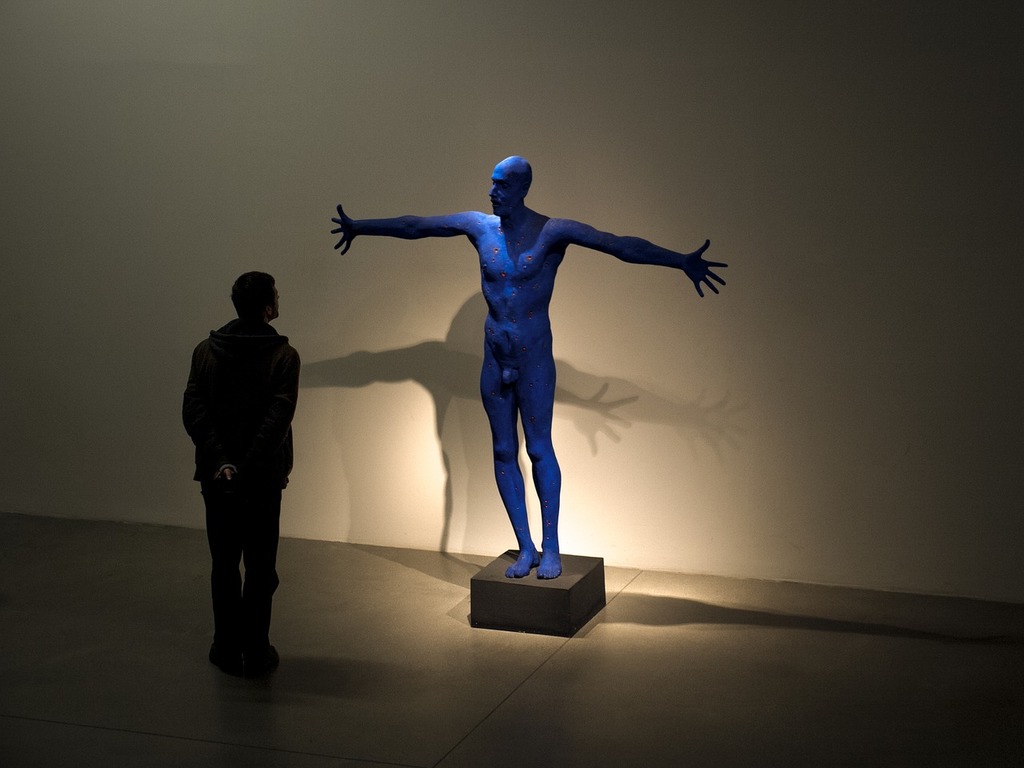
In the realm of modern art, contemporary sculpture stands out as a dynamic and evolving form of artistic expression. Defined by its innovative techniques, diverse materials, and conceptual depth, contemporary art sculpture challenges traditional notions of form and space.
Diversity in Materials and Techniques
Contemporary sculptors explore a wide range of materials beyond the conventional stone and metal. From recycled plastics to organic matter, artists push the boundaries of creativity by experimenting with unconventional mediums. This diversity in materials allows for a rich tapestry of textures, colors, and forms in contemporary sculptures.
Conceptual Depth and Meaning
Unlike classical sculptures that often depict realistic figures or mythological themes, contemporary art sculpture delves into complex concepts and abstract ideas. Artists use their creations to provoke thought, evoke emotions, and challenge viewers to interpret the meaning behind the artwork. Each sculpture becomes a vessel for storytelling and introspection.
Interactive Installations and Site-Specific Works
Contemporary sculptors are not limited to static objects but also create interactive installations that engage the audience on a multisensory level. Site-specific works are designed to interact with their surroundings, transforming the environment and inviting viewers to participate in the artistic experience. These immersive installations blur the line between art and viewer, creating a dynamic dialogue between the two.
Social Commentary and Cultural Critique
Many contemporary sculptors use their art as a platform for social commentary and cultural critique. Through their sculptures, artists address pressing issues such as environmental degradation, political unrest, gender equality, and racial injustice. By shedding light on these topics through creative expression, sculptors spark conversations and inspire change in society.
Conclusion: A Vibrant Landscape of Creativity
Contemporary art sculpture continues to evolve as artists push boundaries, experiment with new techniques, and explore diverse themes. The vibrant landscape of contemporary sculpture offers a glimpse into the ever-changing world of modern art, where creativity knows no bounds.
7 Essential Tips for Creating Innovative Contemporary Art Sculptures
- Experiment with different materials and textures to create unique sculptures.
- Consider the use of negative space to add depth and interest to your sculpture.
- Explore various techniques such as carving, modeling, and assembling to bring your ideas to life.
- Think about the environment where your sculpture will be displayed and how it interacts with the space.
- Don’t be afraid to challenge traditional notions of form and structure in your sculptural work.
- Research contemporary artists working in sculpture for inspiration and new perspectives.
- Remember that art is subjective, so trust your instincts and create from the heart.
Experiment with different materials and textures to create unique sculptures.
To create truly unique contemporary art sculptures, artists are encouraged to experiment with a variety of materials and textures. By exploring unconventional mediums and playing with different textures, sculptors can infuse their creations with a sense of originality and depth. This process of experimentation not only adds visual interest to the artwork but also opens up new possibilities for creative expression, allowing artists to push the boundaries of traditional sculpture and craft truly innovative and captivating pieces.
Consider the use of negative space to add depth and interest to your sculpture.
When creating contemporary art sculptures, artists are encouraged to consider the use of negative space as a powerful tool to enhance depth and visual interest in their works. By strategically incorporating empty spaces within the sculpture, artists can play with light and shadow, creating dynamic compositions that invite viewers to explore the interplay between form and void. The clever manipulation of negative space not only adds a sense of mystery and intrigue to the sculpture but also allows for a more nuanced expression of the artist’s vision, making each piece a captivating study in balance and harmony.
Explore various techniques such as carving, modeling, and assembling to bring your ideas to life.
To fully immerse yourself in the realm of contemporary art sculpture, it is essential to explore a myriad of techniques such as carving, modeling, and assembling. By embracing these diverse methods of creation, artists can breathe life into their ideas and give form to their imagination. Carving allows for the meticulous shaping of materials, while modeling offers a hands-on approach to sculpting intricate details. Assembling different components opens up possibilities for creating dynamic and multidimensional artworks. Through experimentation with these techniques, artists can unlock new dimensions of creativity and bring their artistic visions to fruition in captivating ways.
Think about the environment where your sculpture will be displayed and how it interacts with the space.
When creating a contemporary art sculpture, it is essential to consider the environment in which it will be displayed and how it interacts with the space. The relationship between the sculpture and its surroundings can greatly impact the viewer’s experience and interpretation of the artwork. By carefully planning how the sculpture fits within its environment, artists can enhance the overall aesthetic appeal and create a harmonious dialogue between the artwork and its surroundings. This thoughtful approach not only adds depth to the artistic expression but also enriches the visual impact of the sculpture within its designated space.
Don’t be afraid to challenge traditional notions of form and structure in your sculptural work.
In the realm of contemporary art sculpture, it is essential not to shy away from challenging traditional notions of form and structure in your creative endeavors. Embracing innovation and pushing boundaries can lead to groundbreaking artistic expressions that resonate deeply with viewers. By daring to explore unconventional techniques and materials, artists can create sculptures that defy expectations and invite reinterpretation. Embracing this fearless approach allows sculptors to carve out new paths of creativity and contribute to the ever-evolving landscape of contemporary art.
Research contemporary artists working in sculpture for inspiration and new perspectives.
To gain inspiration and fresh perspectives in contemporary art sculpture, it is advisable to conduct research on current artists working in the field. Exploring the works of contemporary sculptors allows for a deeper understanding of innovative techniques, diverse materials, and conceptual depth present in modern sculpture. By studying the creations of these artists, one can broaden their artistic horizons, fuel creativity, and discover new ways to approach sculptural expression. Researching contemporary artists working in sculpture serves as a valuable source of inspiration for those seeking to push boundaries and evolve their own artistic practice within the realm of modern art.
Remember that art is subjective, so trust your instincts and create from the heart.
When delving into the realm of contemporary art sculpture, it is crucial to remember that art is subjective, and each viewer may interpret a piece differently. Trusting your instincts and creating from the heart allows for genuine expression and authenticity in your work. By embracing your unique perspective and artistic vision, you can infuse your sculptures with emotion, meaning, and personal resonance, inviting viewers to connect with your creations on a deeper level.