The Beauty of Landscape Art
Landscape art has a rich history that dates back centuries, capturing the beauty and essence of natural scenery through various artistic mediums. From serene meadows to majestic mountains, landscape art provides a window into the wonders of the natural world, inviting viewers to immerse themselves in its beauty.
Throughout art history, renowned artists such as Claude Monet, Vincent van Gogh, and J.M.W. Turner have immortalized landscapes in their works, showcasing the ever-changing moods and colors of nature. Their paintings evoke a sense of tranquility and awe, transporting viewers to distant lands and inviting them to contemplate the magnificence of the world around them.
One of the defining characteristics of landscape art is its ability to evoke emotions and memories in viewers. Whether it’s a serene depiction of a tranquil lake at sunrise or a dramatic portrayal of a stormy sea, landscape art has the power to stir the soul and inspire contemplation.
Contemporary landscape artists continue to push boundaries and explore new ways of interpreting nature through their artwork. From traditional oil paintings to modern digital compositions, artists experiment with different techniques and styles to capture the essence of landscapes in unique and captivating ways.
As we navigate an increasingly urbanized world, landscape art serves as a poignant reminder of the importance of preserving our natural environment. Through their creations, artists highlight the beauty and fragility of our planet, encouraging us to cherish and protect the landscapes that inspire us.
Whether you’re drawn to serene pastoral scenes or dramatic mountain vistas, landscape art offers a diverse range of interpretations that appeal to all tastes and preferences. So take a moment to appreciate the beauty that surrounds us through the timeless allure of landscape art.
Exploring Landscape Art: Key Questions and Insights
- What is landscape art?
- Who are some famous landscape artists?
- How has landscape art evolved over time?
- What are the different styles of landscape art?
- How does landscape art evoke emotions in viewers?
- What role does nature play in landscape art?
- How do contemporary artists approach landscape art?
- Why is landscape art important in today’s world?
What is landscape art?
Landscape art is a genre of visual art that focuses on depicting natural scenery, such as mountains, valleys, forests, rivers, and skies. Artists who create landscape art aim to capture the beauty and essence of the natural world through various mediums, including painting, photography, and sculpture. By portraying landscapes in their artwork, artists evoke a sense of wonder and appreciation for the environment, inviting viewers to immerse themselves in the tranquility and majesty of nature. Landscape art serves as a timeless reflection of our connection to the Earth and our desire to preserve its beauty for future generations to enjoy.
Who are some famous landscape artists?
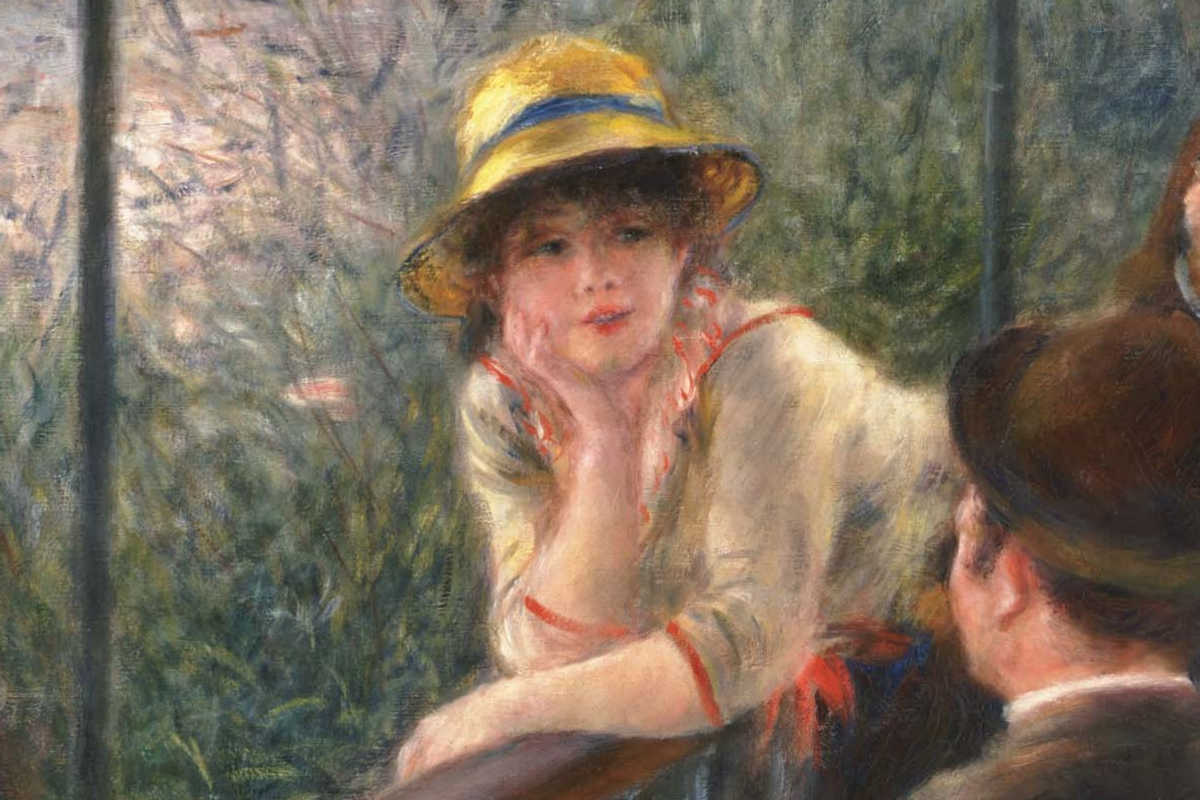
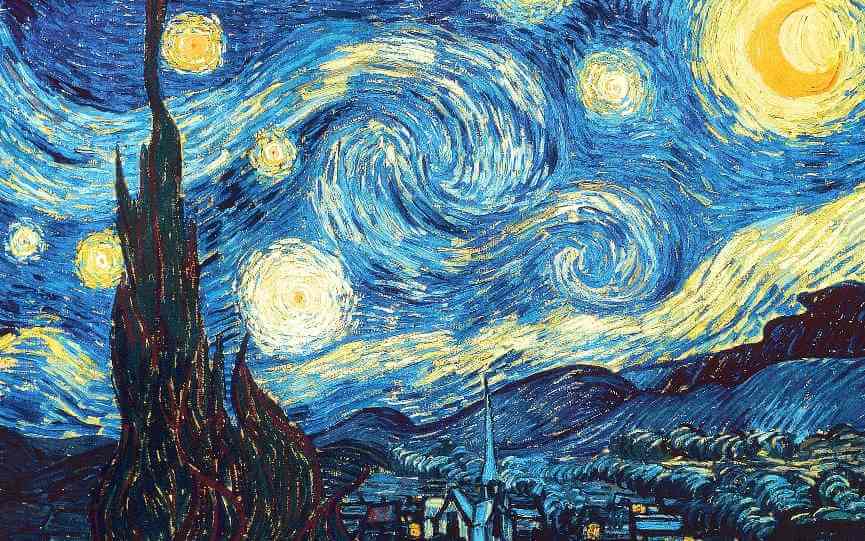
Many renowned artists have made significant contributions to the genre of landscape art throughout history. Some of the most famous landscape artists include Claude Monet, known for his Impressionist paintings that capture the play of light and color in natural settings; J.M.W. Turner, whose romantic and atmospheric landscapes are celebrated for their emotional depth and luminosity; and Vincent van Gogh, whose expressive brushwork and vibrant colors brought a unique perspective to the portrayal of nature. These artists, among many others, have left an indelible mark on the world of landscape art with their innovative techniques and captivating interpretations of the natural world.
How has landscape art evolved over time?
Landscape art has evolved significantly over time, reflecting changes in artistic styles, techniques, and societal perspectives. From the realistic depictions of the natural world in classical landscapes to the expressive and abstract interpretations of modern landscape art, the evolution of this genre showcases a dynamic interplay between tradition and innovation. Artists have experimented with different mediums, colors, and compositions to capture the essence of landscapes in new and exciting ways, pushing boundaries and challenging conventions. Additionally, as our relationship with nature has evolved, so too has landscape art, reflecting contemporary concerns about environmental conservation, urbanization, and the impact of human activity on the natural world. This evolution highlights the enduring relevance and versatility of landscape art as a means of expressing our connection to the environment and exploring the beauty of the world around us.
What are the different styles of landscape art?
There are various styles of landscape art that have evolved over time, each with its unique characteristics and artistic interpretations. Some common styles include realism, impressionism, romanticism, and abstract. Realism focuses on capturing landscapes with meticulous detail and accuracy, portraying scenes as they appear in reality. Impressionism, on the other hand, emphasizes capturing the fleeting effects of light and color to evoke a sense of atmosphere and mood. Romanticism often portrays landscapes with a sense of awe and grandeur, emphasizing emotional expression and the sublime beauty of nature. Abstract landscape art takes a more interpretive approach, using shapes, colors, and forms to convey the essence of landscapes in a non-representational manner. These diverse styles offer artists a range of creative possibilities to express their unique perspectives on the natural world through their artwork.
How does landscape art evoke emotions in viewers?
Landscape art has a profound ability to evoke emotions in viewers through its depiction of natural scenery. The careful selection of colors, lighting, and composition by the artist can create a sense of tranquility, awe, or even melancholy in the observer. By capturing the essence of a particular landscape, whether serene or dramatic, artists can tap into universal human experiences and evoke a range of emotions that resonate with viewers on a deep and personal level. The immersive nature of landscape art allows viewers to connect with the artwork on an emotional level, transporting them to the depicted scene and inviting contemplation and reflection.
What role does nature play in landscape art?
Nature plays a pivotal role in landscape art, serving as the primary source of inspiration and subject matter for artists throughout history. The natural world, with its diverse landscapes and ever-changing elements, provides artists with an endless array of textures, colors, and forms to interpret and capture on canvas. By observing and immersing themselves in nature, artists gain a deep appreciation for its beauty and intricacies, allowing them to convey the essence of landscapes in their artwork. Nature not only serves as a muse for artists but also as a mirror reflecting the symbiotic relationship between humanity and the environment, highlighting the importance of preserving and celebrating the wonders of the natural world through the timeless medium of landscape art.
How do contemporary artists approach landscape art?
Contemporary artists approach landscape art with a fresh perspective, blending traditional techniques with modern innovation to create captivating interpretations of the natural world. Through experimentation with various mediums and styles, they seek to capture the essence of landscapes in ways that resonate with contemporary audiences. From abstract representations to hyper-realistic depictions, contemporary artists push boundaries and challenge conventions, offering new insights into the beauty and complexity of the natural environment. By infusing their personal experiences and emotions into their artwork, these artists breathe new life into the age-old genre of landscape art, inviting viewers to see familiar landscapes through a different lens.
Why is landscape art important in today’s world?
Landscape art holds significant importance in today’s world as it serves as a powerful reminder of the beauty and fragility of our natural environment. In an era marked by rapid urbanization and environmental challenges, landscape art plays a crucial role in fostering a deeper connection with nature and raising awareness about the importance of conservation. Through its evocative portrayals of diverse landscapes, artists convey messages of environmental stewardship, urging viewers to appreciate and protect the natural world. By celebrating the wonders of nature through art, landscape artists inspire us to rekindle our bond with the environment and advocate for its preservation in the face of contemporary threats such as climate change and habitat destruction.