The Beauty of Van Gogh’s Almond Blossom
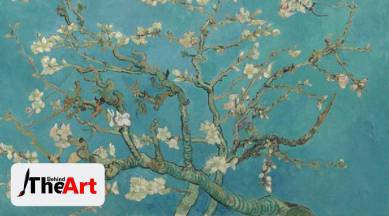
Van Gogh’s Almond Blossom is a masterpiece that captures the essence of nature’s beauty and the artist’s inner emotions. Painted in 1890 as a gift for his newborn nephew, this iconic artwork has become one of Van Gogh’s most celebrated pieces.
The painting features delicate almond blossoms against a clear blue sky, symbolizing hope, renewal, and new beginnings. The vibrant colors and bold brushstrokes create a sense of movement and vitality, reflecting Van Gogh’s unique artistic style.
Van Gogh’s Almond Blossom is not just a representation of flowers; it is a reflection of the artist’s deep connection to nature and his relentless pursuit of beauty in the world around him. The painting exudes a sense of serenity and tranquility, inviting viewers to immerse themselves in its peaceful ambiance.
Through Almond Blossom, Van Gogh invites us to appreciate the simple yet profound beauty of nature and to find solace in its timeless charm. The painting serves as a reminder of the enduring power of art to uplift our spirits and touch our souls.
Van Gogh’s Almond Blossom continues to inspire art lovers and enthusiasts around the world with its timeless appeal and emotional depth. It stands as a testament to the artist’s genius and his ability to capture the fleeting moments of beauty that surround us every day.
Exploring Van Gogh’s ‘Almond Blossom’: A Gift for His Nephew, Symbolism, Significance, and Location
- What painting did Van Gogh paint for his nephew?
- What does the Almond Blossom symbolize?
- What is the significance of the Almond Blossom Van Gogh?
- Where is the Van Gogh Almond Blossom?
What painting did Van Gogh paint for his nephew?
Vincent van Gogh painted the exquisite masterpiece known as Almond Blossom for his newborn nephew in 1890. This iconic artwork, with its delicate almond blossoms against a vibrant blue sky, symbolizes hope, renewal, and new beginnings. The painting not only showcases Van Gogh’s artistic brilliance but also reflects his deep emotional connection to nature and his family. Almond Blossom stands as a testament to the artist’s love for his nephew and his desire to create something beautiful and meaningful to commemorate the joyous occasion of new life.
What does the Almond Blossom symbolize?
The Almond Blossom in Van Gogh’s iconic painting symbolizes hope, renewal, and new beginnings. The delicate blossoms against the clear blue sky represent the promise of a fresh start and the beauty of life’s cyclical nature. Van Gogh’s choice of almond blossoms as a subject carries deeper meanings of resilience and optimism, as these flowers bloom vibrantly in early spring, signaling the end of winter and the arrival of a new season. Through his depiction of Almond Blossom, Van Gogh conveys a message of hope and positivity, inviting viewers to embrace change and find beauty in life’s continuous cycles.
What is the significance of the Almond Blossom Van Gogh?
The significance of Van Gogh’s Almond Blossom lies in its representation of hope, renewal, and new beginnings. Painted in 1890 as a gift for his newborn nephew, the artwork symbolizes the artist’s deep emotional connection to nature and his belief in the transformative power of beauty. The delicate almond blossoms against a clear blue sky evoke a sense of serenity and optimism, inviting viewers to contemplate the cycle of life and the enduring resilience of the human spirit. Through this masterpiece, Van Gogh conveys a message of hope and renewal that resonates with audiences across generations, making Almond Blossom a timeless symbol of inspiration and positivity.
Where is the Van Gogh Almond Blossom?
The Van Gogh Almond Blossom painting is housed in the Van Gogh Museum located in Amsterdam, Netherlands. As one of the most iconic works by Vincent van Gogh, the Almond Blossom can be admired by visitors to the museum, where it is prominently displayed among other masterpieces by the renowned artist. The museum provides a unique opportunity for art enthusiasts and Van Gogh admirers to experience the beauty and significance of this beloved artwork up close, allowing them to appreciate the intricate details and emotional depth captured in the Almond Blossom painting.