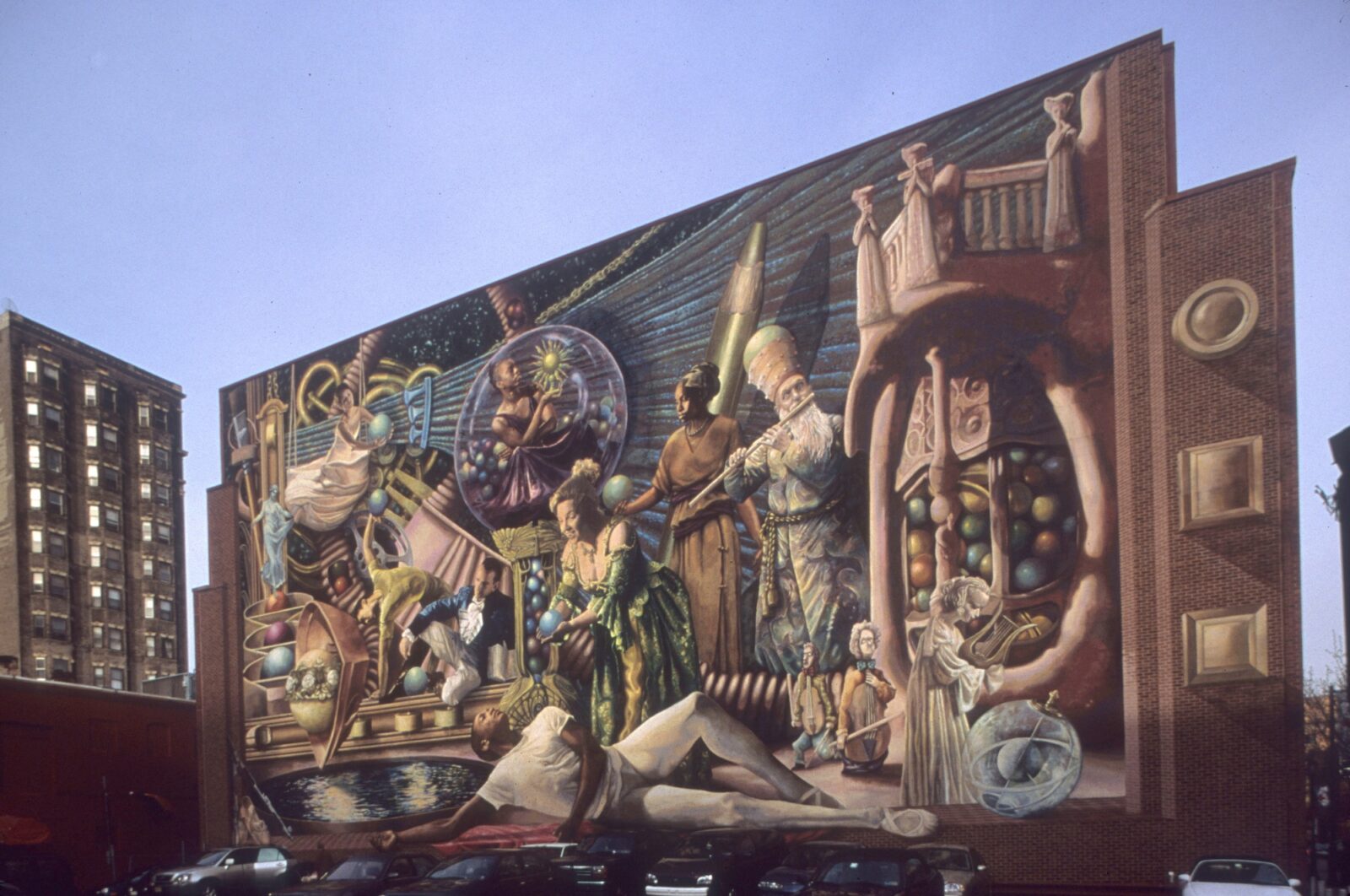
Murals: Art on a Larger Scale
Murals turn walls into canvases. Found in streets, schools, workplaces and public buildings, these large-scale artworks can brighten a neighbourhood, tell a story or invite people to see a familiar place differently. Though often associated with contemporary street art, murals have a long history across cultures and communities.
A brief history of mural art
The idea of painting directly onto walls is thousands of years old. Early examples include images in caves and painted scenes in ancient buildings. Over time, murals became a way to decorate important spaces, preserve stories and express religious, political and cultural ideas.
Today, mural-making ranges from carefully planned public commissions to spontaneous works created in urban spaces. Artists use traditional paints as well as spray paint, tiles, mosaics and other materials, adapting their methods to the surface and setting.
What makes a mural distinctive?
Unlike a painting that can be moved from place to place, a mural is closely connected to its location. Its size, subject and colours may respond to the architecture, local history or people who use the space. A mural can become a landmark, a meeting point or a source of pride for residents.
Murals also make art visible beyond galleries and museums. They are part of everyday surroundings, encountered by people on their way to work, school or the shops. This accessibility can make art feel more immediate and encourage conversations among people who might not otherwise visit an exhibition.
Stories, identity and community
Many murals reflect the character of the place where they are made. They may celebrate local traditions, commemorate an important event or highlight issues that matter to the community. Some are created through workshops and consultation, giving residents a say in the design and the stories represented.
When a mural is planned with care, it can help people feel connected to their surroundings. However, public artworks can also prompt debate. Questions about who gets to tell a community’s story, which histories are represented and how public space is used are all part of the conversation.
Making and caring for a mural
Creating a mural usually begins with an idea and a close look at the site. Artists consider the wall’s condition, scale, lighting and visibility, as well as how the design will relate to its surroundings. Planning may involve sketches, input from local people and permission from the property owner or relevant authorities.
Weather, sunlight and pollution can affect a mural over time. Suitable materials and protective coatings may help, but no outdoor artwork lasts for ever without care. Maintenance and restoration can preserve a work, while also raising questions about how much of the original design should remain unchanged.
A changing part of public life
Murals can transform blank walls into places of colour, reflection and shared meaning. Whether they are temporary or enduring, abstract or narrative, their impact comes from the meeting of art and place. By bringing creative expression into everyday settings, murals invite people to pause, look closer and consider the stories around them.
5 Top Tips for Painting a Mural That Lasts
- Get permission before painting a wall.
- Choose colours that suit the setting.
- Clean and prime the surface first.
- Check the weather before you start.
- Use a protective sealant to help it last.
Get permission before painting a wall.
Before painting a mural, always get permission from the wall’s owner or the relevant local authority. A wall may look unused, but painting it without approval can lead to complaints, fines or the artwork being removed. Confirm the agreed design, location and any conditions in writing before work begins.
Choose colours that suit the setting.
Choose colours that suit the setting by considering the surrounding buildings, natural light and character of the area. Colours that complement nearby features can help a mural feel at home, while thoughtful contrast can make key details stand out. Testing shades on a small section first can also show how they look at different times of day.
Clean and prime the surface first.
Before painting a mural, clean the surface thoroughly to remove dust, dirt, grease and loose paint, then allow it to dry completely. Apply a suitable primer for the wall material to help the paint adhere evenly and last longer. A well-prepared surface gives your mural a smoother finish and helps prevent peeling or patchy colour.
Check the weather before you start.
Check the weather before you start painting a mural, especially if you’re working outdoors. Rain can wash away fresh paint, while strong sun, wind or cold temperatures can affect how it dries and adheres to the wall. Choose a stretch of mild, dry weather, and allow enough time for each coat to dry properly.
Use a protective sealant to help it last.
Apply a protective sealant once the mural is completely dry to help shield it from rain, sunlight, dirt and everyday wear. Choose a product suited to the paint and wall surface, and test it on a small, inconspicuous area first, as sealants can alter the finish or colour. Follow the manufacturer’s instructions for application and re-coating to help keep the mural looking its best for longer.