Hitler’s Art: The Paintings, the History and the Controversy
The phrase “Hitler art” usually refers to paintings and drawings made by Adolf Hitler before he became Germany’s dictator. These works are distinct from the art policies imposed by the Nazi regime, which persecuted artists and seized or suppressed works it labelled “degenerate”. Understanding both histories helps place Hitler’s artwork in context without separating it from the wider consequences of his political career.
What did Hitler paint?
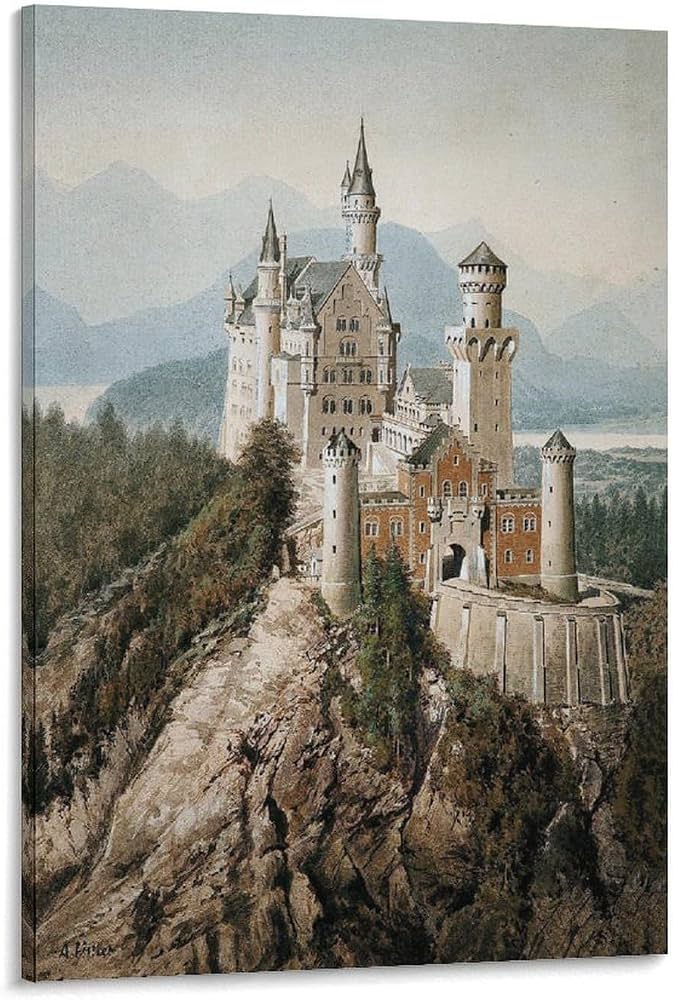
Hitler’s surviving works are mainly watercolours, drawings and architectural scenes. Many show buildings, streets and city views, often rendered in a careful but conventional style. They tend to focus on architecture rather than people, and generally avoid the experimentation that was reshaping European art in the early twentieth century.
As a young man in Vienna, Hitler hoped to pursue a career as an artist. He applied to the Academy of Fine Arts Vienna in 1907 and was not admitted. He applied again the following year but did not pass the entrance examination. Accounts of this period suggest that the academy considered his architectural drawings stronger than his figures, but his rejection should not be treated as a simple explanation for his later political choices.
Painting for a living
During his years in Vienna, Hitler made and sold small paintings, often depicting familiar buildings and city scenes. He later continued painting for a time in Munich. These works were produced before his rise to power and were not the official art of the Nazi state, although some were later collected, traded or displayed because of their creator’s notoriety.
Art under the Nazi regime
The history of Hitler’s own paintings is inseparable from the regime he led, but the two should not be confused. Nazi cultural policy promoted idealised, traditional imagery while condemning much modern art. The regime organised the 1937 “Degenerate Art” exhibition to ridicule works it rejected, and it confiscated art from museums and private owners, including works taken from Jewish people. Artists were censored, dismissed from positions, forced into exile or prevented from working.
Hitler’s personal taste was used to support this authoritarian cultural system. Yet his paintings themselves are not a representative sample of the vast range of art affected by Nazi rule. That history also includes the persecution of artists and the loss, theft and displacement of cultural property across Europe.
Why are the paintings controversial?
Works attributed to Hitler attract attention because of their association with one of history’s most destructive dictatorships. Their sale or display can raise questions about profiteering, historical responsibility and whether such objects should be exhibited. There are also practical concerns: provenance and authenticity must be carefully examined, as works falsely attributed to Hitler have circulated.
When these paintings are discussed or displayed, historical context matters. They can be studied as objects from a particular period, but they should not be presented as evidence of hidden artistic genius or as a reason to minimise the crimes of the Nazi regime. A responsible account considers the works alongside the persecution, censorship and cultural destruction carried out under Hitler’s rule.
Looking at Hitler’s art in context
Hitler’s paintings are mostly modest architectural studies, significant today chiefly because of their maker and the history surrounding them. Examining them can offer a small glimpse into his early life, but it cannot explain or excuse his later actions. Their place in history is best understood through careful research, verified provenance and an honest account of the regime that shaped their enduring notoriety.
Hitler’s Art, Collection, Autograph Value and Education: FAQs
- Why was Hitler’s art rejected?
- What happened to Hitler’s art collection?
- How much is Hitler’s autograph worth?
- What was Hitler’s education level?
Why was Hitler’s art rejected?
Hitler’s applications to the Academy of Fine Arts Vienna were rejected because the examiners did not consider his work strong enough for admission. His figure drawings were seen as a particular weakness, while his architectural sketches were regarded as more capable. The rejection was an artistic judgement, not a single event that explains his later political beliefs or actions; claims that it directly caused his rise to power oversimplify a much broader history.
What happened to Hitler’s art collection?
Hitler’s art collection included works bought for him and pieces acquired through Nazi looting, confiscation and coercion, many intended for a planned museum in Linz, Austria. Near the end of the Second World War, a large part of the collection was hidden in the Altaussee salt mine, where Allied forces recovered it and began identifying and returning looted works to their rightful owners. Some pieces were later returned, while others remain missing or the subject of ownership claims and provenance research. The fate of individual works varies, so “Hitler’s collection” does not refer to one intact collection held in a single place today.
How much is Hitler’s autograph worth?
The value of an autograph attributed to Adolf Hitler varies widely according to its authenticity, condition, provenance and the document or item it appears on; a verified signature may attract substantial prices, while an unauthenticated one may have little or no value. Any estimate should come from a reputable specialist or auction house, with authentication and provenance checks, and potential buyers should also consider the ethical concerns and legal restrictions that may apply to Nazi memorabilia.
What was Hitler’s education level?
Adolf Hitler’s formal education ended without a school-leaving qualification. He attended secondary school but did not complete his studies, leaving school in 1905 at the age of 16. He later applied to the Academy of Fine Arts Vienna, but was not admitted. He had no university education, so descriptions of his education level should distinguish his years at school from formal qualifications he never earned.