Max Ernst: A Pioneer of Dada and Surrealism
Max Ernst (1891–1976) was a German-born artist whose inventive work helped shape Dada and Surrealism. A painter, sculptor and printmaker, he experimented with materials and techniques to bring dreams, chance and the irrational into art. His striking images continue to influence artists and captivate viewers.
Early life and artistic beginnings
Ernst was born in Brühl, near Cologne, in 1891. He studied philosophy at the University of Bonn but soon turned towards art. His early interests included the work of artists such as Vincent van Gogh and August Macke, and he began exhibiting his own paintings before the First World War.
After serving in the German army during the war, Ernst became involved in the Dada movement in Cologne. Dada artists challenged conventional ideas about art and society, often using collage, absurdity and provocative imagery. Ernst worked with fellow artist Hans Arp and developed a distinctive approach to combining images from different sources.
Surrealism and new techniques
In 1922, Ernst moved to Paris, where he became closely associated with the Surrealists. The movement sought to explore dreams and the unconscious, drawing on ideas from psychology and experimenting with unexpected combinations of forms.
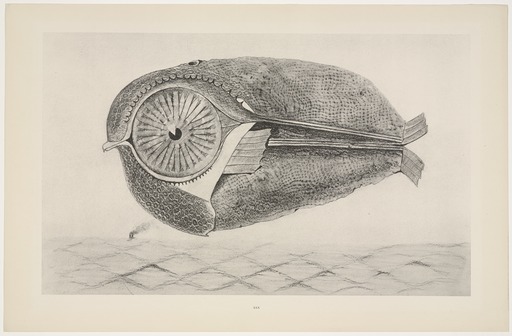
Ernst was especially inventive in the way he made images. In frottage, he placed paper over a textured surface and rubbed it with pencil, allowing accidental patterns to suggest forms and scenes. He adapted a similar idea in grattage, scraping paint from a textured canvas. These methods gave chance a role in the creative process, while Ernst used his imagination to develop the resulting shapes into finished compositions.
His paintings often bring familiar objects into unsettling or fantastical settings. Works such as The Elephant Celebes (1921) and Two Children Are Threatened by a Nightingale (1924) combine recognisable details with strange transformations. Their dreamlike scenes resist a single explanation, inviting viewers to make their own connections.
War, exile and later years
The Second World War brought further upheaval. As a German national living in France, Ernst was interned by French authorities. He later escaped to the United States in 1941 with the help of art collector Peggy Guggenheim, whom he married that year. In America, his work and ideas became part of a wider exchange with artists who would help shape post-war art.
Ernst returned to Europe in 1953 and settled in France. In 1954, he received the Grand Prize for Painting at the Venice Biennale, an important recognition of his contribution to modern art. He continued to work across painting, sculpture and printmaking until his death in Paris in 1976.
A lasting influence
Max Ernst’s importance lies not only in the images he created, but also in the possibilities he opened up for making art. By embracing collage, chance and unusual materials, he challenged the idea that a work must begin with a clear plan. His restless imagination helped carry Dada’s spirit of experiment into Surrealism and beyond, leaving a legacy that remains visible in modern and contemporary art.
Max Ernst: 7 Frequently Asked Questions About His Life, Art and Legacy
- Who was Max Ernst?
- What is Max Ernst best known for?
- Which art movements was Max Ernst associated with?
- What are Max Ernst’s most famous artworks?
- What techniques did Max Ernst use in his art?
- When and where was Max Ernst born?
- How did Max Ernst influence modern art?
Who was Max Ernst?
Max Ernst (1891–1976) was a German-born artist and a leading figure in the Dada and Surrealist movements. A painter, sculptor and printmaker, he explored dreams, chance and the unconscious, using experimental techniques such as collage, frottage and grattage. His imaginative, often unsettling works helped shape modern art and continue to inspire artists today.
What is Max Ernst best known for?
Max Ernst is best known as a leading figure in the Dada and Surrealist movements. He created dreamlike, often uncanny images and experimented with techniques such as collage, frottage (rubbing textures onto paper) and grattage (scraping paint from a textured surface). His inventive approach brought chance and the unconscious into art, helping to shape modern painting and sculpture.
Which art movements was Max Ernst associated with?
Max Ernst was closely associated with both Dada and Surrealism. He became involved in the Dada movement in Cologne after the First World War, using collage, humour and chance to challenge conventional ideas about art. Later, in Paris, he joined the Surrealists, exploring dreams and the unconscious through imaginative imagery and experimental techniques such as frottage and grattage.
What are Max Ernst’s most famous artworks?
Max Ernst’s best-known artworks include The Elephant Celebes (1921), a striking early Surrealist painting, and Two Children Are Threatened by a Nightingale (1924), which combines a painted scene with a small three-dimensional structure. Other celebrated works include The Robing of the Bride (1940), with its dreamlike, symbolic figures, and Europe After the Rain II (1940–42), an eerie landscape made using his experimental decalcomania technique. These works showcase Ernst’s inventive use of collage, chance and fantastical imagery.
What techniques did Max Ernst use in his art?
Max Ernst experimented with a range of techniques to bring chance and imagination into his art. He used collage, combining images from printed sources to create unexpected scenes, and developed frottage, rubbing pencil over paper placed on textured surfaces to reveal suggestive patterns. In grattage, he scraped paint from a textured canvas, allowing chance marks to shape the image. He also used decalcomania, pressing paint between surfaces to create irregular patterns, which he transformed into dreamlike landscapes and figures.
When and where was Max Ernst born?
Max Ernst was born on 2 April 1891 in Brühl, a town near Cologne in the German Empire, now part of Germany.
How did Max Ernst influence modern art?
Max Ernst influenced modern art by expanding the possibilities of how art could be made and understood. A leading figure in Dada and Surrealism, he used collage, frottage and grattage to bring chance, texture and unexpected imagery into his work. His dreamlike compositions challenged traditional ideas of representation and encouraged artists to explore the unconscious, experiment with materials and allow accidents to shape the creative process. These approaches helped influence later developments in modern and contemporary art.