Self-Portraits: Seeing the Self Through Art
A self-portrait is more than a picture of its maker. It is an image shaped by choices: what to reveal, what to conceal and how to be seen. Across painting, photography, sculpture and digital media, artists have used self-portraiture to explore identity, memory, emotion and the passage of time.
A long history of looking inward
Artists have represented themselves for centuries. In earlier periods, a self-portrait could demonstrate technical skill, establish an artist’s status or record a likeness for posterity. Over time, the form expanded beyond straightforward resemblance. Artists began using pose, clothing, setting, colour and symbolism to express ideas about their personalities and place in society.
Today, self-portraiture is not limited to a realistic image of the face. An artist might include only part of the body, use a reflection or shadow, or represent the self through objects, landscapes and fragments. The result can be intimate, theatrical, confrontational or deliberately ambiguous.
Identity, performance and change
Identity is not fixed, and self-portraits can make that visible. An artist may portray different sides of themselves, question the roles they are expected to play or consider how culture and personal history shape who they are. The camera or canvas becomes a space in which identity can be examined and reimagined.
Self-portraits also capture change. A series made over many years can record shifts in appearance, mood and outlook. Even a single work may suggest the tension between the person an artist feels themselves to be and the image presented to others.
More than a likeness
When viewing a self-portrait, it can be helpful to look beyond whether it resembles its subject. Consider the artist’s gaze, the use of space and light, and the details included—or left out. Is the figure facing the viewer, turning away or partly hidden? Does the work feel candid or carefully staged? These decisions influence how we read the image.
The medium matters, too. A painted portrait may reveal the physical traces of the artist’s hand, while a photograph can play with immediacy and performance. Video and digital works can introduce movement, repetition and transformation, extending self-portraiture beyond a single moment.
A conversation between artist and viewer
Self-portraits invite us to consider both the artist and ourselves. They can prompt questions about how we construct our own images, how others perceive us and what remains private. Their power lies not only in showing a face, but in opening a space for reflection.
Whether direct or abstract, personal or performative, a self-portrait is an act of looking. It asks the artist to become both subject and observer—and invites the viewer to take part in that exchange.
Self-Portraits: Six Frequently Asked Questions
- What is a self-portrait?
- Why do artists create self-portraits?
- How do you make a self-portrait?
- What should you include in a self-portrait?
- What is the difference between a self-portrait and a selfie?
- Who are some famous artists known for their self-portraits?
What is a self-portrait?
A self-portrait is an artwork in which an artist represents themselves. It can be a realistic image of their face or body, but it may also use symbols, objects, settings or abstract forms to express aspects of their identity, feelings or experiences. Self-portraits can be created in many media, including painting, drawing, photography, sculpture and digital art.
Why do artists create self-portraits?
Artists create self-portraits for many reasons: to practise their skills, explore identity and emotions, document how they change over time, or express ideas about how they wish to be seen. A self-portrait can also give an artist control over their own image, allowing them to challenge expectations, experiment with different roles or tell a personal story. Rather than simply recording appearance, it often offers insight into the artist’s perspective and the world around them.
How do you make a self-portrait?
To make a self-portrait, choose a medium—such as drawing, painting or photography—and decide what you want the image to express. Use a mirror or a reference photo to study your features, paying attention to proportions, light and shadow, and the angle of your face. Begin with simple shapes or a loose outline, then gradually add details, colour and background elements that help convey your personality or mood. A self-portrait need not be a perfect likeness: experiment, trust your own perspective and enjoy the process.
What should you include in a self-portrait?
A self-portrait can include whatever helps express who you are or how you feel. You might show your face or figure, and add meaningful details such as clothing, colours, objects, a particular setting or a distinctive expression. Think about what you want viewers to understand, and use composition, light and symbols to support that idea. A self-portrait need not be a realistic likeness; it can be abstract or represent you through objects, places or memories.
What is the difference between a self-portrait and a selfie?
A self-portrait is an artwork in which an artist represents themselves, often using composition, style and symbolism to explore identity or communicate an idea. A selfie is usually a quick photograph taken by or of someone, commonly shared to capture a moment or present an image to others. The distinction is not absolute: a carefully staged or edited selfie can function as a self-portrait, while the difference often lies in the creator’s intention and the thought behind the image.
Who are some famous artists known for their self-portraits?
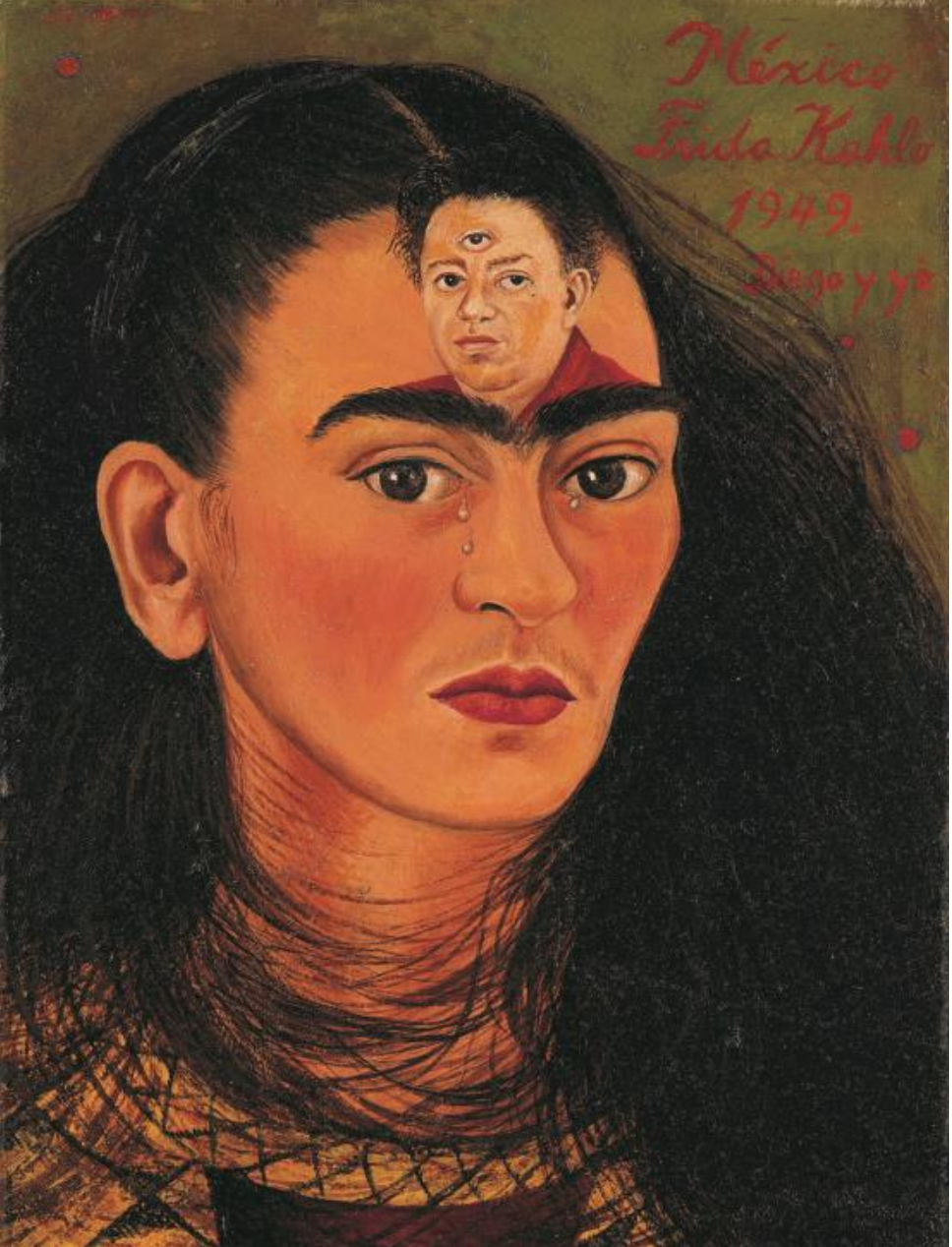
Famous artists known for their self-portraits include Rembrandt van Rijn, who painted himself throughout his life, and Vincent van Gogh, whose vivid portraits reveal changing moods and styles. Frida Kahlo often explored identity, pain and personal experience in her work, while Albrecht Dürer’s self-portraits are celebrated for their detail and symbolism. In contemporary art, Cindy Sherman is well known for photographs in which she transforms herself into a range of characters.