Large-Scale Art in Contemporary Art
Large-scale art makes an immediate impression. It can occupy a gallery wall, fill a public square or transform an entire building, inviting people to experience an artwork with their whole bodies rather than from a distance. In contemporary art, scale is not simply a matter of size: it is a way to shape space, direct attention and explore the relationship between art and its audience.
More Than Monumental Size
A large artwork may be a towering sculpture, an expansive painting, a room-sized installation or an image spread across a city façade. Its dimensions can create a sense of awe, intimacy, disorientation or even unease. By changing how viewers move and look, scale becomes part of the work’s meaning.
Large-scale art can also make visible ideas that might feel abstract on a smaller scale. A vast landscape, for example, may prompt reflection on the environment and humanity’s place within it. An installation that surrounds its visitors can turn themes such as memory, migration or identity into an embodied experience.
The Viewer Becomes Part of the Work
Unlike a small object that can be viewed from a fixed position, a large-scale work often unfolds as people move around or through it. The viewer’s perspective changes with every step. Some works encourage close inspection, revealing details that are difficult to see from afar; others are designed to be experienced across a room or from a distance.
This physical relationship can make the experience feel personal, even when the artwork is monumental. Viewers may notice their own shadows, reflections or movements becoming part of the composition. In this way, the work is not only something to look at: it is a space to enter, navigate and interpret.
Art Beyond the Gallery
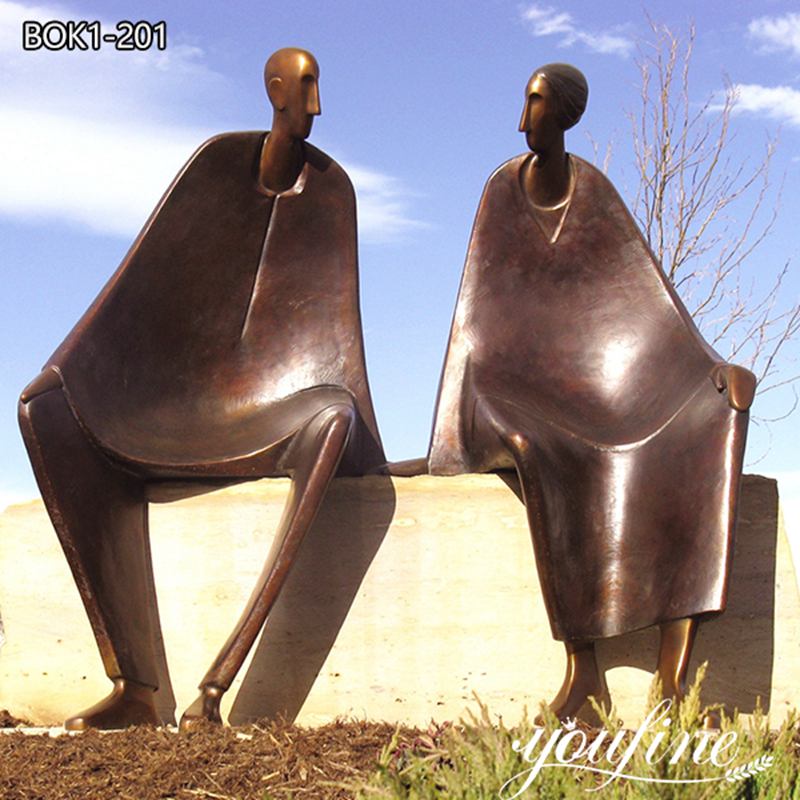
Large-scale art is often associated with public spaces, where it meets people outside the traditional gallery setting. Sculptures, murals and temporary installations can change the character of a street or gathering place. They may invite conversation, reflect local histories or encourage people to see familiar surroundings differently.
Location matters. A work created for a particular site can respond to its architecture, landscape, community or past. This relationship between artwork and setting is known as site-specificity. When it is thoughtfully developed, the location is not merely a backdrop; it becomes part of the artwork itself.
Making Art at a Larger Scale
Creating a large work brings practical and creative challenges. Artists may need to consider engineering, transport, installation, safety and the long-term effects of weather or public use. The process can involve architects, fabricators, conservators, curators and local organisations, alongside the artist.
Materials also influence how a work is experienced. Steel, stone and concrete can suggest permanence and strength, while fabric, paper, light or sound may make an installation seem fragile or changeable. Some artists use temporary or reclaimed materials, drawing attention to cycles of use, waste and renewal.
Scale, Context and Responsibility
Because large artworks can affect shared environments, their impact deserves careful consideration. Public commissions may raise questions about who is represented, how a site’s history is acknowledged and whether local communities have a meaningful role in the process. The artwork’s scale can amplify these questions, making its presence impossible to ignore.
Large-scale art can also carry environmental costs, particularly when it requires substantial materials or complex transport. Increasingly, artists and commissioning bodies are considering reuse, low-impact materials and plans for a work’s future after an exhibition or installation ends.
A Different Way of Seeing
At its most compelling, large-scale art changes our sense of proportion. It can make a familiar space feel new, bring distant issues close or encourage us to pause within a busy environment. Its power does not come from size alone, but from the way that size connects the artwork to its surroundings and to the people who encounter it.
In contemporary art, large scale remains a flexible and expressive tool. Whether permanent or temporary, public or gallery-based, it offers artists a way to create experiences that are physical, shared and difficult to overlook.
Large-Scale Art in Contemporary Art: Six Frequently Asked Questions
- What is large scale art in contemporary art?
- What are large scale paintings called?
- What is the 70 30 rule in art?
- What is the largest contemporary artwork?
- What contemporary artist is best known for her large scale silhouette works?
- What are the benefits of large scale art?
What is large scale art in contemporary art?
Large-scale art in contemporary art refers to works created on a substantial physical scale, such as monumental sculptures, expansive paintings, immersive installations or murals. Their size can shape how people experience a space, inviting viewers to move around, look closely or even enter the work. More than simply being large, these artworks use scale to express ideas, create atmosphere and engage with their surroundings, whether in a gallery or a public place.
What are large scale paintings called?
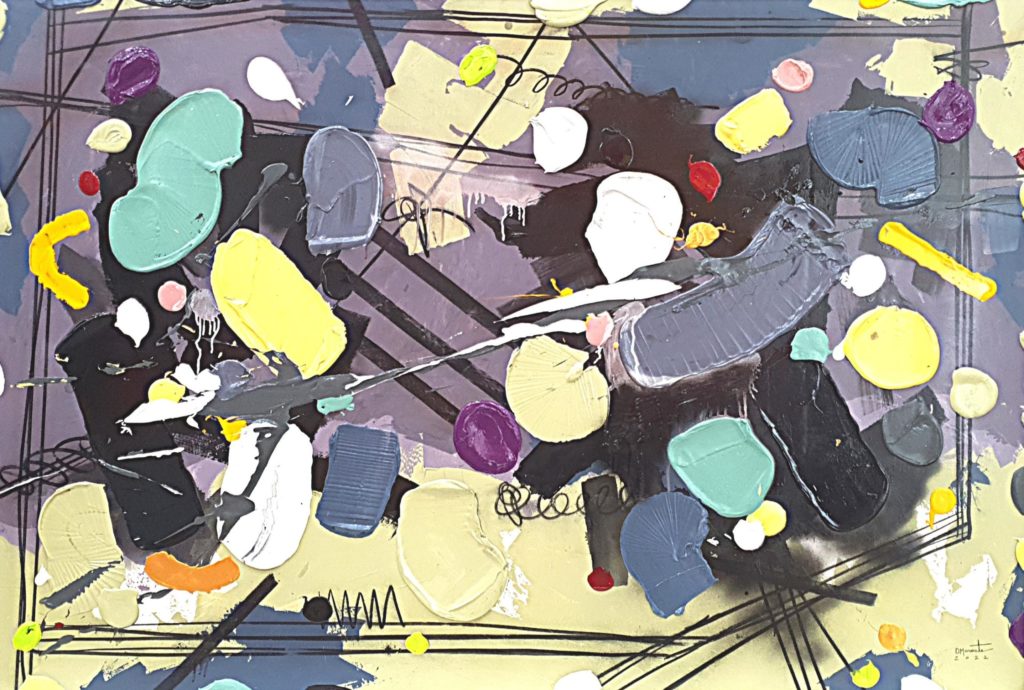
Large-scale paintings are generally called large-format or monumental paintings. If painted directly onto a wall or ceiling, they are often called murals. The term used can depend on the artwork’s setting and method: a painting created for a particular building or space may also be described as site-specific.
What is the 70 30 rule in art?
The 70/30 rule in art is a flexible guideline rather than a fixed principle: it often means giving roughly 70% of a composition to a dominant colour, material or visual element, and 30% to contrasting or supporting elements. In large-scale contemporary art, this balance can help create unity while adding variety and visual interest across an expansive surface or installation. Artists may adjust or disregard the ratio to suit their concept, so it is best treated as a starting point rather than a strict formula.
What is the largest contemporary artwork?
There is no single answer to what the largest contemporary artwork is, as “largest” can refer to length, area, volume or the extent of a site-specific project. Large-scale land art, public murals and immersive installations are all measured differently, and some works are temporary or still evolving. Rather than naming one definitive record-holder, it is more accurate to consider how each artwork uses its scale to shape its setting and the viewer’s experience.
What contemporary artist is best known for her large scale silhouette works?
The contemporary artist best known for her large-scale silhouette works is Kara Walker. The American artist uses cut-paper silhouettes and expansive installations to examine race, gender, power and the legacy of slavery. Her imposing, often monochrome works draw on the visual language of historic silhouette portraits while confronting viewers with complex and sometimes disturbing narratives.
What are the benefits of large scale art?
Large-scale art can make a powerful visual impact, transforming a space and inviting people to engage with it in new ways. Its size can draw attention to important themes, create an immersive experience and encourage viewers to move around or through the work. In public places, it can also bring communities together, spark conversation and make contemporary art accessible beyond traditional galleries.