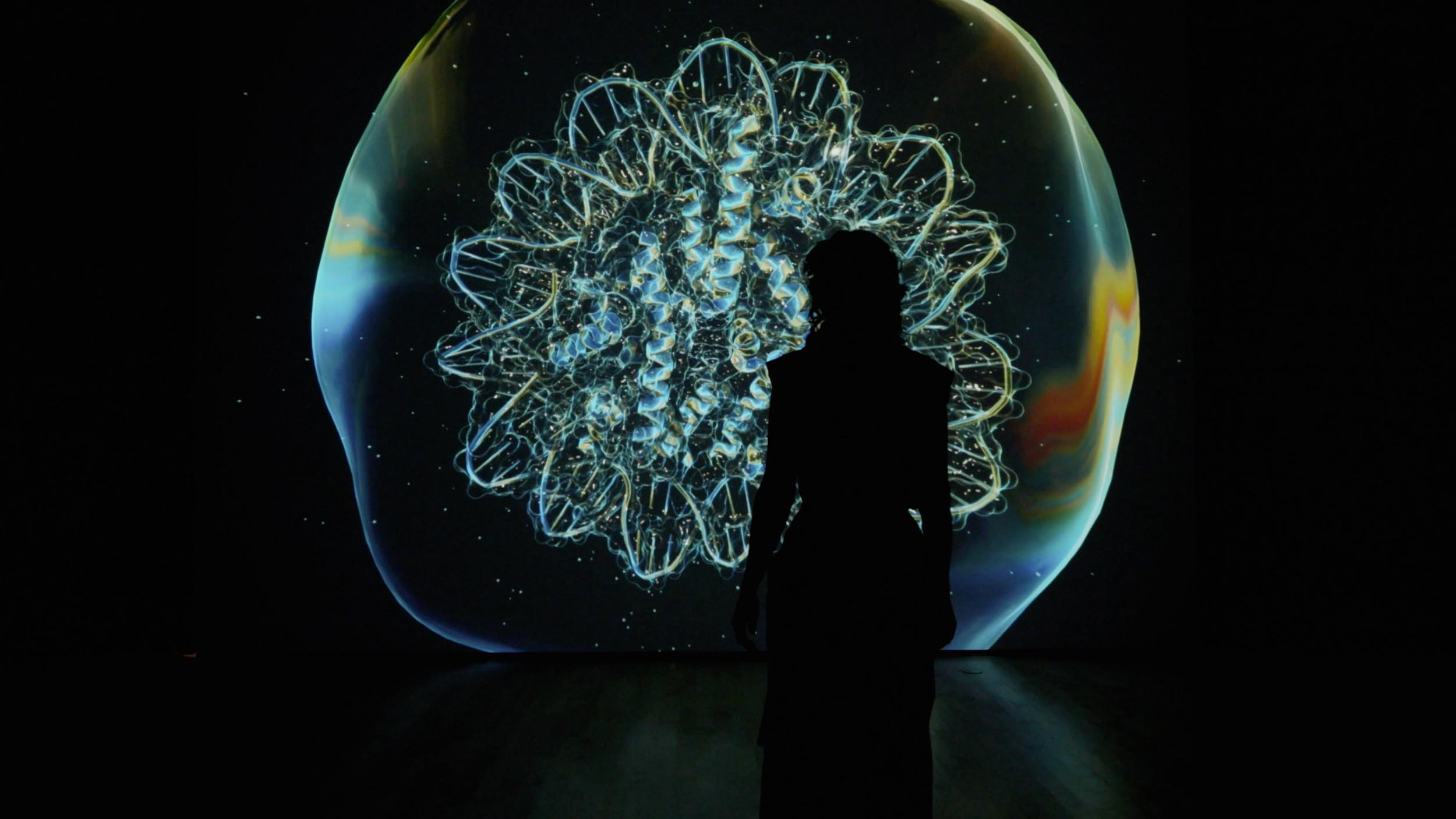
Exploring Interactive New Media Art Installations
Interactive new media art installations represent a fascinating fusion of technology and artistic expression. These immersive artworks engage viewers on multiple levels, inviting them to participate in the creation and experience of art in innovative ways.
The Intersection of Art and Technology
New media art installations leverage cutting-edge technologies such as virtual reality, augmented reality, sensors, and interactive displays to create dynamic and engaging experiences. Artists use these tools to blur the lines between the physical and digital worlds, challenging traditional notions of art and audience interaction.
Engaging the Senses
One of the key features of interactive new media art installations is their ability to engage multiple senses simultaneously. Viewers not only see the artwork but also hear, touch, and sometimes even smell or taste elements incorporated into the installation. This multisensory approach creates a truly immersive experience that resonates with audiences on a deeper level.
Encouraging Participation and Collaboration
Unlike traditional static artworks, interactive new media installations encourage active participation from viewers. Whether through physical interaction with sensors or virtual engagement through digital interfaces, audiences become co-creators in shaping the artwork’s narrative and evolution. This collaborative aspect fosters a sense of connection and ownership among participants.
Pushing Boundaries and Inspiring Creativity
Interactive new media art installations push boundaries by challenging conventional artistic practices and embracing experimentation. Artists have the freedom to explore unconventional concepts, incorporate real-time data or interactivity, and create ever-evolving artworks that inspire curiosity and creativity in viewers.
Conclusion
Interactive new media art installations offer a dynamic platform for artists to explore the intersection of technology, creativity, and audience engagement. By breaking down barriers between artist and viewer, these immersive experiences redefine how we perceive and interact with art in the digital age.
Exploring Interactive New Media Art Installations: Forms, Concepts, and Examples
- What are the 5 New Media Art forms?
- What is interactive media in art?
- What is an interactive installation?
- What is an example of an interactive art installation?
What are the 5 New Media Art forms?
The question “What are the 5 New Media Art forms?” is a common inquiry that sheds light on the diverse and evolving landscape of interactive new media art installations. New media art encompasses a wide range of forms, including digital art, virtual reality experiences, interactive installations, multimedia performances, and net art. Each form offers unique opportunities for artists to experiment with technology, engage audiences in novel ways, and push the boundaries of traditional artistic expression. By exploring these distinct art forms, creators can harness the power of technology to create immersive and thought-provoking experiences that resonate with viewers on a deeper level.
What is interactive media in art?
Interactive media in art refers to a dynamic form of artistic expression that actively engages viewers in the creation and experience of art. Unlike traditional static artworks, interactive media art installations invite audience participation through various means such as touch, motion, sound, or digital interaction. By blurring the boundaries between the artwork and the viewer, interactive media art transforms the passive observer into an active participant, shaping the narrative and outcome of the artwork in real time. This immersive approach not only challenges conventional notions of art but also fosters a deeper level of engagement and connection between the audience and the artwork itself.
What is an interactive installation?
An interactive installation is a dynamic and engaging artwork that invites viewer participation and interaction. Unlike traditional static art pieces, interactive installations respond to the presence or actions of the audience, creating a personalized and immersive experience. Through the use of technology such as sensors, projections, or digital interfaces, viewers can actively engage with the artwork, influencing its form or behavior in real time. This collaborative relationship between the audience and the artwork blurs the boundaries between creator and observer, transforming the viewing experience into a creative dialogue that challenges traditional notions of art and spectatorship.
What is an example of an interactive art installation?
An example of an interactive art installation is “The Treachery of Sanctuary” by Chris Milk. This innovative piece combines digital technology with physical interaction to create a captivating and immersive experience for viewers. Through motion sensors and projections, participants can see their own silhouettes transformed into animated birds that respond to their movements. This interactive artwork blurs the boundaries between the virtual and physical worlds, inviting audiences to engage with the art in a unique and personal way.