The Timeless Beauty of Rajasthani Painting
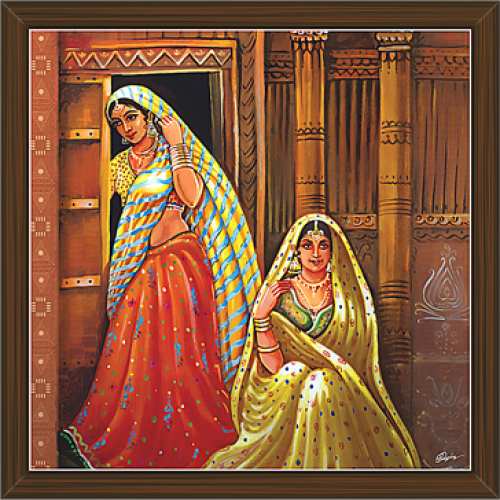
Rajasthani painting, also known as Rajput painting, is a traditional art form that originated in the royal courts of Rajasthan, India. Known for its vibrant colors, intricate details, and rich cultural heritage, Rajasthani painting has captivated art enthusiasts and historians for centuries.
History and Origins
The roots of Rajasthani painting can be traced back to the 16th century when it flourished under the patronage of Rajput rulers. These paintings were often commissioned to depict mythological themes, royal portraits, and scenes from epic tales like the Ramayana and Mahabharata. Over time, Rajasthani painting evolved into distinct styles influenced by Mughal and Persian art traditions.
Characteristics and Techniques
Rajasthani paintings are characterized by their use of bold colors, intricate patterns, and fine detailing. Artists often use natural pigments derived from minerals, plants, and precious stones to create vivid hues that reflect the region’s vibrant culture. The paintings are typically done on cloth, paper, or walls using techniques like miniature painting, fresco, and miniature brushwork.
Themes and Subjects
Rajasthani painting encompasses a wide range of themes including love stories (as seen in Kangra paintings), courtly scenes (as depicted in Mewar paintings), religious narratives (as found in Nathdwara paintings), and folk tales (as shown in Phad paintings). Each style carries its own unique charm and storytelling tradition that reflects the diverse cultural landscape of Rajasthan.
Legacy and Influence
The legacy of Rajasthani painting continues to inspire contemporary artists and designers around the world. Its timeless beauty and intricate craftsmanship have made it a cherished art form that transcends time and borders. Today, Rajasthani painting is not just a visual delight but also a window into the rich history and cultural heritage of Rajasthan.
Experience the magic of Rajasthani painting through its vibrant colors, captivating stories, and exquisite craftsmanship that have stood the test of time.
Exploring the Vibrant World of Rajasthani Painting: 9 Tips on Tradition, Techniques, and Styles
- Rajasthani paintings are known for their vibrant colors and intricate designs.
- These paintings often depict themes from Indian mythology, folklore, and royal life.
- The use of gold and silver leaf in Rajasthani paintings adds a touch of luxury to the artwork.
- Different regions in Rajasthan have their unique styles of painting such as Mewar, Marwar, Hadoti, and Dhundhar.
- Rajasthani artists traditionally use natural pigments derived from minerals, plants, and even precious stones.
- The brushwork in Rajasthani painting is delicate yet precise, showcasing the skill and expertise of the artists.
- Many Rajasthani paintings also feature intricate detailing like miniature patterns and fine lines.
- Historically, these paintings were created on materials like cloth, paper, walls, or even marble surfaces.
- Modern artists continue to innovate with traditional Rajasthani techniques to create contemporary artworks.
Rajasthani paintings are known for their vibrant colors and intricate designs.
Rajasthani paintings are renowned for their striking use of vibrant colors and intricate designs. Each brushstroke in Rajasthani art reflects a rich cultural heritage and a deep connection to the region’s history. The harmonious blend of bold hues and detailed patterns creates visually captivating masterpieces that transport viewers to a world of tradition, beauty, and storytelling.
These paintings often depict themes from Indian mythology, folklore, and royal life.
Rajasthani paintings are renowned for their intricate portrayal of themes drawn from Indian mythology, folklore, and royal life. Each brushstroke in these artworks captures the essence of ancient tales, mythical legends, and the opulent lifestyles of Rajput rulers. The vibrant colors and detailed compositions in Rajasthani paintings bring to life the rich cultural heritage and storytelling traditions of Rajasthan, making them not just visual masterpieces but also windows into a bygone era filled with enchanting narratives and regal splendor.
The use of gold and silver leaf in Rajasthani paintings adds a touch of luxury to the artwork.
The incorporation of gold and silver leaf in Rajasthani paintings elevates the art to a new level of opulence and grandeur. These precious metals bring a touch of luxury and sophistication to the artwork, enhancing its visual appeal and creating a sense of richness. The shimmering effect of gold and silver leaf adds depth and dimension to the intricate details, further highlighting the skill and craftsmanship of the artists. This traditional technique not only enhances the beauty of Rajasthani paintings but also symbolizes the regal heritage and cultural significance of this exquisite art form.
Different regions in Rajasthan have their unique styles of painting such as Mewar, Marwar, Hadoti, and Dhundhar.
In the realm of Rajasthani painting, diversity reigns supreme as different regions within Rajasthan boast their distinctive styles of artistic expression. From the majestic Mewar paintings that exude royal elegance to the vibrant Marwar artworks depicting folk tales and traditions, each region, be it Hadoti or Dhundhar, brings forth its unique cultural narrative through intricate brushwork and vivid colors. The varied styles of Rajasthani painting not only showcase the artistic prowess of the region but also serve as a visual testament to the rich heritage and creativity that thrives in every corner of Rajasthan.
Rajasthani artists traditionally use natural pigments derived from minerals, plants, and even precious stones.
Rajasthani artists have a long-standing tradition of utilizing natural pigments sourced from minerals, plants, and even precious stones in their paintings. This practice not only adds a unique vibrancy to their artwork but also reflects a deep connection to the rich natural resources of the region. By incorporating these organic materials into their creations, Rajasthani artists infuse their paintings with a sense of authenticity and sustainability, showcasing the beauty of nature in every brushstroke.
The brushwork in Rajasthani painting is delicate yet precise, showcasing the skill and expertise of the artists.
The brushwork in Rajasthani painting is a testament to the delicate yet precise craftsmanship of the artists. Each stroke of the brush reflects not only their skill but also their deep expertise in this traditional art form. The intricate detailing and precision in their work highlight the dedication and mastery required to create these exquisite pieces of art, showcasing a harmonious blend of technique and creativity that defines Rajasthani painting.
Many Rajasthani paintings also feature intricate detailing like miniature patterns and fine lines.
Many Rajasthani paintings showcase exquisite craftsmanship with intricate detailing such as miniature patterns and fine lines. These delicate elements add depth and richness to the artwork, highlighting the skill and precision of the artists. The use of fine lines and miniature patterns in Rajasthani painting reflects a tradition of meticulous artistry that has been passed down through generations, capturing the essence of Rajasthan’s rich cultural heritage in every stroke.
Historically, these paintings were created on materials like cloth, paper, walls, or even marble surfaces.
Historically, Rajasthani paintings were crafted on a variety of materials such as cloth, paper, walls, and even marble surfaces. This diverse range of mediums allowed artists to showcase their creativity and skill across different surfaces, each offering its own unique texture and visual appeal. The choice of material often influenced the techniques used and the overall aesthetic of the artwork, contributing to the rich and varied tradition of Rajasthani painting.
Modern artists continue to innovate with traditional Rajasthani techniques to create contemporary artworks.
Modern artists continue to push the boundaries of traditional Rajasthani painting techniques, infusing them with a fresh and contemporary perspective. By blending age-old methods with modern sensibilities, these artists create artworks that resonate with today’s audience while honoring the rich heritage of Rajasthani art. Through their innovative approach, they breathe new life into this ancient art form, ensuring its relevance and appeal in the ever-evolving world of art.