The Intriguing Self-Portrait by Judith Leyster
Judith Leyster, a prominent Dutch Golden Age painter, is known for her captivating self-portraits that offer a glimpse into her life and artistic prowess. One of her most notable self-portraits, created in the 17th century, continues to fascinate art enthusiasts and historians alike.

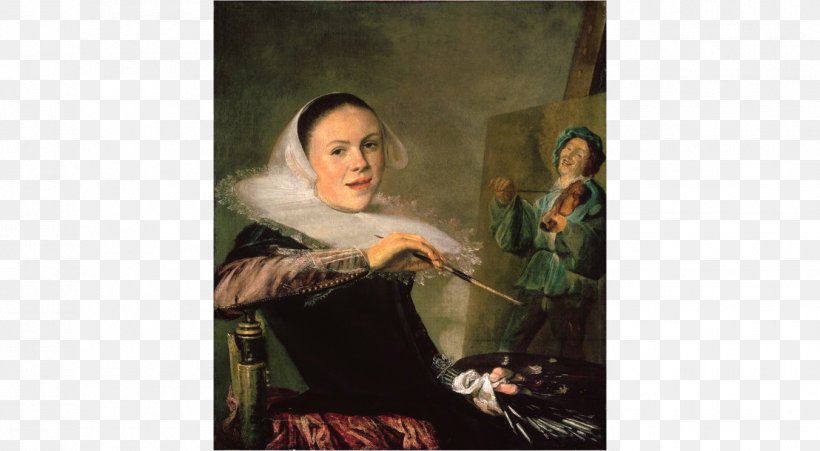
In this self-portrait, Judith Leyster presents herself as a confident and accomplished artist. Her gaze is direct, exuding a sense of self-assurance and determination. The play of light and shadow in the painting highlights her skillful use of chiaroscuro, adding depth and dimension to the composition.
Leyster’s choice of attire in the self-portrait is also noteworthy. She is depicted wearing a stylish outfit that reflects her social status as a successful artist. The intricate details of her clothing hint at her attention to craftsmanship and aesthetics.
What sets this self-portrait apart is the subtle symbolism embedded within the painting. The inclusion of a musical instrument in the background symbolizes creativity and passion, hinting at Leyster’s multifaceted talents beyond painting. The presence of the instrument adds another layer of complexity to the portrait, inviting viewers to ponder its significance.
Through her self-portrait, Judith Leyster invites us to contemplate not just her physical appearance but also her inner world – her aspirations, ambitions, and artistic vision. It serves as a testament to her legacy as a pioneering female artist who defied societal norms and made significant contributions to the art world.
As we admire this remarkable self-portrait by Judith Leyster, we are reminded of the enduring power of art to transcend time and connect us with the lives and stories of extraordinary artists who have left an indelible mark on history.
Exploring Judith Leyster’s Self-Portrait: Composition, Light, Identity, Emotion, and Artistic Context
- Study the composition of the self-portrait by Judith Leyster to understand how she positioned herself in the painting.
- Notice the use of light and shadow in the self-portrait to see how Leyster created depth and dimension in her depiction.
- Pay attention to the details of clothing and accessories in the self-portrait as they can provide insights into Leyster’s identity and social status.
- Observe the facial expression and gaze of Judith Leyster in the self-portrait to interpret her emotions or message she intended to convey.
- Compare Judith Leyster’s self-portrait with other works by female artists of her time to appreciate her unique style and contribution to art history.
Study the composition of the self-portrait by Judith Leyster to understand how she positioned herself in the painting.
To truly appreciate the self-portrait by Judith Leyster, it is essential to study the composition carefully to grasp how she positioned herself within the painting. Leyster’s deliberate placement within the frame, her posture, and the use of light and shadow all play a crucial role in conveying her confidence and artistic prowess. By analyzing the composition, viewers can gain insights into Leyster’s artistic choices and intentions, allowing them to engage more deeply with the painting and appreciate the nuances of her self-portrayal.
Notice the use of light and shadow in the self-portrait to see how Leyster created depth and dimension in her depiction.
In the self-portrait by Judith Leyster, a keen observation of the interplay between light and shadow reveals the artist’s masterful technique in creating depth and dimension within the composition. The strategic placement of light illuminates certain areas of the painting, while shadows add contrast and volume, giving the portrait a three-dimensional quality. Leyster’s skillful use of chiaroscuro not only enhances the realism of her depiction but also showcases her artistic prowess in manipulating light to evoke a sense of presence and vitality in the portrait.
Pay attention to the details of clothing and accessories in the self-portrait as they can provide insights into Leyster’s identity and social status.
In examining Judith Leyster’s self-portrait, it is essential to pay close attention to the intricacies of her clothing and accessories, as they offer valuable insights into her identity and social standing. The choice of attire in the portrait reflects Leyster’s deliberate presentation of herself as a successful and accomplished artist. The details of her garments and accessories not only showcase her sense of style and fashion but also hint at her elevated status within the artistic community. By analyzing these elements, viewers can gain a deeper understanding of Leyster’s persona and the societal context in which she lived and worked.
Observe the facial expression and gaze of Judith Leyster in the self-portrait to interpret her emotions or message she intended to convey.
In the self-portrait by Judith Leyster, a key tip for interpreting the artwork is to closely observe her facial expression and gaze. Leyster’s confident gaze and composed expression suggest a sense of self-assurance and determination. By studying her facial features, viewers can gain insight into the emotions and message she intended to convey through the painting. The directness of her gaze invites viewers to engage with her on a personal level, while the subtle nuances in her expression offer clues to her inner thoughts and artistic identity. Paying attention to these details enhances the viewer’s understanding of Leyster’s self-portrait and allows for a deeper appreciation of her artistic skill and narrative intent.
Compare Judith Leyster’s self-portrait with other works by female artists of her time to appreciate her unique style and contribution to art history.
To truly appreciate Judith Leyster’s self-portrait, it is insightful to compare her work with that of other female artists from the same era. By examining the distinct styles and techniques employed by female artists of her time, we can gain a deeper understanding of Leyster’s unique artistic vision and her significant contribution to art history. Through this comparative analysis, we can uncover the nuances and innovations that set Leyster apart, shedding light on her role as a trailblazing artist who defied conventions and left an indelible mark on the art world.