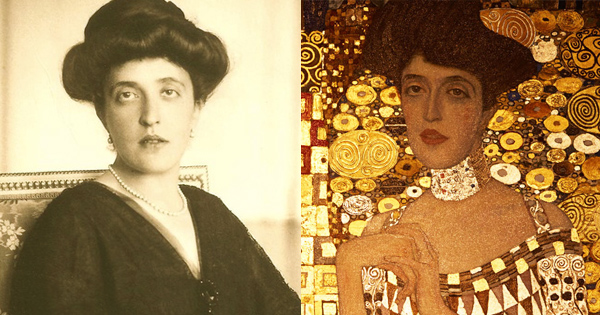
The Story Behind Gustav Klimt’s “Woman in Gold”
One of the most iconic and celebrated paintings in art history is Gustav Klimt’s “Woman in Gold.” This masterpiece, also known as “Portrait of Adele Bloch-Bauer I,” is a stunning example of Klimt’s renowned Golden Phase and symbolizes the height of Viennese Art Nouveau.
The Subject: Adele Bloch-Bauer
Adele Bloch-Bauer was a wealthy and influential woman in early 20th-century Vienna. She was a patron of the arts and a prominent figure in Viennese society. Klimt’s portrait captures Adele’s elegance, beauty, and sophistication, reflecting the opulence of the era.
The Golden Aesthetic
Klimt’s use of gold leaf in “Woman in Gold” is striking and symbolic. The shimmering gold background adds a sense of luxury and mystique to the painting, elevating Adele to an almost divine status. The intricate patterns and decorative elements further enhance the portrait’s allure.
Historical Significance
Despite its artistic brilliance, “Woman in Gold” has a tumultuous history. The painting was confiscated by the Nazis during World War II from its Jewish owners, including Adele Bloch-Bauer’s family. After decades of legal battles, the artwork was finally returned to its rightful heirs, becoming a symbol of justice and restitution for looted art.
Lingering Legacy
Today, “Woman in Gold” resides at the Neue Galerie in New York City, where it continues to captivate audiences with its beauty and historical significance. The painting serves as a reminder of both Klimt’s artistic genius and the enduring power of art to transcend time and adversity.
As admirers gaze upon “Woman in Gold,” they are not only witnessing a masterpiece but also connecting with a story of resilience, heritage, and cultural heritage that resonates far beyond the confines of a canvas.
Unveiling ‘Woman in Gold’: 5 Insights into Klimt’s Masterpiece and Its Remarkable History
- The painting ‘Woman in Gold’ was created by artist Gustav Klimt.
- It is also known as ‘Portrait of Adele Bloch-Bauer I’.
- The subject of the painting, Adele Bloch-Bauer, was a wealthy and influential woman in Vienna during the early 20th century.
- The painting is famous for its intricate gold leaf details and symbolism.
- It was the focus of a high-profile restitution case after being stolen by the Nazis during World War II.
The painting ‘Woman in Gold’ was created by artist Gustav Klimt.
The renowned painting ‘Woman in Gold’ holds a special place in art history as it was created by the talented artist Gustav Klimt. This masterpiece, also known as ‘Portrait of Adele Bloch-Bauer I,’ showcases Klimt’s artistic brilliance and his unique style that defined the Golden Phase of his career. Through this iconic artwork, Klimt immortalized the beauty and elegance of his subject, Adele Bloch-Bauer, capturing her essence with exquisite detail and symbolism. The painting continues to mesmerize viewers with its golden hues and intricate patterns, showcasing Klimt’s mastery of form and composition.
It is also known as ‘Portrait of Adele Bloch-Bauer I’.
The renowned painting “Woman in Gold” by Gustav Klimt is also recognized as the ‘Portrait of Adele Bloch-Bauer I’. This alternate title highlights the significance of the subject, Adele Bloch-Bauer, a prominent figure in early 20th-century Vienna. The use of her name in the title further emphasizes the personal connection and historical context surrounding the artwork, adding depth and meaning to its portrayal of elegance and opulence.
The subject of the painting, Adele Bloch-Bauer, was a wealthy and influential woman in Vienna during the early 20th century.
The subject of Gustav Klimt’s renowned painting “Woman in Gold,” Adele Bloch-Bauer, held a prominent position as a wealthy and influential figure in Vienna during the early 20th century. As a patron of the arts and a key member of Viennese high society, Adele embodied elegance and sophistication, making her an ideal muse for Klimt’s masterpiece. Her portrayal in the painting captures not just her physical beauty but also reflects the opulence and cultural richness of the era, showcasing her as a symbol of wealth and refinement in Viennese society.
The painting is famous for its intricate gold leaf details and symbolism.
The “Woman in Gold” painting is renowned for its exquisite use of intricate gold leaf details, which add a sense of opulence and sophistication to the artwork. The symbolism behind the golden elements in the painting enhances its depth and meaning, elevating the subject, Adele Bloch-Bauer, to a symbol of beauty and luxury. Gustav Klimt’s masterful incorporation of gold leaf not only showcases his artistic skill but also imbues the portrait with a timeless allure that continues to captivate audiences worldwide.
It was the focus of a high-profile restitution case after being stolen by the Nazis during World War II.
The “Woman in Gold” painting became the center of a high-profile restitution case following its theft by the Nazis during World War II. The legal battle to reclaim the artwork, which belonged to its Jewish owners, including Adele Bloch-Bauer’s family, spanned decades and highlighted the broader issue of looted art during the war. The case not only sought justice for the victims of Nazi plunder but also shed light on the importance of preserving cultural heritage and acknowledging the historical significance of artworks like “Woman in Gold.”