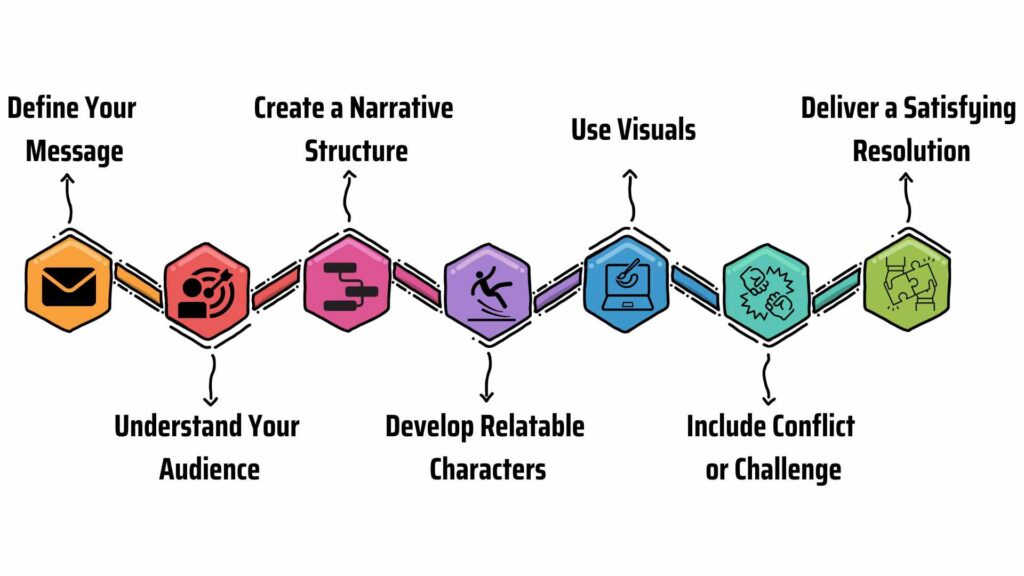
The Power of Video Storytelling
In today’s digital age, video storytelling has emerged as a powerful medium for conveying messages, evoking emotions, and engaging audiences. With the rise of social media platforms and online video content, businesses, organizations, and individuals are harnessing the power of video to connect with their target audience in a more compelling and impactful way.
Visual Impact
Video storytelling combines visuals, audio, and narrative to create a multi-sensory experience that resonates with viewers. Through dynamic visuals, captivating storytelling techniques, and emotional cues, videos have the ability to leave a lasting impression on the audience.
Emotional Connection
One of the key strengths of video storytelling is its ability to evoke emotions and create a strong connection with viewers. By incorporating elements such as music, sound effects, and visual cues, videos can elicit empathy, joy, sadness, or excitement in the audience, fostering a deeper emotional engagement.
Engagement and Shareability
Video content is highly engaging and shareable on social media platforms. With shorter attention spans and an abundance of information competing for attention online, videos have the advantage of capturing viewers’ interest quickly and holding their attention through compelling storytelling techniques.
Brand Awareness and Marketing
For businesses and organizations, video storytelling is an effective tool for building brand awareness and marketing products or services. By creating engaging video content that showcases their brand story, values, or offerings in a visually appealing way, companies can connect with their target audience on a personal level and drive engagement.
Educational Value
Video storytelling is also valuable in educational settings for conveying complex information in a more accessible and engaging format. Educational videos can simplify concepts, illustrate processes visually, and enhance learning outcomes by catering to different learning styles through a combination of visuals and narration.
In conclusion, video storytelling is a versatile medium that offers endless possibilities for creativity, communication, and engagement. Whether used for marketing purposes, entertainment value, educational content, or personal expression, videos have the power to captivate audiences and convey messages in a memorable way.
7 Essential Tips for Mastering Video Storytelling
- Start with a strong hook to grab the viewer’s attention.
- Focus on creating a coherent and engaging storyline.
- Use visuals effectively to enhance the storytelling experience.
- Incorporate music and sound effects to set the mood and tone of the video.
- Keep your videos concise and to the point to maintain viewer interest.
- Include a call-to-action at the end to encourage viewer engagement or interaction.
- Regularly analyze feedback and metrics to improve future video storytelling efforts.
Start with a strong hook to grab the viewer’s attention.
To create an engaging video story, it is essential to start with a strong hook that captivates the viewer’s attention from the very beginning. A compelling opening can set the tone for the entire narrative, drawing the audience in and piquing their curiosity. Whether it’s a surprising fact, a thought-provoking question, a visually striking scene, or an emotional moment, a strong hook establishes a connection with the viewer and entices them to keep watching. By starting with a captivating introduction, video storytellers can effectively engage their audience and ensure that their message resonates and leaves a lasting impact.
Focus on creating a coherent and engaging storyline.
When delving into video storytelling, it is essential to prioritize the development of a coherent and engaging storyline. A well-crafted narrative serves as the backbone of a compelling video, guiding viewers through a meaningful and impactful journey. By focusing on creating a storyline that flows seamlessly, captures attention, and resonates with the audience, storytellers can effectively convey their message and evoke emotions that leave a lasting impression. A coherent and engaging storyline not only enhances the overall quality of the video but also ensures that viewers are captivated from start to finish, fostering a deeper connection and understanding of the content being shared.
Use visuals effectively to enhance the storytelling experience.
To create a compelling video storytelling experience, it is essential to use visuals effectively to enhance the narrative and engage the audience on a deeper level. Visual elements such as imagery, graphics, animations, and cinematography can convey emotions, set the tone, and bring the story to life in a way that words alone cannot. By incorporating visually appealing elements that complement the storyline and evoke a strong emotional response, storytellers can captivate viewers and leave a lasting impact that resonates long after the video ends.
Incorporate music and sound effects to set the mood and tone of the video.
In video storytelling, incorporating music and sound effects plays a crucial role in setting the mood and tone of the narrative. By carefully selecting the right music tracks and sound effects that complement the visuals and enhance the storyline, creators can evoke specific emotions, create suspense, or build tension within the video. The auditory elements not only add depth to the storytelling but also engage viewers on a sensory level, making the viewing experience more immersive and memorable. By leveraging music and sound effects effectively, storytellers can amplify the impact of their videos and leave a lasting impression on their audience.
Keep your videos concise and to the point to maintain viewer interest.
To effectively engage viewers and hold their attention, it is crucial to keep your videos concise and to the point. By delivering your message succinctly and eliminating any unnecessary content, you can maintain viewer interest throughout the video. A clear and focused narrative ensures that viewers remain engaged with the story you are telling, increasing the likelihood of them watching the video until the end. Remember, in the world of video storytelling, brevity is key to capturing and retaining audience attention.
Include a call-to-action at the end to encourage viewer engagement or interaction.
To enhance viewer engagement and encourage interaction, it is essential to include a compelling call-to-action at the end of a video storytelling piece. A well-crafted call-to-action prompts viewers to take a specific action, such as subscribing to a channel, visiting a website, sharing the video, or leaving comments. By incorporating a clear and concise call-to-action, content creators can guide their audience towards further engagement with the video’s message or brand, fostering a deeper connection and driving desired outcomes.
Regularly analyze feedback and metrics to improve future video storytelling efforts.
Regularly analyzing feedback and metrics is crucial for enhancing future video storytelling efforts. By paying close attention to audience reactions, engagement levels, and key performance indicators, content creators can gain valuable insights into what resonates with viewers and what areas need improvement. This data-driven approach allows storytellers to fine-tune their storytelling techniques, optimize content strategies, and deliver more impactful videos that effectively connect with their target audience. Continuous evaluation and adaptation based on feedback and metrics are essential for evolving and refining video storytelling practices to achieve greater success and engagement in the digital landscape.