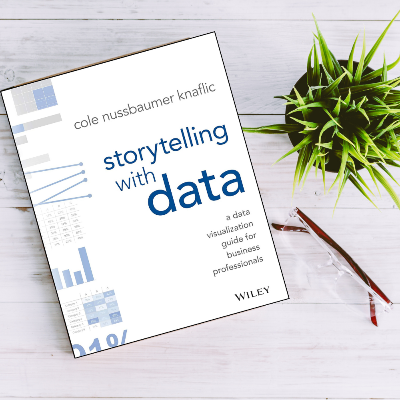
The Art of Storytelling with Data
Data is more than just numbers and figures; it is a powerful tool for storytelling. In today’s data-driven world, the ability to convey a compelling narrative through data is essential for effective communication and decision-making.
Creating a Narrative
Storytelling with data involves transforming raw information into a coherent and engaging story. By organizing data points into a meaningful sequence, we can highlight trends, insights, and correlations that might otherwise go unnoticed. This narrative approach helps to make complex data more accessible and impactful.
Visualizing the Story
Visual elements play a crucial role in storytelling with data. Charts, graphs, infographics, and other visual representations help to bring the story to life and make it easier for the audience to understand and remember key messages. Effective data visualization enhances comprehension and retention, making the story more compelling.
Engaging the Audience
Engagement is key to successful storytelling with data. By presenting information in a clear, concise, and visually appealing manner, we can capture the audience’s attention and keep them invested in the story being told. Interactive elements such as animations or clickable features can further enhance engagement and encourage exploration of the data.
Driving Decisions
The ultimate goal of storytelling with data is to drive informed decision-making. By presenting data in a narrative format that resonates with the audience, we can influence perceptions, inspire action, and guide strategic choices. When done effectively, storytelling with data can empower individuals and organizations to make better decisions based on evidence and insights.
In conclusion, storytelling with data is an art form that combines analytical rigor with creative expression. By crafting compelling narratives through visualizations and engaging presentations, we can unlock the full potential of data as a tool for communication, persuasion, and transformation.
9 Essential Tips for Crafting Compelling Data Stories
- Start with a clear objective for your data story.
- Simplify complex data to make it easily understandable.
- Use appropriate visualizations to enhance the story.
- Provide context and background information for better comprehension.
- Ensure accuracy and reliability of the data presented.
- ‘Show, don’t tell’ by letting the data speak for itself through visuals.
- Engage your audience by creating a narrative around the data.
- Keep your data story focused and concise.
- Conclude with key takeaways or actionable insights.
Start with a clear objective for your data story.
When embarking on the journey of storytelling with data, it is crucial to begin with a clear objective for your data story. Establishing a well-defined goal ensures that your narrative remains focused and purposeful, guiding the selection of relevant data points and shaping the overall structure of your story. By identifying the key message you want to convey from the outset, you set a solid foundation for crafting a compelling and impactful data-driven narrative that resonates with your audience and drives meaningful insights and actions.
Simplify complex data to make it easily understandable.
To effectively convey a story with data, it is essential to simplify complex information to ensure easy comprehension. By distilling intricate data sets into clear and concise visuals or narratives, we can make the information more accessible and understandable to a wider audience. Simplification helps to remove clutter and focus on the key insights, enabling viewers to grasp the main message without being overwhelmed by unnecessary details. This approach not only enhances the impact of the storytelling but also empowers individuals to extract meaningful conclusions from the data presented.
Use appropriate visualizations to enhance the story.
To effectively convey a story with data, it is crucial to use appropriate visualizations that enhance the narrative. Choosing the right charts, graphs, and infographics can help clarify complex information, highlight key insights, and engage the audience more effectively. By selecting visual representations that align with the data being presented and the story being told, we can ensure that the message is communicated clearly and compellingly. Visualizations not only make the data more accessible but also add depth and impact to the storytelling process, ultimately enriching the audience’s understanding and connection to the story being shared.
Provide context and background information for better comprehension.
To enhance comprehension when storytelling with data, it is crucial to provide context and background information. By setting the stage and explaining the significance of the data being presented, audiences can better understand the narrative and its implications. Contextual details help to frame the data within a broader perspective, making it easier for viewers to grasp the story behind the numbers. This approach not only improves understanding but also fosters deeper engagement and appreciation for the insights being shared.
Ensure accuracy and reliability of the data presented.
It is crucial to ensure the accuracy and reliability of the data presented when storytelling with data. The integrity of the narrative hinges on the quality of the underlying information. By verifying sources, cross-referencing data points, and conducting thorough checks for errors or inconsistencies, we can build trust with our audience and uphold the credibility of our story. Accurate and reliable data not only strengthens the narrative but also enhances its impact, enabling informed decision-making based on sound evidence.
‘Show, don’t tell’ by letting the data speak for itself through visuals.
In the realm of storytelling with data, the principle of ‘Show, don’t tell’ reigns supreme. By allowing the data to speak for itself through compelling visuals, we can convey complex information in a more impactful and accessible manner. Visual representations such as charts, graphs, and infographics not only enhance the clarity and understanding of the data but also engage the audience on a deeper level. Through visual storytelling, we can let the data take center stage, guiding the narrative and revealing insights that resonate with viewers without the need for excessive explanation.
Engage your audience by creating a narrative around the data.
To effectively engage your audience when storytelling with data, it is crucial to create a compelling narrative that weaves through the information presented. By framing the data within a coherent and engaging story, you can capture the attention of your audience and make the insights more relatable and memorable. A well-crafted narrative not only helps to contextualize the data but also evokes emotions, sparks curiosity, and encourages active participation from the audience. This approach transforms data from mere numbers into a captivating story that resonates with your viewers and drives meaningful understanding and action.
Keep your data story focused and concise.
When telling a story with data, it is crucial to keep your narrative focused and concise. By highlighting the most relevant and impactful data points, you can ensure that your message is clear and easily understood by your audience. Avoid overwhelming them with unnecessary details and instead, craft a streamlined story that delivers key insights effectively. A focused and concise data story not only captures attention but also enhances comprehension, making it more likely to resonate with your audience and drive meaningful outcomes.
Conclude with key takeaways or actionable insights.
In the realm of storytelling with data, a crucial tip is to always conclude with key takeaways or actionable insights. By summarizing the main points and highlighting the key messages derived from the data narrative, you provide clarity and direction to your audience. These takeaways serve as actionable insights that can guide decision-making, spark discussions, and inspire further exploration of the data presented. Ending your storytelling with a strong conclusion that encapsulates the essence of the story empowers your audience to extract meaningful value from the information shared.