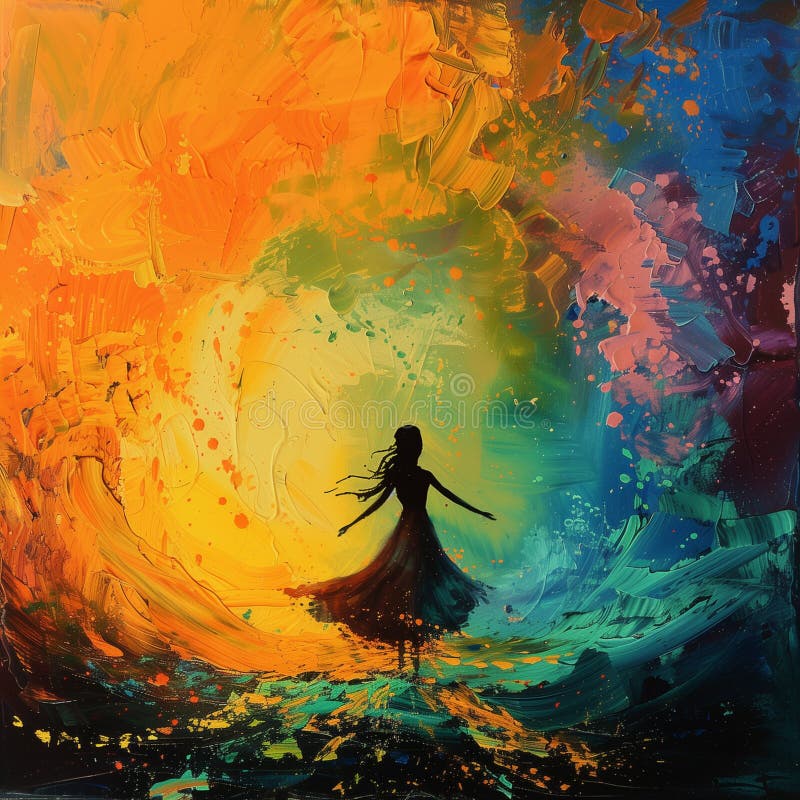
The Art of Silhouette Painting
Silhouette painting is a timeless art form that captures the beauty of simplicity and elegance. Originating in the 18th century, silhouettes have been a popular way to create striking portraits and scenes using just the outline of a subject against a contrasting background.
One of the defining features of silhouette painting is its focus on shape and form, rather than intricate details. By highlighting the silhouette of a subject, artists can convey emotion, movement, and personality in a minimalistic yet powerful manner.
Traditionally, silhouettes were created by cutting out profiles from black paper or cardstock and mounting them on a light-colored background. Today, artists also use various techniques such as painting, drawing, or digital manipulation to achieve stunning silhouette effects.
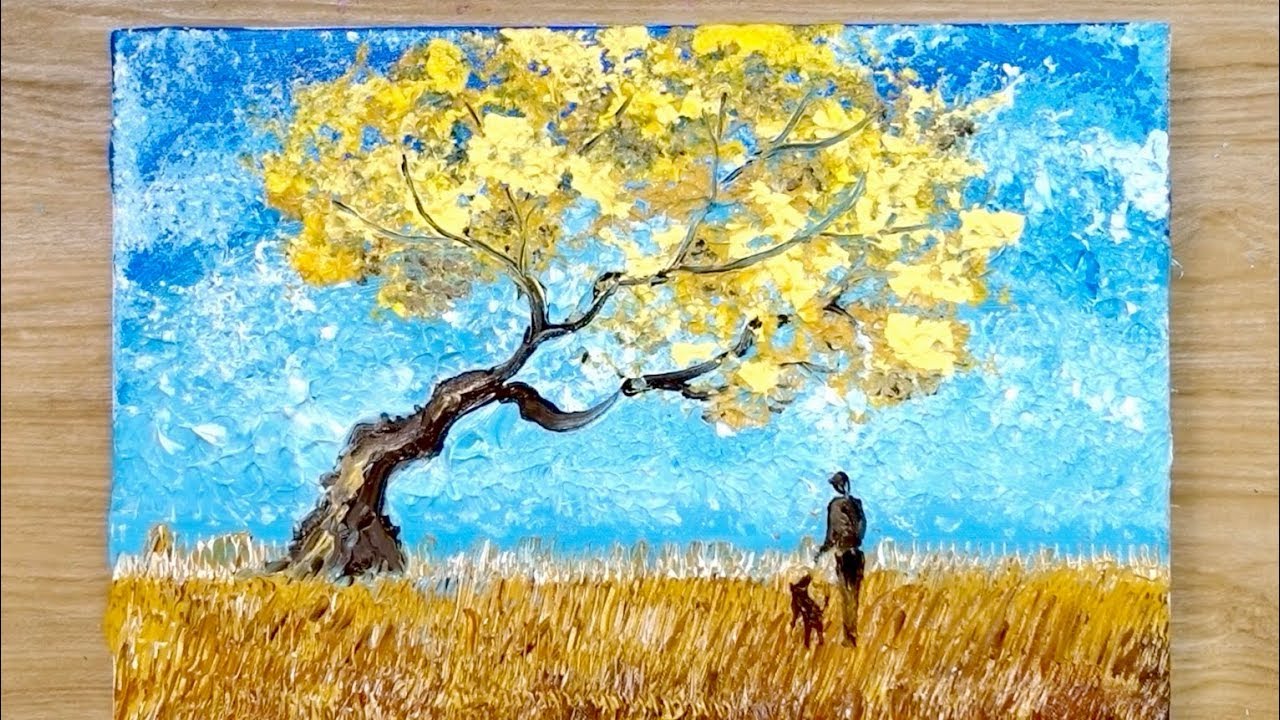
Silhouette painting offers endless creative possibilities. Artists can experiment with different poses, compositions, and backgrounds to convey their artistic vision. Whether depicting human figures, animals, nature scenes, or abstract shapes, silhouettes can evoke a wide range of emotions and narratives.
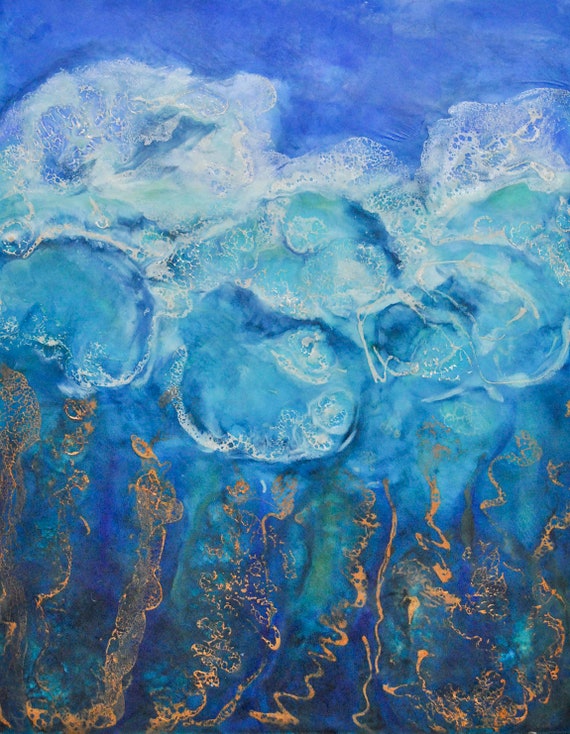
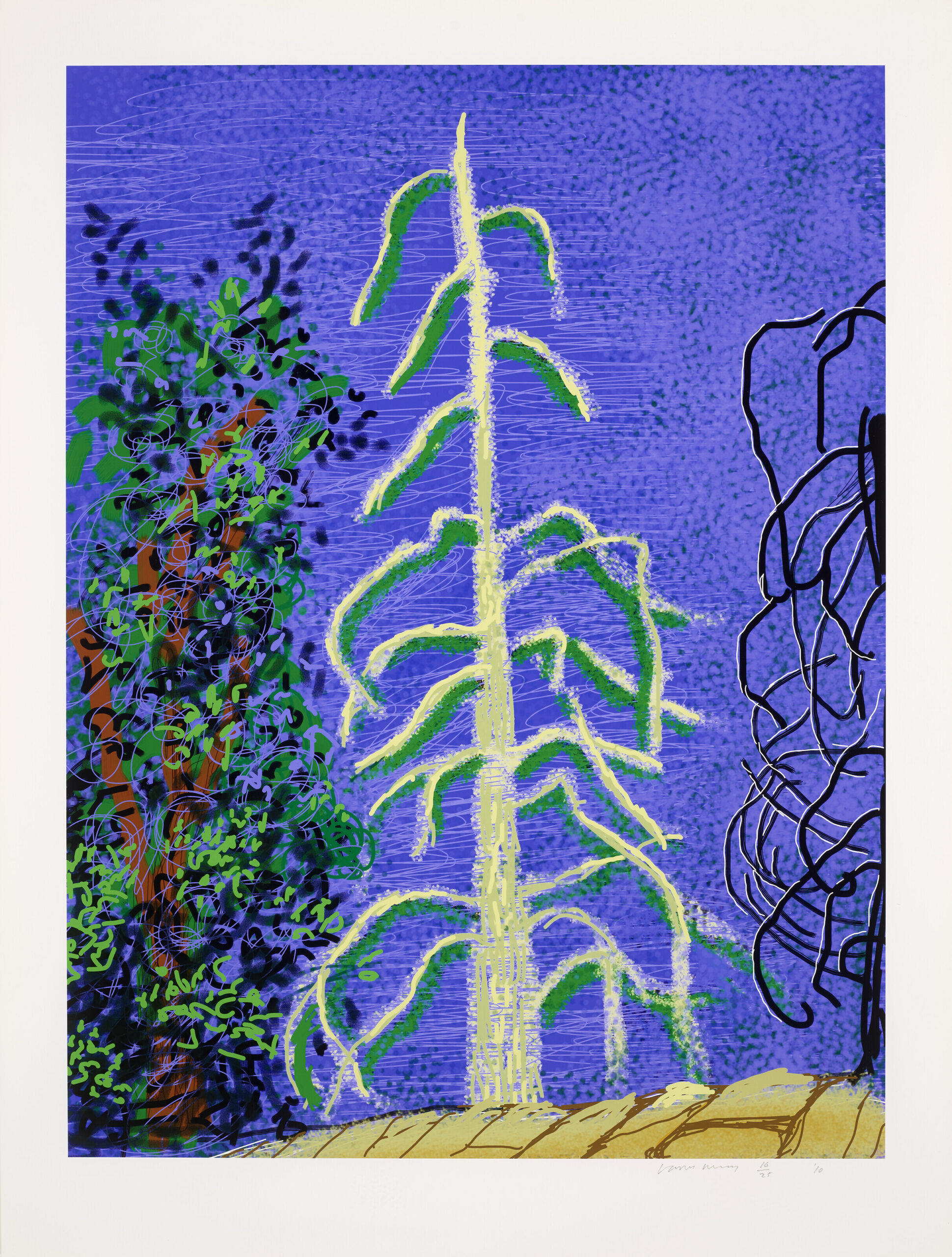
Many contemporary artists continue to explore and innovate within the realm of silhouette painting. From classic black-and-white silhouettes to colorful and textured interpretations, this art form remains relevant and captivating in today’s diverse art landscape.
Whether you are an art enthusiast or an aspiring artist, exploring the world of silhouette painting can be a rewarding journey filled with creativity and inspiration. Embrace the beauty of simplicity and discover the magic of silhouettes in art.
Mastering Silhouette Painting: 7 Essential Tips for Stunning Artwork
- Choose a simple and recognizable subject for your silhouette painting.
- Use contrasting colors to create a striking silhouette effect.
- Focus on the outline of the subject to emphasize its shape and form.
- Experiment with different light sources to create interesting shadows in your silhouette painting.
- Consider using stencils or tracing paper to achieve precise silhouettes.
- Keep the background simple to make the silhouette stand out more effectively.
- Practice layering techniques to add depth and dimension to your silhouette painting.
Choose a simple and recognizable subject for your silhouette painting.
When creating a silhouette painting, it is essential to choose a simple and recognizable subject. By selecting a subject that is easily identifiable in silhouette form, such as a person, animal, or object with distinct features, you can effectively convey the essence of the subject without the need for intricate details. This approach not only enhances the visual impact of the artwork but also allows viewers to instantly connect with the image and appreciate the beauty of its simplified form.
Use contrasting colors to create a striking silhouette effect.
When creating silhouette paintings, utilizing contrasting colors can enhance the impact of the artwork and achieve a striking silhouette effect. By pairing bold, vibrant colors for the background with a solid black or dark silhouette, artists can create a visually dynamic composition that captivates the viewer’s attention. The contrast between light and dark hues adds depth and drama to the silhouette, emphasizing its shape and form against the backdrop. This technique not only elevates the overall aesthetic appeal of the painting but also highlights the beauty of simplicity in silhouette art.
Focus on the outline of the subject to emphasize its shape and form.
When creating silhouette paintings, it is essential to focus on the outline of the subject to emphasize its shape and form. By highlighting the silhouette’s contours and edges, artists can effectively convey the essence of the subject without the need for intricate details. This emphasis on shape allows for a powerful visual impact, capturing the essence and character of the subject in a minimalist yet expressive manner. Through careful attention to the outline, artists can bring depth, movement, and emotion to their silhouette paintings, creating compelling artworks that resonate with viewers on a profound level.
Experiment with different light sources to create interesting shadows in your silhouette painting.
Experimenting with different light sources can add a dynamic element to your silhouette painting by creating intriguing shadows that enhance the overall composition. By playing with natural or artificial lighting angles, intensities, and colors, you can achieve unique effects that bring depth and dimension to your artwork. These varied shadows not only emphasize the silhouette shapes but also contribute to the mood and atmosphere of the piece, making it more visually engaging and captivating for viewers. Don’t be afraid to explore the interplay between light and shadow in your silhouette paintings to unlock new creative possibilities and elevate your artistic expression.
Consider using stencils or tracing paper to achieve precise silhouettes.
When delving into the art of silhouette painting, artists can enhance their precision and accuracy by utilizing stencils or tracing paper. These tools offer a practical way to achieve clean and well-defined silhouettes, ensuring that the outlines of subjects are sharp and consistent. By incorporating stencils or tracing paper into the creative process, artists can streamline their workflow and focus on capturing the essence of their subjects with greater detail and control.
Keep the background simple to make the silhouette stand out more effectively.
When creating silhouette paintings, it is essential to keep the background simple to enhance the impact of the silhouette. By using a minimalist or plain background, the silhouette can stand out more effectively and draw the viewer’s attention to the shape and form of the subject. The contrast between the silhouette and the background creates a striking visual composition that highlights the beauty and elegance of this art form. Simplifying the background allows the silhouette to take center stage, conveying emotion and storytelling with clarity and power.
Practice layering techniques to add depth and dimension to your silhouette painting.
To enhance the visual impact of your silhouette painting, it is advisable to practice layering techniques that can introduce depth and dimension to your artwork. By strategically layering colors, textures, or patterns, you can create a sense of volume and complexity within the silhouette, elevating it from a simple outline to a rich and engaging composition. Experimenting with different layering methods allows you to play with light and shadow, highlight focal points, and infuse your artwork with a dynamic quality that captivates the viewer’s eye. Mastering layering techniques in silhouette painting opens up a world of creative possibilities and enables you to bring your artistic vision to life in a more nuanced and compelling way.