The Timeless Beauty of Sculpture Art
Sculpture art, one of the oldest forms of artistic expression, continues to captivate and inspire audiences around the world. From ancient civilizations to modern-day masterpieces, sculptures have played a significant role in shaping our cultural landscape and preserving history.
A Medium of Endless Possibilities
What sets sculpture art apart is its ability to transform raw materials into three-dimensional masterpieces that engage our senses and emotions. Sculptors use various materials such as marble, bronze, wood, and clay to create intricate forms that convey meaning and beauty.
Exploring Themes and Emotions
Through sculpture art, artists explore a wide range of themes and emotions, from love and loss to power and vulnerability. Each sculpture tells a unique story, inviting viewers to contemplate its message and connect with the artist’s vision.
From Classic to Contemporary
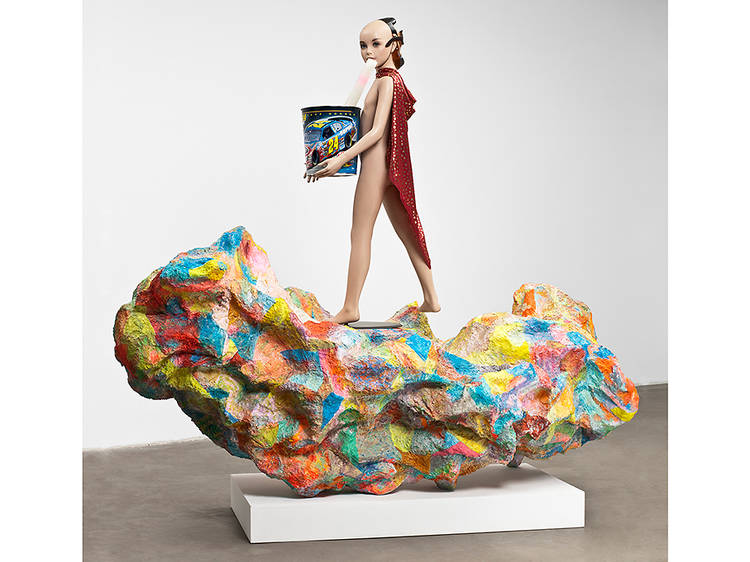
While classical sculptures such as Michelangelo’s David or Rodin’s The Thinker continue to inspire awe with their timeless beauty, contemporary sculptors push the boundaries of traditional techniques to create innovative and thought-provoking artworks.
Public Art and Cultural Heritage
Sculptures often adorn public spaces, parks, and museums, enriching our urban environments and preserving our cultural heritage. Public sculptures serve as landmarks that celebrate history, commemorate important events, or simply beautify our surroundings.
The Impact of Sculpture Art
Whether large-scale installations or small-scale figurines, sculpture art has a profound impact on society by sparking conversations, evoking emotions, and challenging perceptions. It invites us to see the world from a different perspective and appreciate the beauty of form and structure.
As we continue to admire and support sculptors around the globe, let us celebrate the enduring legacy of sculpture art and its ability to inspire generations to come.
Mastering the Art of Sculpture: 8 Essential Tips for Aspiring Sculptors
- Study the fundamentals of sculpture, such as form, space, and composition.
- Experiment with different materials like clay, wood, metal, and stone to discover your preferred medium.
- Practice sketching your ideas before starting a sculpture to plan out the design.
- Learn from master sculptors by studying their techniques and styles.
- Don’t be afraid to make mistakes; they can lead to new creative discoveries.
- Consider the environment where your sculpture will be displayed to enhance its impact.
- Take breaks during long sculpting sessions to avoid fatigue and maintain focus.
- Attend workshops or classes to improve your skills and learn new sculpting methods.
Study the fundamentals of sculpture, such as form, space, and composition.
To excel in sculpture art, it is essential to study the fundamentals of the craft, including form, space, and composition. Understanding how these elements interact and influence each other is crucial in creating impactful and visually appealing sculptures. Mastery of form allows sculptors to manipulate shapes and contours to convey meaning and emotion. Space consideration helps in determining how the sculpture occupies its surroundings and engages with the viewer. Composition plays a vital role in balancing elements within the sculpture to create harmony and visual interest. By delving deep into these fundamentals, sculptors can elevate their work to new heights of creativity and expression.
Experiment with different materials like clay, wood, metal, and stone to discover your preferred medium.
Experimenting with various materials such as clay, wood, metal, and stone is a valuable tip for sculptors looking to explore their creativity and find their preferred medium. Each material offers unique properties and challenges that can influence the final outcome of a sculpture. By experimenting with different mediums, artists can discover which material resonates most with their artistic vision and allows them to express themselves most effectively. This process of exploration not only enhances technical skills but also opens up new possibilities for artistic expression and innovation in the world of sculpture art.
Practice sketching your ideas before starting a sculpture to plan out the design.
To enhance your sculpting process, it is advisable to practice sketching your ideas before embarking on a sculpture. Sketching allows you to visualize and plan out the design, helping you refine your concepts and explore different possibilities before working with the actual materials. By sketching your ideas beforehand, you can better understand the proportions, details, and overall composition of your sculpture, ensuring a more structured and effective approach to bringing your artistic vision to life in three dimensions.
Learn from master sculptors by studying their techniques and styles.
To excel in the art of sculpture, aspiring artists can benefit greatly from studying the techniques and styles of master sculptors. By closely examining the works of renowned sculptors, one can gain valuable insights into the creative process, craftsmanship, and artistic vision that define their masterpieces. Learning from the expertise of these seasoned artists not only enhances technical skills but also inspires a deeper understanding of form, composition, and expression in sculpture art. Embracing the wisdom passed down by master sculptors paves the way for personal growth and artistic development in this timeless and captivating art form.
Don’t be afraid to make mistakes; they can lead to new creative discoveries.
In the realm of sculpture art, it is essential not to fear making mistakes, as they can often pave the way for new and unexpected creative discoveries. Embracing the unknown and allowing room for experimentation can spark innovation and push artists to explore uncharted territories in their artistic journey. By viewing mistakes as opportunities for growth rather than setbacks, sculptors can uncover hidden potential and unlock fresh perspectives that enrich their work with unique insights and originality.
Consider the environment where your sculpture will be displayed to enhance its impact.
When creating a sculpture, it is essential to consider the environment in which it will be displayed to maximize its impact. The surroundings play a crucial role in how the sculpture is perceived and appreciated by viewers. Factors such as lighting, space, and architectural elements can either complement or detract from the artwork. By carefully selecting the location and setting for your sculpture, you can enhance its visual appeal and create a harmonious relationship between the artwork and its environment, allowing it to truly shine and captivate its audience.
Take breaks during long sculpting sessions to avoid fatigue and maintain focus.
Taking breaks during long sculpting sessions is essential to prevent fatigue and sustain focus. Sculpting is a meticulous and physically demanding process that requires concentration and precision. By stepping away from the work periodically, sculptors can rejuvenate their minds and bodies, allowing them to return to the art with renewed energy and clarity. These breaks not only help prevent burnout but also enable artists to maintain a high level of craftsmanship throughout the creative process.
Attend workshops or classes to improve your skills and learn new sculpting methods.
To enhance your proficiency in sculpture art and broaden your sculpting techniques, consider attending workshops or classes. These educational opportunities provide a platform to refine your skills, gain insights from experienced instructors, and explore innovative sculpting methods. By immersing yourself in a learning environment dedicated to sculpture art, you can expand your creative horizons and cultivate a deeper understanding of this timeless artistic discipline.