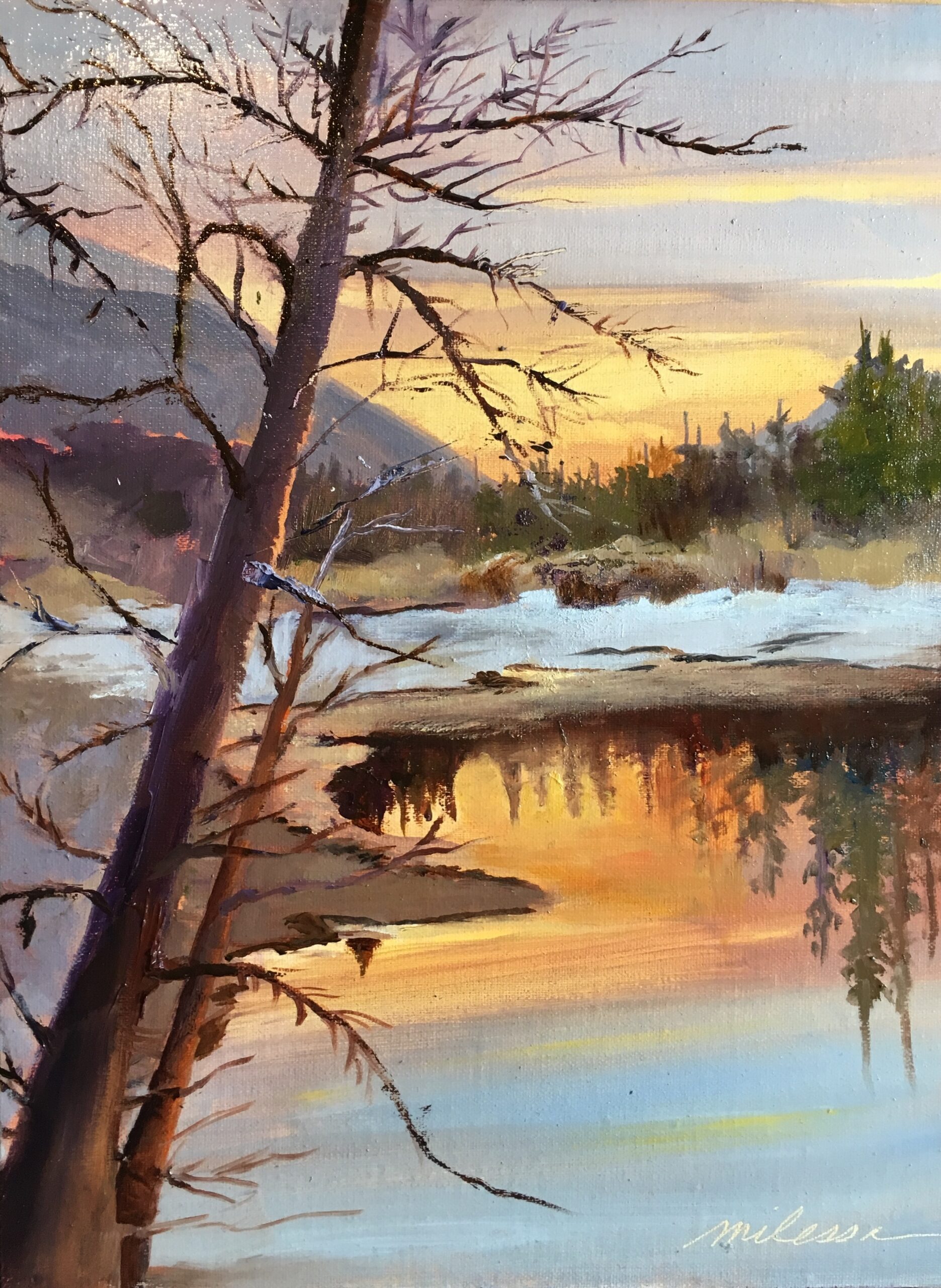
The Beauty of Plein Air Painting
Plein air painting, a French term that translates to “open air,” refers to the practice of creating art outdoors, directly from the natural landscape. This artistic tradition has been embraced by painters for centuries, capturing the beauty and essence of the world around us in real-time.
One of the key aspects of plein air painting is its emphasis on capturing natural light and atmosphere. Artists immerse themselves in the environment, allowing them to observe and interpret the colors, shapes, and textures that change with the passing hours and seasons. This direct connection with nature brings a sense of immediacy and authenticity to their work.
Through plein air painting, artists are able to convey not just what they see but also what they feel. The act of painting outdoors allows them to experience the sights, sounds, and smells of their surroundings, infusing their artwork with a sense of vitality and emotion that can be lacking in studio-based work.
Furthermore, plein air painting offers artists a unique challenge – to capture the fleeting moments of nature’s beauty before they disappear. This requires quick decision-making, spontaneity, and adaptability as they work against changing light conditions and weather patterns. The result is often a dynamic and expressive representation of the landscape.
Today, plein air painting continues to thrive as artists seek to connect with nature in an increasingly digital world. It provides a refreshing break from technology and screens, allowing painters to slow down, appreciate their surroundings, and create art that celebrates the beauty of our natural world.
Whether you’re an artist looking to explore new creative avenues or an art enthusiast seeking a deeper connection with nature through visual expression, plein air painting offers a rich and rewarding experience that captures the essence of our environment in its purest form.
Exploring Plein Air Painting: Essential Tools, Techniques, and Historical Insights
- What do I need for plein air painting?
- What is the meaning of plein air painting?
- What is plein air painting technique?
- Did Van Gogh paint en plein air?
What do I need for plein air painting?
When embarking on plein air painting, it is essential to gather a few key supplies to ensure a successful outdoor painting experience. Firstly, artists will need a portable easel or painting surface that is lightweight and sturdy enough to withstand outdoor conditions. A selection of high-quality brushes, paints, and a palette are necessary for capturing the colors and textures of the landscape. Additionally, bringing along a collapsible chair for comfort, a hat and sunscreen for sun protection, and a water bottle for hydration are recommended. Lastly, don’t forget to pack some paper towels or rags for cleaning brushes and surfaces, as well as a small sketchbook or camera for capturing initial impressions and reference images. With these basic supplies in hand, artists can fully immerse themselves in the beauty of plein air painting and create art that resonates with the natural world around them.
What is the meaning of plein air painting?
Plein air painting, derived from the French term “en plein air,” translates to “in the open air.” It refers to the artistic practice of creating artwork outdoors, directly from nature’s landscapes. This approach allows artists to capture the essence and beauty of their surroundings in real-time, emphasizing the play of natural light and atmosphere on the scene. By immersing themselves in the environment, artists can translate their observations into vibrant and authentic artworks that reflect not only what they see but also what they feel in that moment. The tradition of plein air painting embodies a deep connection between art and nature, offering a unique perspective on the world around us through the artist’s eyes and brushstrokes.
What is plein air painting technique?
The plein air painting technique involves creating art outdoors, directly from the natural landscape. Artists who practice plein air painting immerse themselves in the environment, capturing the colors, light, and atmosphere of their surroundings in real-time. This technique emphasizes spontaneity, observation, and a direct connection with nature to convey a sense of immediacy and authenticity in the artwork. Plein air painters often work quickly to capture the ever-changing elements of the landscape, such as shifting light conditions and weather patterns, resulting in dynamic and expressive representations of the natural world.
Did Van Gogh paint en plein air?
The question of whether Vincent van Gogh painted en plein air is a topic of debate among art historians and enthusiasts. While Van Gogh is known for his vibrant and expressive landscapes, he did not strictly adhere to the traditional practice of plein air painting. Instead, he often worked from memory or sketches made outdoors, incorporating his emotional response to nature into his compositions. Van Gogh’s unique approach to capturing the essence of the natural world through bold colors and dynamic brushwork has left a lasting impact on the art world, regardless of whether he painted en plein air in the traditional sense.