
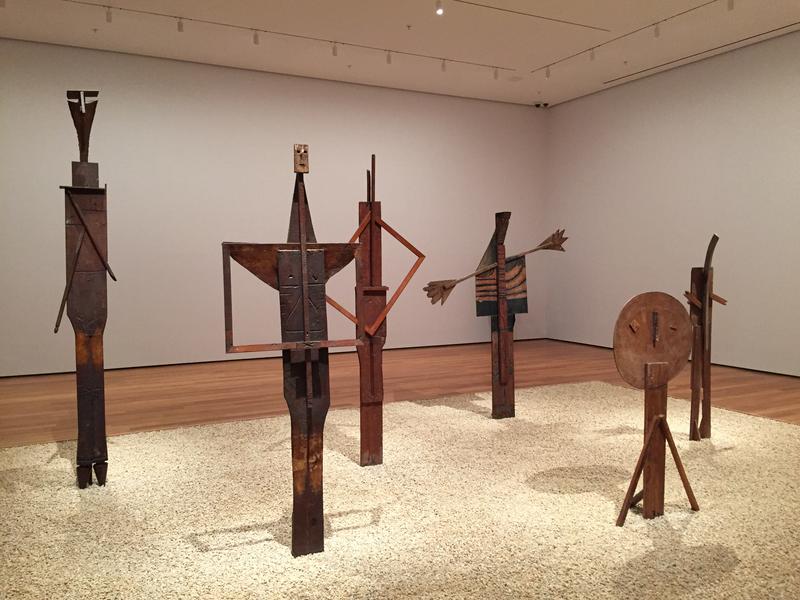
The Art of Picasso Sculpture
Pablo Picasso, known for his revolutionary contributions to modern art, also delved into the world of sculpture with equal brilliance and innovation. While he is most famous for his paintings, Picasso’s sculptures offer a unique insight into his creative genius and artistic vision.
Innovative Techniques
Unlike traditional sculptors, Picasso approached sculpting with a fresh perspective, often using unconventional materials such as wood, metal, and found objects. His sculptures exhibit a sense of spontaneity and experimentation, reflecting his cubist style and abstract forms.
Capturing Movement and Emotion
Picasso’s sculptures are not just static representations but dynamic expressions of movement and emotion. Through the manipulation of form and space, he was able to convey a sense of energy and vitality in his sculptural works.
Exploration of Themes
Themes of love, war, mythology, and the human figure are prevalent in Picasso’s sculptures. Each piece tells a story or conveys a message that resonates with viewers on a deep emotional level. His ability to infuse meaning into every curve and angle sets his sculptures apart as masterpieces of modern art.
Lingering Influence
Even today, Picasso’s sculptures continue to inspire artists around the world. His innovative techniques and bold artistic choices have left an indelible mark on the world of sculpture, challenging conventions and pushing boundaries in ways that continue to captivate audiences.
Discover the captivating world of Picasso sculpture and immerse yourself in the creativity and vision of one of the greatest artists of the 20th century.
Exploring Picasso’s Sculptures: Materials, Style, Themes, and Impact on Modern Art
- 1. What materials did Picasso use in his sculptures?
- 2. How did Picasso’s sculptural style differ from traditional sculptors?
- 3. What themes did Picasso explore in his sculptural works?
- 4. How did Picasso infuse movement and emotion into his sculptures?
- 5. What is the significance of Picasso’s sculptures in the art world?
- 6. Are there any famous or iconic Picasso sculptures that are widely recognized?
- 7. How has Picasso’s influence shaped modern sculpture?
1. What materials did Picasso use in his sculptures?
Pablo Picasso, renowned for his groundbreaking contributions to modern art, employed a diverse array of materials in his sculptures that set him apart as a visionary artist. Picasso’s innovative approach to sculpture saw him utilizing unconventional mediums such as wood, metal, clay, and found objects to create his iconic works. By incorporating these varied materials into his sculptural pieces, Picasso was able to infuse them with a sense of dynamism and experimentation that mirrored his cubist style and abstract forms. This bold use of materials not only showcased Picasso’s artistic versatility but also contributed to the enduring allure and significance of his sculptural creations in the realm of contemporary art.
2. How did Picasso’s sculptural style differ from traditional sculptors?
Pablo Picasso’s sculptural style diverged significantly from that of traditional sculptors in various ways. Unlike conventional sculptors who often focused on realistic representation and adherence to classical forms, Picasso embraced a more experimental and abstract approach in his sculptures. He utilized unconventional materials, such as wood, metal, and found objects, and incorporated elements of cubism into his work, breaking away from the constraints of traditional techniques. Picasso’s sculptures were characterized by a sense of spontaneity, movement, and emotion, challenging the norms of sculpture at the time and paving the way for a new era of artistic expression in three-dimensional form.
3. What themes did Picasso explore in his sculptural works?
Pablo Picasso explored a wide range of themes in his sculptural works, showcasing his versatility and depth as an artist. Some of the prominent themes that Picasso delved into include love, war, mythology, and the human figure. Through his sculptures, he expressed complex emotions and narratives related to these themes, infusing each piece with a profound sense of meaning and symbolism. Picasso’s ability to capture the essence of these themes through innovative sculptural techniques and abstract forms has solidified his reputation as a master artist whose work continues to resonate with audiences worldwide.
4. How did Picasso infuse movement and emotion into his sculptures?
Picasso infused movement and emotion into his sculptures through his innovative manipulation of form and space. By breaking away from traditional sculpting techniques, he created dynamic pieces that captured the essence of energy and vitality. Through the careful arrangement of shapes and angles, Picasso was able to convey a sense of motion and emotion in his sculptures, bringing them to life in a way that resonated deeply with viewers. His ability to imbue each sculpture with a narrative or message further enhanced the emotional impact, making his works not just static representations but powerful expressions of human experience.
5. What is the significance of Picasso’s sculptures in the art world?
The significance of Picasso’s sculptures in the art world lies in their revolutionary approach to form, expression, and material. Picasso’s sculptures challenged traditional notions of sculpture by embracing unconventional materials and techniques, such as cubist abstraction and found objects. His sculptural works not only expanded the boundaries of artistic expression but also influenced generations of artists to think beyond conventional norms. By capturing movement, emotion, and themes with unparalleled creativity, Picasso’s sculptures continue to be revered for their profound impact on modern art and their enduring legacy in shaping the artistic landscape.
6. Are there any famous or iconic Picasso sculptures that are widely recognized?
Certainly! One of the most famous and iconic Picasso sculptures that are widely recognized is “Bull’s Head.” Created in 1942, this sculpture is a striking example of Picasso’s innovative approach to art. Using a bicycle seat and handlebars, Picasso transformed these everyday objects into a powerful representation of a bull’s head, showcasing his ability to see art in unconventional materials. “Bull’s Head” is celebrated for its simplicity and creativity, making it a standout piece in Picasso’s sculptural repertoire and a symbol of his artistic genius.
7. How has Picasso’s influence shaped modern sculpture?
Picasso’s influence has had a profound impact on shaping modern sculpture in numerous ways. His innovative approach to form, materials, and techniques challenged traditional norms and paved the way for a new era of artistic expression. By pushing the boundaries of what sculpture could be, Picasso inspired generations of artists to explore unconventional methods and embrace experimentation. His ability to infuse emotion and movement into his sculptures revolutionized the art form, encouraging artists to move beyond mere representation and delve into deeper layers of meaning and symbolism. Picasso’s legacy continues to resonate in contemporary sculpture, where his spirit of creativity and innovation lives on in the work of artists seeking to push the boundaries of artistic expression.

