The Artistry of Pablo Picasso’s Sculptures
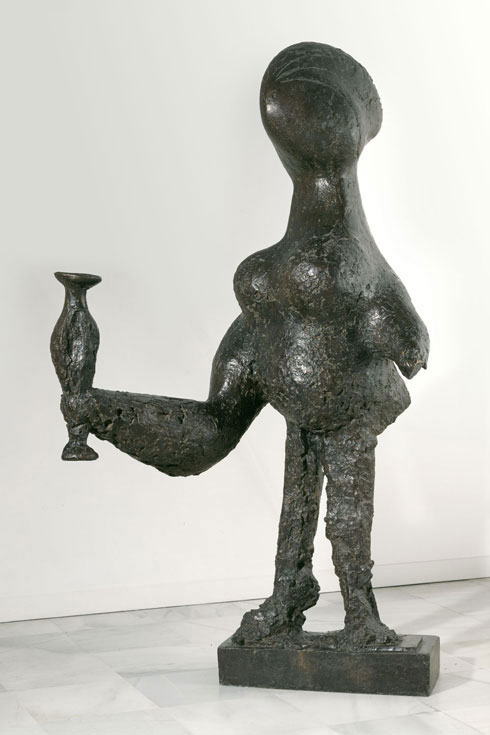
Pablo Picasso, renowned for his groundbreaking contributions to modern art, is not only celebrated for his paintings but also for his remarkable sculptures. While Picasso is best known for his Cubist paintings, his sculptural works offer a unique insight into his creative genius and innovative approach to art.
Innovative Techniques and Materials
Unlike traditional sculptors, Picasso often used unconventional materials such as metal, wood, ceramics, and found objects in his sculptures. His experimental approach to sculpture allowed him to break free from the constraints of traditional techniques and explore new forms of expression.
Cubist Influence
Just as in his paintings, Picasso’s sculptures exhibit elements of Cubism – a revolutionary art movement that he co-founded. Through fragmented forms, geometric shapes, and abstract representations of the human figure, Picasso challenged conventional notions of art and perception in both painting and sculpture.
Exploration of Form and Space
Picasso’s sculptures often blur the lines between two-dimensional art and three-dimensional form. By manipulating space and volume in innovative ways, he created dynamic compositions that invite viewers to engage with the artwork from multiple perspectives.
Legacy and Influence
Although Picasso’s sculptural works were not as widely recognized during his lifetime as his paintings, they have since gained appreciation for their ingenuity and artistic merit. His sculptures continue to inspire contemporary artists and sculptors, highlighting the enduring legacy of one of the most influential artists of the 20th century.
Through his sculptures, Pablo Picasso demonstrated a fearless spirit of experimentation and a relentless pursuit of artistic innovation. His ability to transcend traditional boundaries and redefine artistic conventions solidifies his legacy as a true master of modern art.
Exploring the Sculptural Genius of Pablo Picasso: Materials, Influence, Style, and Legacy
- 1. What materials did Pablo Picasso use in his sculptures?
- 2. How did Cubism influence Pablo Picasso’s sculptural works?
- 3. What are some key characteristics of Pablo Picasso’s sculptural style?
- 4. How did Picasso’s approach to sculpture differ from traditional sculptors?
- 5. What themes or subjects did Picasso explore in his sculptural pieces?
- 6. Where can I view Pablo Picasso’s sculptures in museums or art galleries?
- 7. What is the significance of Pablo Picasso’s sculptures in the context of modern art history?
1. What materials did Pablo Picasso use in his sculptures?
Pablo Picasso, known for his pioneering work in both painting and sculpture, utilized a diverse range of materials in his sculptural creations. Picasso’s innovative approach to sculpture included the use of unconventional materials such as metal, wood, ceramics, and found objects. By incorporating these varied elements into his sculptures, Picasso was able to break away from traditional sculptural techniques and explore new forms of artistic expression. His willingness to experiment with different materials not only added depth and texture to his sculptures but also showcased his boundless creativity and visionary approach to art.
2. How did Cubism influence Pablo Picasso’s sculptural works?
Cubism, the revolutionary art movement co-founded by Pablo Picasso, had a profound influence on his sculptural works. Through Cubism, Picasso sought to deconstruct traditional forms and perspectives, emphasizing geometric shapes, fragmented forms, and multiple viewpoints. This approach translated seamlessly into his sculptures, where he experimented with manipulating space and volume to create dynamic compositions that challenged conventional notions of sculpture. By incorporating Cubist principles into his sculptural creations, Picasso was able to push the boundaries of traditional sculpture and explore new forms of expression that revolutionized the art world.
3. What are some key characteristics of Pablo Picasso’s sculptural style?
Pablo Picasso’s sculptural style is characterized by its innovative use of materials, unconventional techniques, and Cubist influences. One key characteristic is Picasso’s tendency to experiment with a wide range of materials, including metal, wood, ceramics, and found objects, allowing him to push the boundaries of traditional sculpture. His sculptures often exhibit elements of Cubism, such as fragmented forms, geometric shapes, and abstract representations of the human figure, showcasing his revolutionary approach to art. Additionally, Picasso’s exploration of form and space in his sculptures creates dynamic compositions that challenge viewers’ perceptions and invite them to engage with the artwork from multiple perspectives. These key characteristics define Picasso’s sculptural style as a groundbreaking fusion of creativity, innovation, and artistic expression.
4. How did Picasso’s approach to sculpture differ from traditional sculptors?
Picasso’s approach to sculpture differed significantly from that of traditional sculptors in several key ways. Unlike traditional sculptors who often adhered to established techniques and materials, Picasso embraced experimentation and innovation in his sculptural works. He utilized unconventional materials such as metal, wood, ceramics, and found objects, breaking free from the constraints of traditional sculpture. Additionally, Picasso’s sculptures exhibited elements of Cubism, a style he pioneered in painting, incorporating fragmented forms and abstract representations that challenged conventional notions of art. By exploring new forms of expression and manipulating space in dynamic ways, Picasso redefined the boundaries of sculpture and left a lasting impact on the art world.
5. What themes or subjects did Picasso explore in his sculptural pieces?
In his sculptural pieces, Pablo Picasso explored a wide range of themes and subjects that reflected his multifaceted artistic vision. From abstract representations of the human form to mythical creatures and animals, Picasso’s sculptures encompassed a diverse array of subjects. He often drew inspiration from ancient art, folklore, and his own personal experiences to create sculptures that were both innovative and emotionally evocative. Through his exploration of themes such as love, war, mythology, and the human condition, Picasso’s sculptural works offer a glimpse into the depth of his creative imagination and his ability to imbue inanimate materials with profound meaning and expression.
6. Where can I view Pablo Picasso’s sculptures in museums or art galleries?
For art enthusiasts eager to view Pablo Picasso’s sculptures in museums or art galleries, there are several renowned institutions around the world that showcase his iconic works. Museums such as the Museum of Modern Art (MoMA) in New York, the Picasso Museum in Barcelona, the Musée National Picasso-Paris in France, and the Tate Modern in London are just a few of the prestigious venues where visitors can immerse themselves in the beauty and innovation of Picasso’s sculptural masterpieces. These institutions offer a unique opportunity to witness firsthand the evolution of Picasso’s sculptural style and his enduring impact on the world of art.
7. What is the significance of Pablo Picasso’s sculptures in the context of modern art history?
Pablo Picasso’s sculptures hold immense significance in the context of modern art history due to their revolutionary approach to form, material, and expression. By challenging traditional sculptural conventions and embracing Cubist principles, Picasso redefined the boundaries of sculpture as an art form. His innovative use of unconventional materials and techniques paved the way for future generations of sculptors to explore new possibilities in three-dimensional art. Picasso’s sculptures not only reflect his mastery of form and space but also embody his relentless pursuit of artistic experimentation and creativity. In the broader landscape of modern art history, Picasso’s sculptures stand as a testament to his enduring influence on shaping the trajectory of 20th-century art movements.