The Art of Oil Pastel Painting
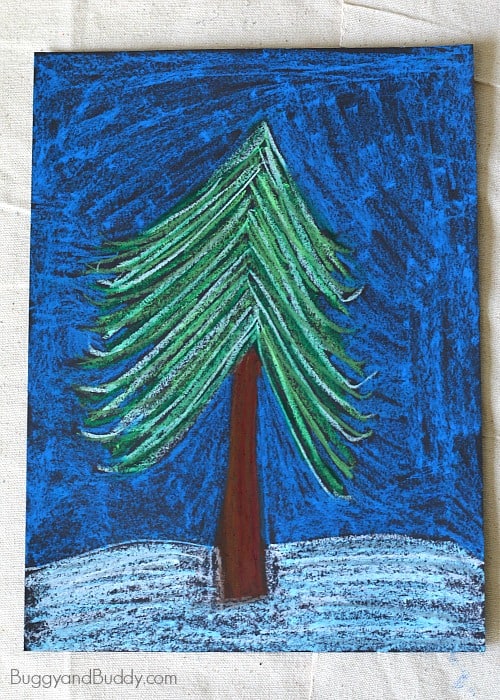
Oil pastel painting is a versatile and vibrant medium that offers artists a unique way to create stunning artworks. Unlike traditional pastels, oil pastels contain a non-drying oil and wax binder, giving them a creamy texture that can be easily blended and layered on various surfaces.
Expressive Colors and Textures
One of the most appealing aspects of oil pastel painting is the rich and intense colors that can be achieved. Artists can blend different hues together to create smooth transitions or layer them for added depth and texture. The creamy consistency of oil pastels allows for both bold, expressive strokes and delicate, detailed work.
Versatility in Techniques
Oil pastels offer artists a wide range of techniques to explore. From sgraffito (scratching) and impasto (thick application) to blending and stippling, artists can experiment with various methods to achieve different effects in their paintings. The ability to work on different surfaces such as paper, canvas, or even wood further enhances the versatility of oil pastels.
Long-Lasting Results
One of the advantages of using oil pastels is their durability and resistance to fading over time. Once dry, oil pastel paintings retain their vibrant colors and textures, making them ideal for creating long-lasting artworks that can be enjoyed for years to come. Additionally, the ease of framing and displaying oil pastel works adds to their appeal for both artists and collectors.
Popular Subjects
Oil pastel painting is often used to depict a wide range of subjects, from landscapes and still lifes to portraits and abstract compositions. The versatility of the medium allows artists to explore their creativity and express their unique vision through vibrant colors and expressive textures.
Exploring Oil Pastel Painting
Whether you are new to art or an experienced artist looking for a new medium to explore, oil pastel painting offers endless possibilities for creative expression. With its rich colors, versatile techniques, and long-lasting results, oil pastels are a captivating medium that continues to inspire artists around the world.
Exploring Oil Pastel Painting: Answers to Common Questions and Techniques
- What are oil pastels?
- How do oil pastels differ from traditional pastels?
- What surfaces can be used for oil pastel painting?
- How do you blend colors with oil pastels?
- What techniques can be used with oil pastel painting?
- Are oil pastel paintings permanent or do they fade over time?
- Can oil pastel paintings be framed and displayed like other artworks?
- What subjects are popular for oil pastel paintings?
What are oil pastels?
Oil pastels are a unique type of art medium that combines the vibrant colors of oil paint with the ease of drawing with a crayon. Made from a blend of pigment, non-drying oil, and wax binder, oil pastels offer artists a creamy texture that can be easily applied and blended on various surfaces. Unlike traditional pastels, oil pastels do not require fixatives and can be layered to create rich, textured effects in artworks. Their versatility in techniques and expressive qualities make oil pastels a popular choice for artists looking to add depth and vibrancy to their paintings.
How do oil pastels differ from traditional pastels?
Oil pastels differ from traditional pastels in their composition and texture. Unlike traditional pastels, oil pastels contain a non-drying oil and wax binder, giving them a creamy consistency that allows for easy blending and layering. This unique composition makes oil pastels more versatile and suitable for a wider range of techniques compared to traditional pastels. Additionally, oil pastels are known for their vibrant colors, durability, and resistance to fading over time, making them a popular choice among artists seeking long-lasting results in their paintings.
What surfaces can be used for oil pastel painting?
When it comes to oil pastel painting, artists have a variety of surfaces to choose from to create their artworks. Common surfaces that can be used for oil pastel painting include paper, canvas, wood, and even textured surfaces like sandpaper or fabric. Each surface offers a unique texture and absorbency that can affect the application and blending of oil pastels. Artists often experiment with different surfaces to achieve the desired effects in their paintings, whether it’s smooth blending on paper or bold strokes on canvas. The versatility of oil pastels allows artists to explore and push the boundaries of their creativity on a wide range of surfaces.
How do you blend colors with oil pastels?
To blend colors with oil pastels, artists can use various techniques to achieve different effects in their artworks. One common method is to layer and mix different colors directly on the paper or canvas, using the creamy texture of oil pastels to blend them seamlessly. Artists can also use their fingers, blending stumps, or even a cloth to gently smudge and blend the colors together for a smooth transition. Additionally, artists can experiment with cross-hatching, stippling, or sgraffito techniques to create unique textures and patterns while blending colors with oil pastels. The key is to explore different blending techniques and find what works best for achieving the desired look and feel in the artwork.
What techniques can be used with oil pastel painting?
Oil pastel painting offers a wide range of techniques that artists can explore to create unique and expressive artworks. Some common techniques used with oil pastels include blending, layering, sgraffito (scratching), impasto (thick application), stippling, and detailing. Artists can experiment with these techniques to achieve different effects in their paintings, ranging from smooth transitions and vibrant color blends to textured surfaces and intricate details. The versatility of oil pastels allows artists to unleash their creativity and develop their own signature style through the exploration of various techniques in their artistic practice.
Are oil pastel paintings permanent or do they fade over time?
Oil pastel paintings are known for their durability and resistance to fading over time. Unlike some other mediums that may fade or deteriorate with exposure to light and air, oil pastels retain their vibrant colors and textures long after they have dried. This quality makes oil pastel paintings a popular choice for artists and collectors who seek artworks that can stand the test of time. With proper care and framing, oil pastel paintings can maintain their original beauty and intensity for many years, ensuring that they can be enjoyed for generations to come.
Can oil pastel paintings be framed and displayed like other artworks?
Oil pastel paintings can absolutely be framed and displayed like other artworks. Due to the durable nature of oil pastels and their resistance to fading, these artworks can be preserved and showcased for years to come. Framing oil pastel paintings not only enhances their presentation but also helps protect them from external elements. With proper framing techniques and materials, oil pastel artworks can be displayed in galleries, homes, or any other art exhibition setting, allowing viewers to appreciate the vibrant colors and textures of the medium.
What subjects are popular for oil pastel paintings?
When it comes to oil pastel paintings, artists often explore a wide range of popular subjects to showcase the versatility and vibrancy of this medium. Some common subjects that are popular for oil pastel paintings include captivating landscapes with vivid skies and lush foliage, expressive portraits that capture the essence of the subject’s personality and emotions, intricate still life compositions featuring a variety of objects arranged in visually appealing ways, and abstract artworks that allow artists to experiment with color, texture, and form in a more free-flowing and imaginative manner. Each subject presents unique opportunities for artists to unleash their creativity and create captivating artworks that resonate with viewers on an emotional level.