The Beauty of Oil Pastel Art
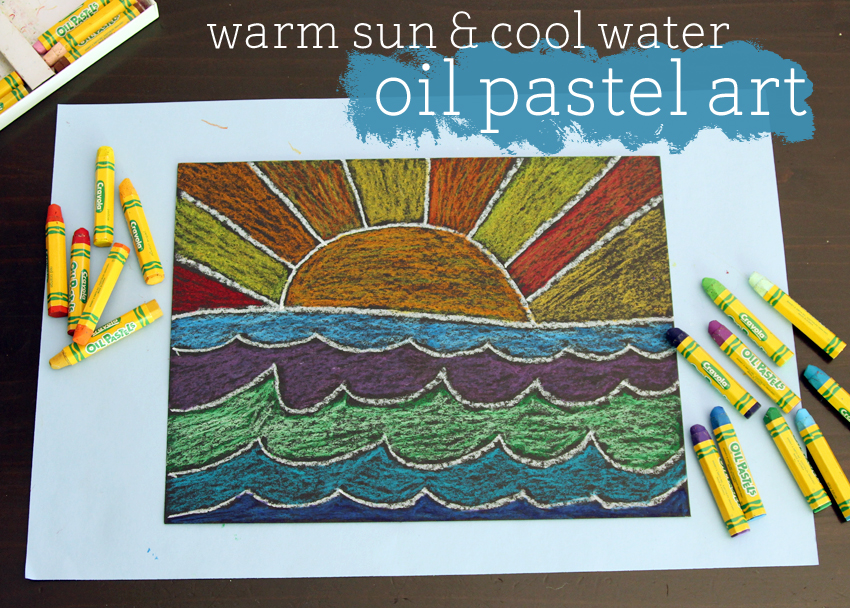
Oil pastels are a versatile and vibrant medium that offer artists a wide range of creative possibilities. Unlike traditional crayons, oil pastels are made with a non-drying oil and wax binder, allowing for rich, intense colors and smooth blending.
One of the unique qualities of oil pastels is their ability to be easily layered and mixed on various surfaces, including paper, canvas, and wood. This versatility gives artists the freedom to experiment with different techniques and textures to create stunning works of art.
Oil pastels can be used in various styles, from realistic portraits to abstract compositions. Artists can achieve a painterly effect by blending colors with their fingers or using tools like brushes and solvents. The creamy consistency of oil pastels makes them ideal for creating bold strokes and intricate details.
Whether you’re a beginner or an experienced artist, oil pastels offer a fun and accessible way to explore your creativity. With their rich pigments and blendability, oil pastels allow artists to express emotions and ideas in unique ways that capture the viewer’s attention.
From vibrant landscapes to expressive portraits, oil pastel art continues to captivate audiences with its beauty and versatility. So grab your favorite set of oil pastels and let your imagination soar as you create your own masterpiece!
Exploring Oil Pastel Art: Answers to 8 Common Questions
- What are oil pastels?
- How are oil pastels different from regular crayons?
- What surfaces can be used with oil pastels?
- How do you blend colors with oil pastels?
- Can oil pastels be used for both realistic and abstract art?
- What techniques can be used with oil pastels?
- Are there any special tools required for working with oil pastels?
- How to preserve and protect oil pastel artworks?
What are oil pastels?
Oil pastels are a type of art medium that consist of pigment mixed with a non-drying oil and wax binder. These vibrant and versatile tools offer artists a wide range of creative possibilities due to their rich colors, smooth blending capabilities, and ability to be layered on various surfaces. Unlike traditional crayons, oil pastels provide a creamy consistency that allows for bold strokes, intricate details, and the creation of stunning works of art in styles ranging from realistic to abstract. Artists can explore different techniques such as blending with fingers or using tools like brushes and solvents to achieve desired effects. Oil pastels are a popular choice among artists of all levels for their ease of use and ability to express emotions and ideas in unique ways.
How are oil pastels different from regular crayons?
Oil pastels differ from regular crayons in their composition and artistic capabilities. While both mediums are used for drawing and coloring, oil pastels contain a non-drying oil and wax binder that gives them a creamy texture and intense color payoff. This unique formulation allows oil pastels to blend smoothly, creating rich and vibrant hues with a painterly effect. In contrast, regular crayons are made with wax and tend to have a harder consistency, limiting their ability to blend colors seamlessly. The versatility of oil pastels in layering, mixing, and achieving various textures sets them apart as a preferred choice for artists seeking to create expressive and dynamic artworks with depth and complexity.
What surfaces can be used with oil pastels?
Oil pastels can be used on a variety of surfaces, providing artists with endless possibilities for creative expression. Common surfaces that work well with oil pastels include paper, canvas, wood, and textured papers. These surfaces allow artists to explore different textures and effects, from smooth and blended colors to bold and expressive strokes. Experimenting with various surfaces can enhance the overall look and feel of oil pastel artworks, offering artists the flexibility to create unique and captivating pieces that showcase the versatility of this vibrant medium.
How do you blend colors with oil pastels?
To blend colors with oil pastels, start by layering different colors on your paper or canvas. Then, use your fingers, a blending stump, or a cotton swab to gently blend the colors together. Applying varying pressure while blending can create smooth transitions or textured effects. Additionally, you can use a colorless blender pencil or a small amount of mineral spirits to further blend and soften the colors. Experimenting with different blending techniques will help you achieve unique and dynamic color combinations in your oil pastel artwork.
Can oil pastels be used for both realistic and abstract art?
Oil pastels are a versatile medium that can be used for both realistic and abstract art. Artists have the flexibility to create detailed and lifelike representations in a realistic style by layering and blending oil pastels to achieve depth and texture. Conversely, oil pastels lend themselves well to abstract art, allowing artists to experiment with bold colors, expressive strokes, and imaginative compositions. Whether aiming for precise realism or free-flowing abstraction, oil pastels provide artists with the tools to bring their creative visions to life on canvas or paper.
What techniques can be used with oil pastels?
Oil pastels offer a wide array of techniques that artists can explore to enhance their creative expression. Some common techniques used with oil pastels include blending, layering, sgraffito, stippling, and impasto. Blending allows artists to mix colors smoothly to create gradients and transitions. Layering involves building up multiple layers of color to add depth and richness to the artwork. Sgraffito is a technique where artists scratch into the surface of the pastel to reveal underlying layers or create intricate details. Stippling involves applying dots or small marks of color to create texture and shading effects. Impasto is a technique where artists apply thick layers of pastel to create a three-dimensional texture on the surface. By experimenting with these techniques, artists can unlock the full potential of oil pastels and create visually stunning artworks that showcase their unique style and creativity.
Are there any special tools required for working with oil pastels?
When working with oil pastels, there are a few special tools that can enhance your artistic process and help you achieve different effects. Some common tools used with oil pastels include blending stumps or tortillons for smooth blending, palette knives for creating textured effects, and fixatives to protect finished artworks. Additionally, working on a textured surface like canvas or specialized pastel paper can also enhance the appearance of your oil pastel creations. While these tools are not strictly required, they can provide artists with more versatility and control over their artwork, allowing for greater creative expression and experimentation.
How to preserve and protect oil pastel artworks?
Preserving and protecting oil pastel artworks is essential to ensure their longevity and beauty over time. One common method is to frame the artwork behind glass to shield it from dust, dirt, and environmental factors. It’s important to use a mat or spacer to prevent the artwork from directly touching the glass, which can cause smudging or damage. Additionally, storing oil pastel pieces in a cool, dry place away from direct sunlight helps prevent fading and discoloration. If transporting or storing artworks, using a protective covering like glassine paper can prevent smudging and keep the colors vibrant. Proper care and handling of oil pastel artworks will help maintain their quality and preserve them for years to come.