The Timeless Artistry of Oil on Canvas
Oil on canvas is a classic and versatile medium that has been favored by artists for centuries. The rich history and unique characteristics of oil paint on canvas have made it a popular choice for creating stunning works of art that stand the test of time.
A Brief History
Oil painting on canvas dates back to the 15th century when artists began using oil-based paints instead of traditional egg tempera. This shift revolutionized the art world, allowing for greater color intensity, texture, and blending capabilities. Artists like Leonardo da Vinci, Rembrandt, and Van Gogh embraced this new medium, creating masterpieces that continue to inspire artists today.
The Beauty of Oil Paint
One of the key advantages of oil paint is its slow drying time, which allows artists to work with the paint for extended periods. This characteristic gives artists more flexibility to blend colors, create intricate details, and achieve subtle transitions in shading. The depth and luminosity that can be achieved with oil paint on canvas are unmatched by other mediums.
Creating Timeless Masterpieces
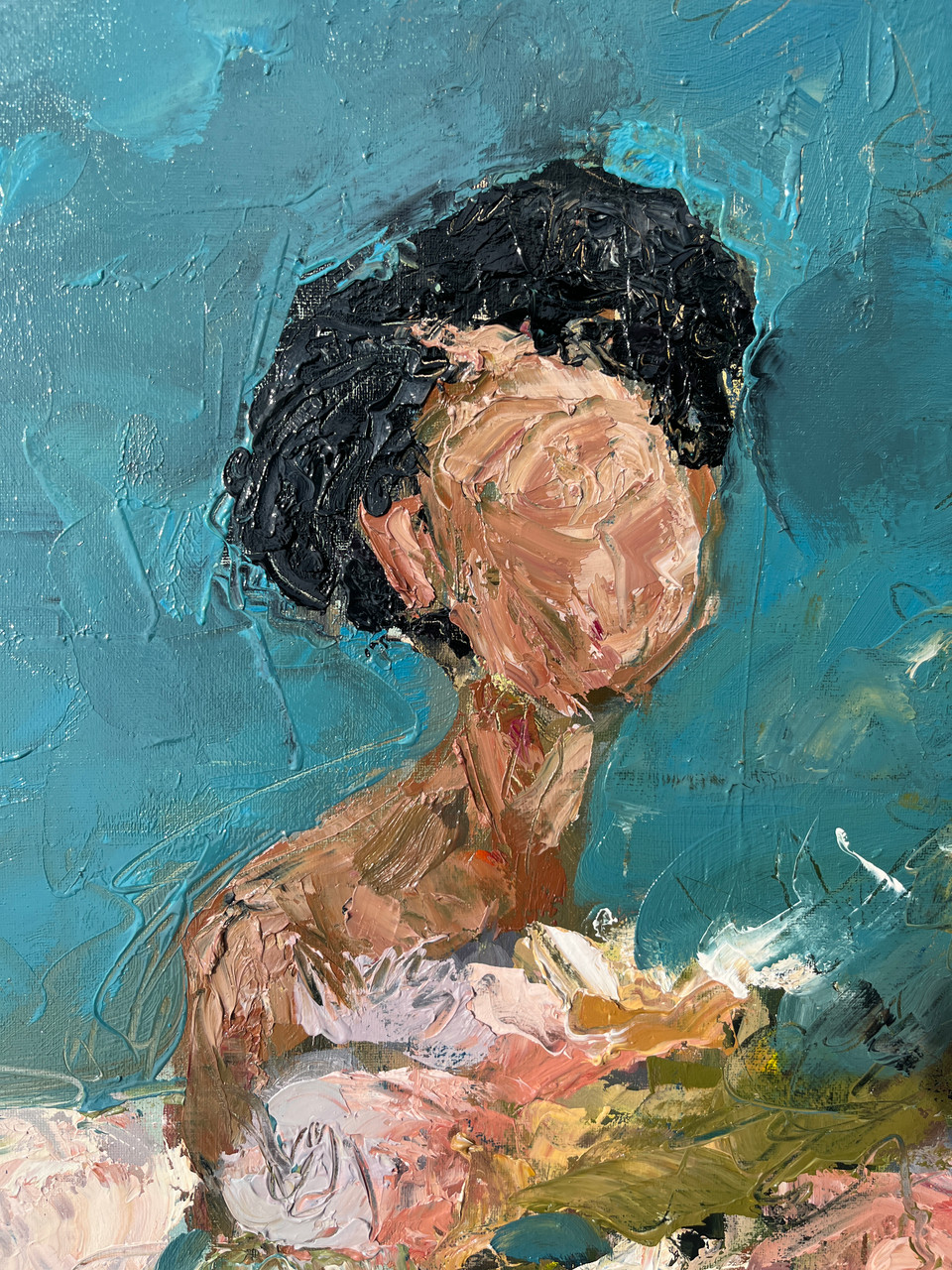
Oil on canvas offers artists a wide range of techniques to explore, from impasto brushstrokes to smooth glazes. The texture of the canvas adds another dimension to the artwork, enhancing its visual appeal and tactile quality. Whether capturing landscapes, portraits, still lifes, or abstract concepts, oil painting on canvas allows artists to express their creativity in unique and captivating ways.
The Enduring Appeal
Despite advances in technology and the emergence of new art mediums, oil on canvas remains a beloved choice for many artists. Its ability to capture light, depth, and emotion continues to captivate audiences around the world. From traditional realism to contemporary abstraction, oil painting on canvas remains a timeless art form that resonates with both creators and admirers alike.
Exploring the Advantages of Oil on Canvas: Rich Colors, Versatile Techniques, and Timeless Appeal
- Rich color intensity
- Versatile blending capabilities
- Slow drying time for extended workability
- Ability to create intricate details and textures
- Depth and luminosity in the finished artwork
- Enhanced visual appeal with canvas texture
- Timeless and enduring quality of oil paintings
- Captures light, shadows, and emotions with realism
Challenges of Oil on Canvas: Understanding the Drawbacks for Artists
- Long drying time can be a disadvantage for artists who prefer quicker results.
- Oil paint can be toxic and require proper ventilation and handling precautions.
- The cost of high-quality oil paints and canvas materials can be expensive.
- Oil paintings may require additional care and maintenance to preserve their longevity.
- Transporting oil paintings on canvas can be challenging due to their fragility and susceptibility to damage.
Rich color intensity
Oil on canvas offers artists the advantage of rich color intensity, allowing them to create vibrant and dynamic artworks that captivate the viewer’s attention. The pigments in oil paint have a depth and saturation that bring paintings to life, enhancing the visual impact of the artwork. Artists can achieve a wide range of hues and tones with oil paint on canvas, from subtle gradients to bold contrasts, resulting in stunning compositions that exude energy and emotion. The rich color intensity of oil on canvas adds a layer of complexity and beauty to artworks, making them visually striking and engaging.
Versatile blending capabilities
Oil on canvas offers artists versatile blending capabilities that allow for seamless transitions between colors and the creation of rich, nuanced textures. The slow drying time of oil paint on canvas provides artists with the flexibility to blend colors effortlessly, achieving smooth gradients and subtle variations in hue. This unique characteristic of oil painting enables artists to explore a wide range of techniques, from creating soft, ethereal effects to building up layers of bold, expressive brushwork. The ability to blend colors with precision and control makes oil on canvas a preferred medium for artists seeking to capture depth, dimension, and emotion in their artwork.
Slow drying time for extended workability
The slow drying time of oil paint on canvas is a significant advantage that allows artists to work with the medium for extended periods, enabling them to blend colors seamlessly, create intricate details, and achieve subtle transitions in shading. This extended workability offers artists greater flexibility and control over their creative process, allowing them to refine their compositions and experiment with different techniques without the constraints of a rapidly drying medium. The ability to manipulate the paint over an extended period enhances the depth and complexity of the artwork, resulting in richly textured and visually captivating pieces that showcase the artist’s skill and vision.
Ability to create intricate details and textures
The ability of oil paint on canvas to create intricate details and textures is a defining characteristic that sets this medium apart. Artists can meticulously layer and blend colors to achieve fine details, subtle transitions, and captivating textures in their artwork. The versatility of oil paint allows for precise brushwork and delicate shading, resulting in visually stunning compositions that engage the viewer on a deeper level. Whether capturing the delicate petals of a flower or the rugged texture of a landscape, oil on canvas offers artists the tools to bring their creative vision to life with precision and depth.
Depth and luminosity in the finished artwork
One of the standout advantages of using oil paint on canvas is the exceptional depth and luminosity it imparts to the finished artwork. The slow drying time of oil paint allows for layers to be built up gradually, creating rich and vibrant colors that seem to glow from within. This unique quality adds a sense of dimensionality and brilliance to the painting, enhancing its visual impact and giving it a captivating allure that is hard to achieve with other mediums. The interplay of light and shadow in oil paintings on canvas creates a dynamic and immersive viewing experience, drawing the viewer into the depths of the artwork with its luminous beauty.
Enhanced visual appeal with canvas texture
Oil on canvas offers artists the advantage of enhanced visual appeal through the unique texture of the canvas surface. The natural grain of the canvas adds depth and dimension to the artwork, creating a tactile quality that engages viewers on a sensory level. The interplay between the brushstrokes and the canvas texture adds richness and character to the painting, contributing to its overall aesthetic charm. This feature allows artists to experiment with different techniques, from building up layers of paint for a textured effect to smoothly blending colors for a more seamless finish. The canvas texture not only enriches the visual experience but also adds a dynamic element that elevates the artwork to a new level of artistic expression.
Timeless and enduring quality of oil paintings
The timeless and enduring quality of oil paintings on canvas is a testament to the lasting impact of this traditional medium. Unlike other art forms that may fade or deteriorate over time, oil on canvas artworks retain their vibrancy and beauty for generations to come. The rich colors, intricate details, and depth achieved through oil paint create a sense of permanence and sophistication that transcends trends and fads. This longevity allows oil paintings to be cherished as valuable cultural artifacts, preserving the artist’s vision and craftsmanship for centuries to be admired by future audiences.
Captures light, shadows, and emotions with realism
Oil on canvas excels in capturing light, shadows, and emotions with unparalleled realism. The rich texture and slow drying time of oil paint allow artists to intricately blend colors and create subtle transitions, resulting in artworks that vividly portray the interplay of light and shadow. This unique quality not only adds depth and dimension to the artwork but also enables artists to convey a wide range of emotions with striking authenticity. The luminosity achieved through oil painting on canvas brings scenes to life, evoking a sense of realism that resonates deeply with viewers and enhances the emotional impact of the artwork.
Long drying time can be a disadvantage for artists who prefer quicker results.
The long drying time of oil paint on canvas can pose a significant challenge for artists who seek faster outcomes in their creative process. Unlike other mediums that dry quickly, such as acrylics, the slow drying nature of oil paint requires patience and careful planning. Artists who prefer a more immediate gratification may find the extended drying time frustrating, as it can delay the completion of their artwork and hinder their workflow. Despite this drawback, many artists appreciate the rich textures and blending capabilities that oil paint offers, making the wait worthwhile for those who value the depth and complexity achievable with this traditional medium.
Oil paint can be toxic and require proper ventilation and handling precautions.
Oil paint, while prized for its rich colors and versatility, comes with the con of being potentially toxic and requiring careful handling. Artists working with oil on canvas need to be mindful of proper ventilation in their workspace to minimize exposure to harmful fumes. Additionally, precautions such as wearing protective gear like gloves and masks are essential to ensure safety when working with oil paint. By taking these necessary measures, artists can continue to create their masterpieces while prioritizing their health and well-being.
The cost of high-quality oil paints and canvas materials can be expensive.
The cost of high-quality oil paints and canvas materials can pose a significant challenge for artists seeking to create with this medium. Premium oil paints and top-grade canvases are known for their superior quality and durability, but their price tags can be prohibitive for artists working within tight budgets. The expense of investing in top-tier materials may limit the accessibility of oil painting on canvas to some artists, requiring careful budgeting and resource management to ensure the creation of artworks that meet both artistic standards and financial constraints.
Oil paintings may require additional care and maintenance to preserve their longevity.
Oil paintings on canvas may require additional care and maintenance to preserve their longevity, posing a con for art collectors and enthusiasts. Due to the nature of oil paint and canvas materials, these artworks are susceptible to environmental factors such as humidity, temperature changes, and light exposure. Proper handling, storage, and conservation practices are essential to ensure that oil paintings retain their original beauty and quality over time. Regular cleaning, varnishing, and professional restoration may be necessary to protect these valuable pieces of art for future generations to appreciate.
Transporting oil paintings on canvas can be challenging due to their fragility and susceptibility to damage.
Transporting oil paintings on canvas can present a significant challenge due to their delicate nature and vulnerability to damage. The canvas surface, along with the layers of oil paint, is prone to punctures, tears, and abrasions during handling and transportation. Factors such as temperature changes, humidity levels, and physical impact can further exacerbate the risk of harm to the artwork. Careful handling, proper packaging, and professional assistance are essential to ensure that oil paintings on canvas reach their destination safely and preserve their integrity for years to come.