The Beauty of Ocean Painting
Ocean painting is a captivating art form that allows artists to capture the essence and beauty of the sea on canvas. The vastness and ever-changing nature of the ocean provide endless inspiration for painters seeking to convey its majesty and mystery through their artwork.
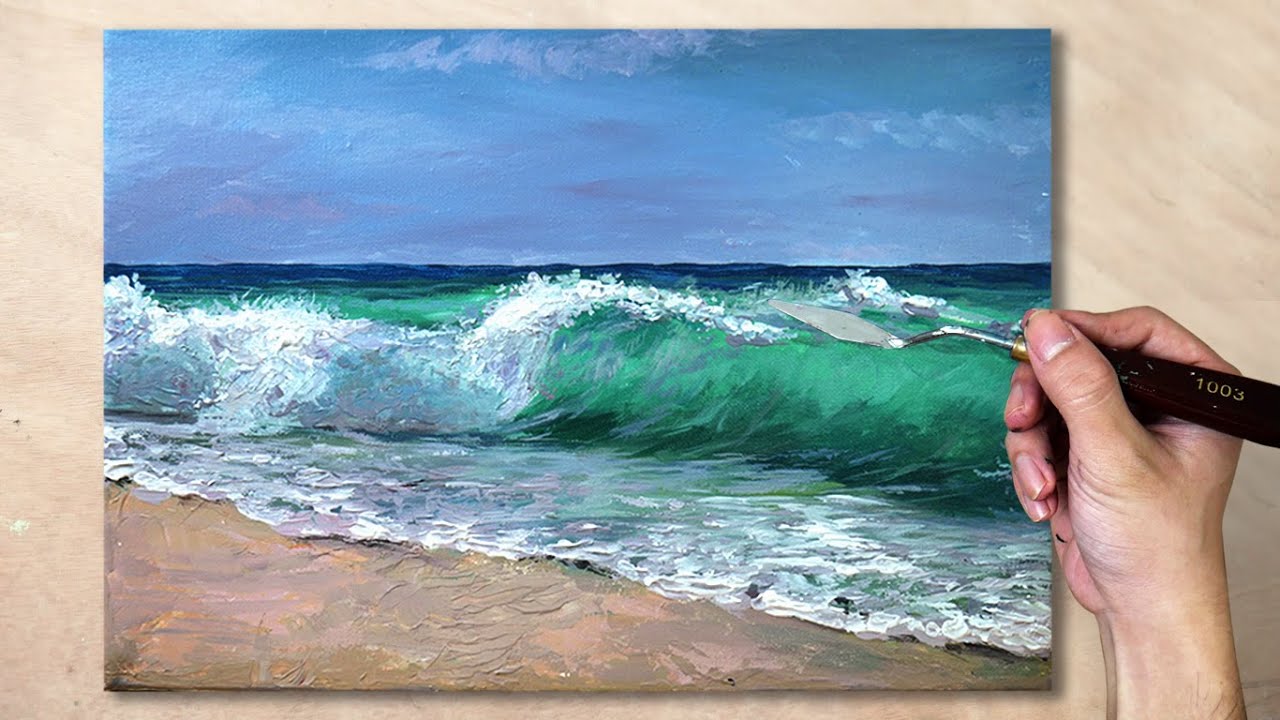
From serene seascapes to dramatic stormy waves, ocean painting encompasses a wide range of styles and techniques. Artists use various tools such as brushes, palette knives, and even their fingers to create realistic depictions or abstract interpretations of the ocean’s dynamic movements and colors.
The use of different shades of blue, green, turquoise, and white helps artists convey the depth, movement, and tranquility of the ocean. Texture techniques like impasto or glazing add dimension to the waves, while light effects capture the play of sunlight on water surfaces.
Many renowned artists throughout history have been drawn to the ocean as a subject for their paintings. From J.M.W. Turner’s expressive seascapes to Winslow Homer’s powerful marine scenes, each artist brings a unique perspective and style to their interpretation of the sea.
Whether you prefer realistic portrayals that transport you to a tranquil beach or abstract representations that evoke emotions and memories, ocean painting has a universal appeal that resonates with art lovers worldwide. It serves as a reminder of the vastness and beauty of nature and our connection to the world around us.
Next time you gaze at an ocean painting, take a moment to appreciate the skill and creativity required to capture such a complex subject on canvas. Let yourself be swept away by the waves and immerse yourself in the timeless allure of ocean art.
Exploring Ocean Painting: Techniques, Colours, and Renowned Artists
- What is ocean painting?
- How do artists capture the essence of the ocean in their paintings?
- What tools and techniques are commonly used in ocean painting?
- What are the typical colors used in ocean paintings?
- Who are some famous artists known for their ocean paintings?
- What are the different styles of ocean painting?
- How does light play a role in depicting the ocean in paintings?
- What makes ocean painting a popular subject among artists?
What is ocean painting?
Ocean painting is a form of art that depicts the beauty, vastness, and ever-changing nature of the sea through various artistic styles and techniques. Artists use a combination of colors, textures, and light effects to capture the essence of the ocean, from serene seascapes to turbulent waves. Whether portrayed realistically or abstractly, ocean painting serves as a visual representation of our deep connection to the natural world and evokes emotions of awe, tranquility, and wonder. It is a timeless and universal subject that continues to inspire artists and art enthusiasts alike with its captivating allure.
How do artists capture the essence of the ocean in their paintings?
Artists capture the essence of the ocean in their paintings through a combination of skill, observation, and creativity. By studying the movement of waves, the play of light on water, and the ever-changing colors of the sea, artists can imbue their paintings with a sense of realism and dynamism. Techniques such as using varying shades of blue and green, creating texture to mimic waves, and employing light effects to convey depth all contribute to capturing the essence of the ocean on canvas. Additionally, artists often draw inspiration from personal experiences or emotions connected to the sea, allowing them to infuse their artwork with a deeper sense of connection and meaning. Through a careful balance of technique and emotion, artists are able to evoke the beauty and power of the ocean in their paintings, inviting viewers to immerse themselves in its vastness and wonder.
What tools and techniques are commonly used in ocean painting?
In ocean painting, artists commonly use a variety of tools and techniques to capture the essence and beauty of the sea. Brushes of different sizes and shapes are essential for creating intricate details, blending colors, and adding texture to waves and water surfaces. Palette knives are often used to apply thick layers of paint, creating a sense of depth and movement in the ocean. Artists may also employ sponges, rags, or even their fingers to achieve unique textures and effects in their artwork. Techniques such as blending, layering, glazing, and impasto are frequently utilized to convey the dynamic nature of the ocean and its ever-changing colors and light. The careful selection and skillful application of these tools and techniques play a crucial role in bringing ocean paintings to life, capturing the viewer’s imagination with their realism or abstraction.
What are the typical colors used in ocean paintings?
In ocean paintings, artists often use a palette of typical colors that capture the essence and beauty of the sea. These colors typically include various shades of blue, ranging from deep navy blues to vibrant turquoise hues, reflecting the different depths and moods of the ocean. Green tones are also commonly used to depict the interplay between water and light, especially in shallow coastal areas. White is essential for highlighting waves, foam, and reflections on the water’s surface, adding a sense of movement and texture to the painting. By skillfully blending these typical colors together, artists can evoke the dynamic and ever-changing nature of the ocean in their artwork.
Who are some famous artists known for their ocean paintings?
Many famous artists have left a lasting impact with their mesmerizing ocean paintings. J.M.W. Turner, a renowned English Romantic painter, is celebrated for his expressive seascapes that capture the power and beauty of the ocean. Winslow Homer, an American artist, is known for his evocative marine scenes that skillfully depict the drama and serenity of the sea. Claude Monet, a master of Impressionism, also ventured into ocean painting, creating vibrant and atmospheric coastal landscapes that showcase his unique style. These artists, among others, have contributed significantly to the rich tapestry of ocean-inspired art throughout history.
What are the different styles of ocean painting?
When exploring the question of different styles of ocean painting, one can discover a diverse range of artistic approaches that capture the essence of the sea in unique ways. From realistic seascapes that depict every detail of waves and coastlines with precision to abstract interpretations that convey the mood and emotions evoked by the ocean, artists have endless possibilities to express their vision. Styles such as impressionism, realism, abstract expressionism, and contemporary art all offer distinct perspectives on portraying the beauty and power of the ocean through varying techniques, colors, textures, and compositions. Each style brings its own charm and character to ocean painting, inviting viewers to experience the vastness and allure of the sea in different artistic languages.
How does light play a role in depicting the ocean in paintings?
Light plays a crucial role in depicting the ocean in paintings as it brings life and depth to the artwork. The interplay of light and shadow on the water’s surface helps artists capture the ever-changing nature of the sea, from sparkling reflections on calm waters to dramatic contrasts in stormy seas. By skillfully using light effects, such as highlighting waves or creating a sense of luminosity, painters can evoke a sense of movement, atmosphere, and mood in their ocean scenes. The way light interacts with the colors and textures of the ocean not only adds realism but also conveys emotions and enhances the overall visual impact of the painting.
What makes ocean painting a popular subject among artists?
Ocean painting is a popular subject among artists due to its timeless appeal and endless sources of inspiration. The ocean’s vastness, ever-changing moods, and captivating beauty offer a rich canvas for artistic expression. Artists are drawn to the challenge of capturing the dynamic movement of waves, the play of light on water surfaces, and the depth of color found in the sea. Whether depicting serene seascapes or powerful stormy seas, ocean painting allows artists to explore themes of tranquility, power, mystery, and connection to nature. The universal allure of the ocean as a subject resonates with both artists and viewers alike, making it a beloved and enduring theme in the world of art.