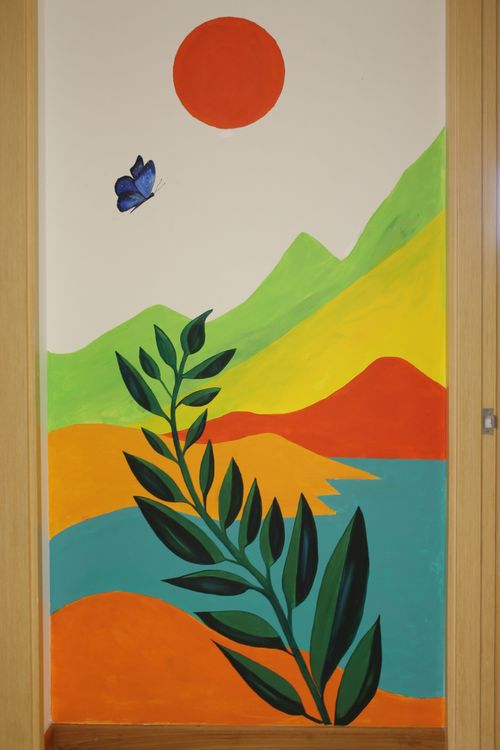
The Art of Mural Painting
Mural painting, a form of public art that dates back centuries, continues to captivate audiences around the world with its grandeur and storytelling. From ancient civilizations to modern urban landscapes, mural painting has been used to convey cultural narratives, political messages, and artistic expressions on a large scale.
Historical Significance
Throughout history, mural painting has played a significant role in documenting events, beliefs, and traditions of various societies. In ancient times, murals adorned the walls of temples, tombs, and public buildings, serving as visual representations of religious stories or historical events. The frescoes of Pompeii and the cave paintings at Lascaux are prime examples of early mural art that have stood the test of time.
Modern Interpretations
In contemporary times, mural painting has evolved into a dynamic form of street art that transforms urban landscapes into vibrant galleries. Street artists use murals to address social issues, spark conversations, and beautify neglected spaces. These large-scale artworks not only showcase the talent and creativity of artists but also engage communities and provoke thought.
Techniques and Styles
Mural painting encompasses a wide range of techniques and styles, from traditional frescoes to modern graffiti art. Artists may use brushes, spray paint, stencils, or digital tools to create intricate designs and intricate details on walls or buildings. Whether abstract or realistic, colorful or monochromatic, each mural tells a unique story through its visual language.
Community Engagement
One of the most compelling aspects of mural painting is its ability to engage communities in the artistic process. Public murals often involve collaboration between artists and local residents, who contribute ideas or participate in workshops to create meaningful artworks that reflect the identity and values of their neighborhoods. This sense of ownership fosters pride and connection within the community.
Conclusion
Mural painting continues to be a powerful medium for artistic expression and social engagement in today’s world. Whether adorning ancient ruins or city streets, murals have the power to inspire imagination, provoke dialogue, and transcend cultural boundaries. As we appreciate the beauty and impact of mural artistry, we also honor the rich tradition and innovation that define this enduring form of public art.
Understanding Mural Painting: Key Differences, Types, and Creation Process
- What is the difference between wall painting and mural?
- What are the two types of murals?
- What is the difference between a mural and a wall art?
- How do you make a mural painting?
What is the difference between wall painting and mural?
When discussing the difference between wall painting and murals, it is essential to understand that both forms of art involve decorating walls but differ in their scope and purpose. Wall painting typically refers to any form of painting done on a wall, whether it’s a simple decorative motif or a small-scale artwork. On the other hand, murals are large-scale artworks that cover a significant portion of a wall or an entire wall, often telling a story or conveying a message. Murals are more elaborate and impactful than traditional wall paintings, commanding attention and transforming the space they inhabit into a visual spectacle that engages viewers on a grand scale.
What are the two types of murals?
There are two main types of murals: the first type is known as a “Fresco Mural,” which involves painting directly onto wet plaster, allowing the pigments to become a permanent part of the wall. The second type is called a “Mosaic Mural,” where small colored tiles or pieces of glass are arranged to create an intricate design on a surface. Both types of murals offer unique artistic possibilities and have been utilized throughout history to adorn buildings, temples, and public spaces with visually stunning and culturally significant artworks.
What is the difference between a mural and a wall art?
When discussing mural painting, a common question that arises is the distinction between a mural and wall art. While both forms involve creating visual compositions on walls, the key difference lies in their scale and purpose. Murals are typically large-scale artworks that cover entire walls or buildings, often depicting narrative scenes or thematic elements. They are designed to make a bold statement and transform the space they occupy. On the other hand, wall art encompasses a broader range of artistic expressions that can include smaller-scale paintings, graffiti, stencils, or installations on walls. Wall art may be more decorative or abstract in nature, serving as a form of personal expression or aesthetic enhancement for indoor or outdoor spaces. Ultimately, murals tend to be more monumental and narrative-driven, while wall art offers greater flexibility in style and size for creative exploration.
How do you make a mural painting?
Creating a mural painting involves several key steps that artists follow to bring their vision to life on a large scale. The process typically begins with careful planning and design, where the artist conceptualizes the theme, composition, and color scheme of the mural. Next, the artist prepares the surface by cleaning and priming the wall to ensure proper adhesion of the paint. Using various tools such as brushes, rollers, and spray cans, the artist then applies layers of paint to gradually build up the image, adding details and textures along the way. Finally, once the painting is complete, a protective sealant may be applied to preserve the artwork against weathering and fading. Throughout this creative journey, artists infuse their passion and skill into each brushstroke, transforming blank walls into captivating works of art that inspire and engage viewers.