The Rich Cultural Heritage of Mexican Art
Mexican art is a vibrant and diverse reflection of the country’s rich cultural heritage, blending indigenous traditions with European influences to create a unique artistic identity. From ancient civilizations like the Maya and Aztecs to modern-day artists pushing boundaries in contemporary art, Mexico has a long and storied history of artistic expression.
Ancient Roots
Art has always played a significant role in Mexican society, dating back to the pre-Columbian era. The intricate murals, pottery, and sculptures created by civilizations such as the Olmec, Zapotec, and Mixtec are testaments to the advanced artistic skills of these ancient peoples. These artworks often depicted religious themes, nature, and daily life, providing insights into their beliefs and customs.
Colonial Influence
With the arrival of Spanish conquistadors in the 16th century, Mexican art underwent a transformation as European artistic styles were introduced. Baroque architecture, religious paintings, and ornate sculptures became prominent features in churches and cathedrals across Mexico. Artists like Miguel Cabrera and Juan Correa blended indigenous motifs with European techniques to create a new visual language that reflected Mexico’s complex cultural landscape.
Muralism Movement
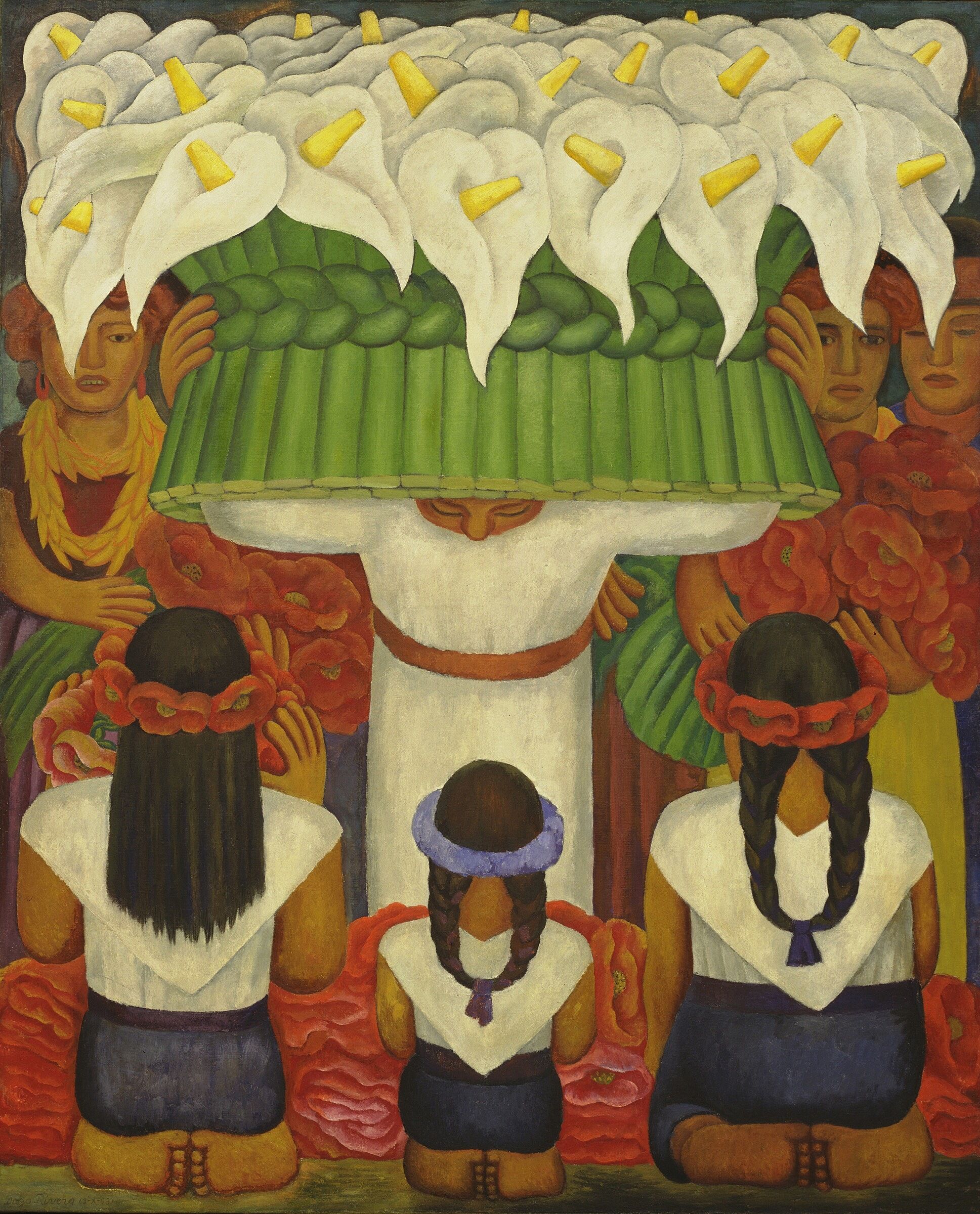
In the early 20th century, Mexican art experienced a renaissance with the rise of the muralism movement. Artists such as Diego Rivera, Jose Clemente Orozco, and David Alfaro Siqueiros used large-scale murals to depict Mexico’s history, social issues, and revolutionary spirit. Their powerful artworks not only transformed public spaces but also inspired a sense of national identity and pride among Mexicans.
Contemporary Expression
Today, Mexican art continues to evolve with artists exploring new mediums, themes, and techniques. From traditional folk art like alebrijes (colorful wooden sculptures) and Huichol beadwork to avant-garde installations and performance art, Mexico’s contemporary art scene is vibrant and diverse. Artists like Frida Kahlo, Rufino Tamayo, and Gabriel Orozco have gained international acclaim for their innovative contributions to modern art.
A Living Tradition
Mexican art is not just a reflection of the past but a living tradition that continues to inspire creativity and innovation. Its fusion of indigenous roots with global influences makes it a dynamic force in the world of art. Whether exploring ancient ruins or visiting contemporary galleries in bustling cities like Mexico City or Oaxaca, experiencing Mexican art is an immersive journey through history, culture, and creativity.
Discover the Rich Tapestry of Mexican Art: 9 Tips to Explore Its Vibrant Colors, History, and Cultural Significance
- Explore the vibrant colors and intricate designs of Mexican folk art.
- Learn about the rich history and cultural significance behind traditional Mexican art forms.
- Visit museums and galleries in Mexico to discover a wide range of artistic styles and techniques.
- Attend local art festivals and events to experience the diversity of Mexican art firsthand.
- Study famous Mexican artists such as Frida Kahlo, Diego Rivera, and Rufino Tamayo to understand their contributions to the art world.
- Experiment with different materials commonly used in Mexican art, such as clay, papel picado (cut paper), and bright pigments.
- Appreciate the influence of indigenous cultures on Mexican art, seen in motifs like Aztec symbols and Day of the Dead imagery.
- Support local artisans by purchasing handmade crafts directly from markets or cooperatives in Mexico.
- Immerse yourself in the beauty and creativity of Mexican art to gain a deeper understanding of its cultural roots.
Explore the vibrant colors and intricate designs of Mexican folk art.
Immerse yourself in the world of Mexican folk art by exploring its vibrant colors and intricate designs. From the whimsical alebrijes to the detailed Huichol beadwork, Mexican folk art showcases a rich tapestry of cultural heritage and artistic expression. Each piece tells a story, blending traditional motifs with contemporary flair to create visually stunning creations that captivate the senses and celebrate Mexico’s unique artistic legacy.
Learn about the rich history and cultural significance behind traditional Mexican art forms.
To truly appreciate traditional Mexican art forms, it is essential to delve into the rich history and cultural significance that underpins them. By learning about the origins, techniques, and symbolism embedded in these art forms, one can gain a deeper understanding of Mexico’s artistic heritage and the stories they convey. Each brushstroke, carving, or stitch carries with it centuries of tradition and meaning, making the exploration of traditional Mexican art a fascinating journey into the heart of Mexican culture.
Visit museums and galleries in Mexico to discover a wide range of artistic styles and techniques.
To delve into the diverse world of Mexican art, one should consider visiting museums and galleries across Mexico. These cultural institutions offer a captivating array of artistic styles and techniques, showcasing the country’s rich heritage and contemporary creativity. From ancient artifacts to modern masterpieces, exploring these venues provides a comprehensive insight into the evolution and significance of Mexican art. Whether admiring pre-Columbian artifacts, marveling at muralist works, or engaging with contemporary installations, a visit to museums and galleries in Mexico promises a rewarding journey through the vibrant tapestry of Mexican artistic expression.
Attend local art festivals and events to experience the diversity of Mexican art firsthand.
To immerse yourself in the vibrant world of Mexican art, attending local art festivals and events is a valuable tip to experience the rich diversity of artistic expressions firsthand. These gatherings showcase a wide range of traditional and contemporary artworks, from colorful folk art to innovative installations, providing a unique opportunity to witness the creativity and cultural significance of Mexican artists. By participating in these events, you can engage with the local art community, discover new perspectives, and deepen your appreciation for the multifaceted nature of Mexican art.
Study famous Mexican artists such as Frida Kahlo, Diego Rivera, and Rufino Tamayo to understand their contributions to the art world.
To deepen your knowledge of Mexican art, it is advisable to study renowned artists like Frida Kahlo, Diego Rivera, and Rufino Tamayo. By exploring their works and artistic philosophies, you can gain valuable insights into the significant contributions they have made to the art world. Frida Kahlo’s introspective self-portraits, Diego Rivera’s monumental murals depicting Mexican history and social issues, and Rufino Tamayo’s abstract compositions influenced by indigenous Mexican art are just a few examples of how these artists have left a lasting impact on the global art scene.
Experiment with different materials commonly used in Mexican art, such as clay, papel picado (cut paper), and bright pigments.
To delve into the essence of Mexican art, one can embark on a creative journey by experimenting with a diverse array of materials inherent to the country’s artistic traditions. Embracing mediums like clay, papel picado (intricately cut paper), and vibrant pigments opens up a world of possibilities for artistic expression. These materials not only carry cultural significance but also offer a tactile and visual richness that can elevate one’s artistic endeavors to new heights, echoing the spirit of Mexican artistry through texture, color, and craftsmanship.
Appreciate the influence of indigenous cultures on Mexican art, seen in motifs like Aztec symbols and Day of the Dead imagery.
The influence of indigenous cultures on Mexican art is profound and unmistakable, evident in motifs such as Aztec symbols and Day of the Dead imagery. These cultural elements not only add depth and richness to Mexican art but also serve as a bridge connecting the past with the present. The intricate designs and symbolism rooted in indigenous traditions offer a glimpse into the spiritual beliefs, rituals, and folklore that have shaped Mexican artistic expression for centuries. By appreciating these influences, one can truly grasp the unique cultural tapestry that defines Mexican art and its enduring significance in the global art landscape.
Support local artisans by purchasing handmade crafts directly from markets or cooperatives in Mexico.
Supporting local artisans by purchasing handmade crafts directly from markets or cooperatives in Mexico is a meaningful way to appreciate and preserve the rich tradition of Mexican artistry. By buying directly from the creators, you not only acquire unique and authentic pieces but also contribute to the livelihoods of talented artisans who pour their creativity and skills into each creation. These handmade crafts carry the essence of Mexican culture, showcasing the intricate craftsmanship and vibrant colors that define the country’s artistic heritage. Embracing these artisanal treasures not only adds beauty to your surroundings but also helps sustain a centuries-old tradition of craftsmanship passed down through generations.
Immerse yourself in the beauty and creativity of Mexican art to gain a deeper understanding of its cultural roots.
Immerse yourself in the beauty and creativity of Mexican art to gain a deeper understanding of its cultural roots. By exploring the intricate details of ancient artifacts, admiring the vibrant colors of contemporary paintings, and experiencing the powerful narratives depicted in murals, you can truly appreciate the diverse influences that have shaped Mexican art over centuries. Delve into this rich artistic tapestry to uncover the stories, traditions, and beliefs that continue to inspire artists and captivate audiences around the world.