The Vibrant World of Mexican Art
Mexican art is a rich tapestry woven with the threads of history, culture, and creativity. From ancient civilizations to contemporary artists, Mexico boasts a diverse and vibrant artistic heritage that captivates audiences around the globe.
Ancient Roots
The artistic traditions of Mexico date back thousands of years to civilizations such as the Olmec, Maya, and Aztec. These ancient cultures expressed their beliefs and stories through intricate pottery, sculptures, and murals. The iconic pyramids, temples, and artifacts that have survived to this day offer a glimpse into the artistic prowess of these early societies.
Folk Art and Craftsmanship
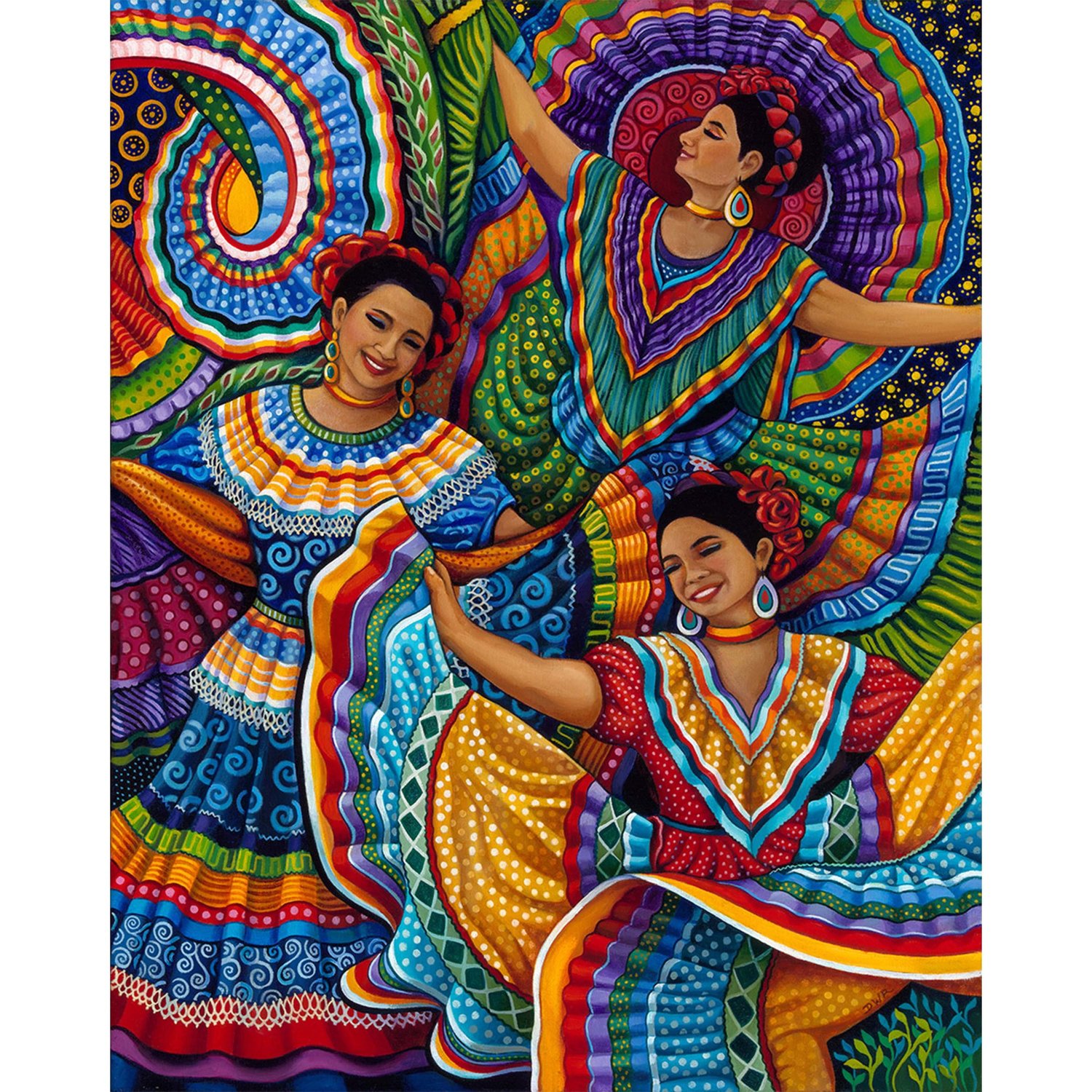
Modern Mexican art continues to be influenced by its rich folk art traditions. Talented artisans create colorful textiles, ceramics, wood carvings, and metalwork that reflect the country’s diverse cultural heritage. Each region in Mexico has its own unique artistic style, showcasing a blend of indigenous and Spanish influences.
Muralism and Social Commentary
The Mexican Muralism movement emerged in the early 20th century as artists like Diego Rivera, David Alfaro Siqueiros, and Jose Clemente Orozco used large-scale murals to depict Mexico’s history, politics, and social issues. These monumental artworks became symbols of national identity and solidarity, inspiring generations of artists to use art as a tool for social change.
Contemporary Expressions
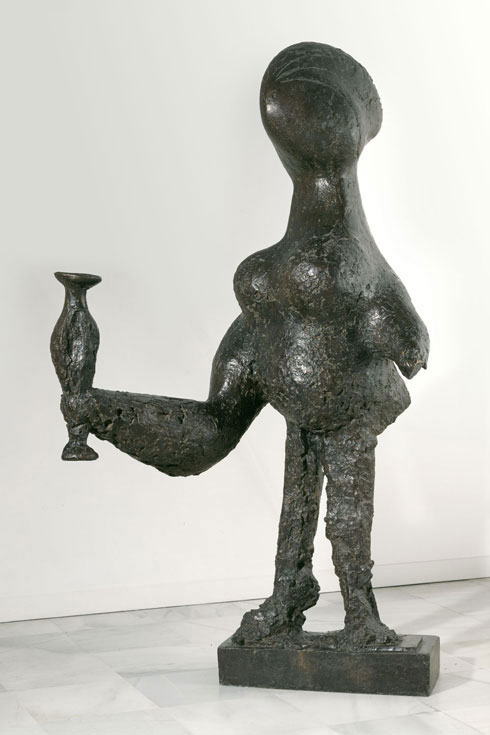
Today, Mexican artists continue to push boundaries and explore new forms of expression. From surrealism to abstraction, from traditional techniques to multimedia installations, contemporary Mexican art reflects the dynamic nature of modern society. Artists like Frida Kahlo, Rufino Tamayo, and Gabriel Orozco have gained international acclaim for their innovative works.
Celebrating Diversity
Mexican art celebrates diversity in all its forms – from indigenous traditions to modern interpretations. It is a testament to the resilience and creativity of a nation that embraces its past while looking towards the future. Through color, symbolism, and storytelling, Mexican art invites us to explore the complexities of identity, culture, and human experience.
Exploring Mexican Art: Huichol Art, Styles, Influential Artists, and Popular Trends
- What is huichol art?
- What is Mexican style art called?
- Who were the big 3 Mexican artists?
- What kind of art is popular in Mexico?
What is huichol art?
Huichol art, also known as “Yarn Painting,” is a traditional form of Mexican art that originates from the indigenous Huichol people of western Mexico. This unique art form involves meticulously placing colorful threads or yarn onto a wooden board coated with beeswax or resin to create intricate and vibrant designs. Each piece of Huichol art is symbolic and carries spiritual significance, often depicting elements from nature, animals, and traditional Huichol beliefs. The meticulous craftsmanship and attention to detail in Huichol art reflect the deep cultural heritage and artistic traditions of the Huichol community, making it a cherished and sought-after form of Mexican folk art.
What is Mexican style art called?
Mexican style art is often referred to as “Mexican folk art” or “Mexican artisanal art.” This unique and colorful form of artistic expression encompasses a wide range of traditional crafts and techniques that have been passed down through generations. Mexican folk art is characterized by its vibrant colors, intricate designs, and rich cultural symbolism, reflecting the diverse heritage of Mexico’s indigenous and Spanish influences. From pottery and textiles to metalwork and wood carvings, Mexican style art showcases the creativity and craftsmanship of artisans who continue to uphold these cherished traditions.
Who were the big 3 Mexican artists?
Three iconic Mexican artists who are often referred to as the “big 3” are Diego Rivera, Jose Clemente Orozco, and David Alfaro Siqueiros. These influential figures played a significant role in shaping the Mexican Muralism movement of the early 20th century. Known for their large-scale murals that depicted Mexico’s history, culture, and social issues, Rivera, Orozco, and Siqueiros used art as a powerful tool for political and social commentary. Their works continue to inspire artists and audiences worldwide, leaving a lasting impact on the art world and beyond.
What kind of art is popular in Mexico?
In Mexico, a diverse range of art forms holds popularity among artists and art enthusiasts alike. Traditional Mexican folk art, known for its vibrant colors and intricate designs, remains a beloved and widely appreciated form of artistic expression. Additionally, the country’s rich history of muralism has made large-scale murals a significant part of Mexico’s artistic landscape, with social commentary and cultural narratives often depicted on public walls. Contemporary Mexican art showcases a fusion of traditional techniques with modern influences, encompassing a variety of styles such as surrealism, abstraction, and multimedia installations. This dynamic mix of artistic genres contributes to the widespread popularity and recognition of Mexican art on both national and international platforms.