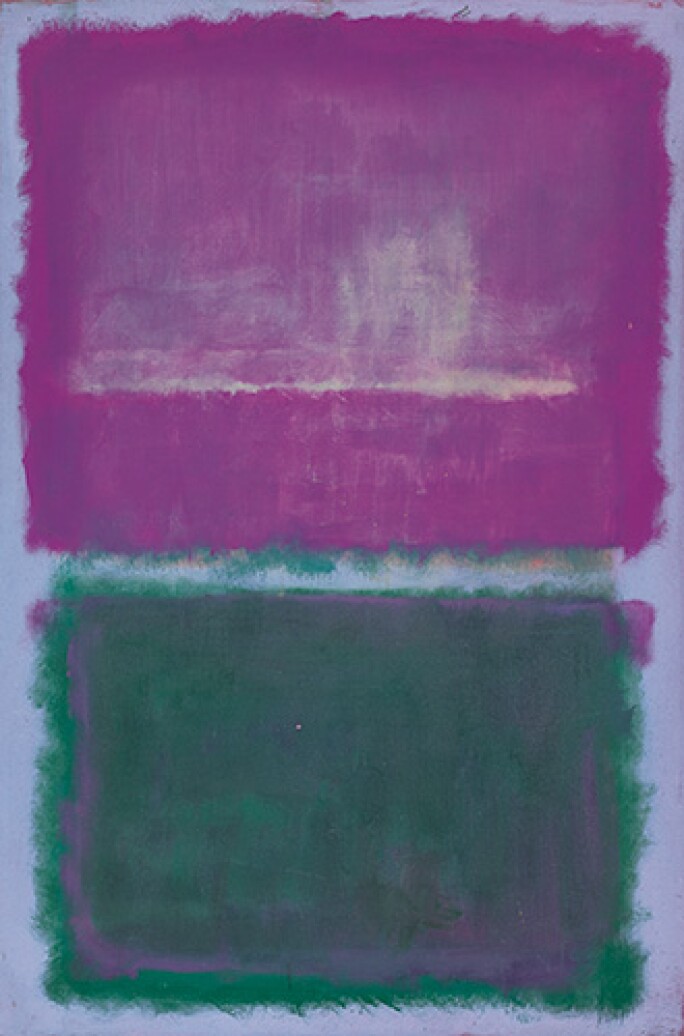
The Timeless Appeal of Mark Rothko Paintings
Mark Rothko, a prominent figure in the abstract expressionist movement, is renowned for his iconic color field paintings that evoke deep emotions and contemplation. Born in 1903, Rothko’s work continues to captivate art enthusiasts and critics alike with its profound simplicity and emotional depth.
The Language of Color
Rothko’s paintings are characterized by large expanses of vibrant colors that seem to pulsate with energy. His use of color is not merely decorative but serves as a powerful tool to convey complex emotions and spiritual experiences. The juxtaposition of hues creates a sense of depth and intensity, inviting viewers to immerse themselves in the artwork.
A Journey Within
When standing in front of a Rothko painting, viewers often find themselves drawn into a meditative state. The seemingly simple compositions reveal hidden layers of meaning and invite introspection. Rothko believed that art should evoke a visceral response from the viewer, transcending language and cultural barriers.
Influence and Legacy
Rothko’s influence on contemporary art cannot be overstated. His bold experimentation with color and form paved the way for future generations of artists to explore new avenues of artistic expression. His legacy lives on in museums and galleries worldwide, where his paintings continue to inspire awe and reverence.
Conclusion
Mark Rothko’s paintings are more than just visual experiences – they are emotional journeys that resonate with viewers on a profound level. Through his mastery of color and form, Rothko created timeless works of art that transcend the boundaries of time and space, leaving an indelible mark on the world of modern art.
Exploring the Emotional Depths and Timeless Impact of Mark Rothko’s Paintings
- Rothko’s paintings evoke deep emotional responses from viewers, fostering introspection and contemplation.
- The use of vibrant colors in Rothko’s artworks creates a visually immersive experience that captivates the audience.
- His iconic color field paintings are timeless masterpieces that continue to inspire and influence contemporary art.
- Rothko’s minimalist approach to composition allows for a focus on the emotional impact of color and form.
- Viewing Rothko’s paintings can be a meditative experience, offering a moment of respite from the chaos of everyday life.
- The simplicity and complexity coexisting in Rothko’s works make them accessible to viewers of all backgrounds, transcending language barriers.
Challenges in Appreciating Mark Rothko’s Paintings: Abstract Nature, Emotional Intensity, and Interpretive Complexity
- Some viewers may find Rothko’s paintings too abstract and lacking in recognizable subject matter.
- The emotional intensity of Rothko’s color fields can be overwhelming for some individuals.
- Rothko’s minimalist approach may be perceived as simplistic or lacking in technical skill by traditional art critics.
- The large scale of Rothko’s paintings may make them challenging to display in smaller spaces or domestic settings.
- Interpreting the meaning behind Rothko’s work can be subjective and open to varying interpretations, leading to confusion for some viewers.
Rothko’s paintings evoke deep emotional responses from viewers, fostering introspection and contemplation.
Mark Rothko’s paintings have the remarkable ability to evoke profound emotional reactions from viewers, encouraging introspection and contemplation. Through his masterful use of color and form, Rothko creates a sensory experience that goes beyond mere visual appreciation, delving into the depths of human emotions. His artworks serve as a catalyst for deep reflection, inviting viewers to explore their own inner thoughts and feelings in response to the powerful resonance of his paintings.
The use of vibrant colors in Rothko’s artworks creates a visually immersive experience that captivates the audience.
The vibrant colors employed in Mark Rothko’s paintings serve as a captivating element, drawing viewers into a visually immersive experience. Through the strategic use of bold and rich hues, Rothko’s artworks command attention and evoke a sense of wonder and fascination among the audience. The interplay of colors in his compositions creates a dynamic and engaging visual landscape that invites viewers to explore the depths of emotion and contemplation within each piece.
His iconic color field paintings are timeless masterpieces that continue to inspire and influence contemporary art.
Mark Rothko’s iconic color field paintings stand as timeless masterpieces that have a lasting impact on contemporary art. His innovative use of color and form transcends temporal boundaries, offering a source of inspiration for artists working today. Rothko’s ability to evoke deep emotions and contemplation through his minimalist yet powerful compositions has cemented his place as a visionary in the art world. His influence can be seen in the work of countless artists who have been inspired by his unique approach to visual storytelling and his profound understanding of the language of color.
Rothko’s minimalist approach to composition allows for a focus on the emotional impact of color and form.
Rothko’s minimalist approach to composition in his paintings enables a profound emphasis on the emotional power of color and form. By stripping away unnecessary elements and simplifying his compositions, Rothko creates a space for viewers to engage directly with the raw essence of his art. The deliberate use of color and form in his work evokes a range of emotions, from tranquility to intensity, inviting viewers to explore their own emotional responses and connect with the inherent depth of the artwork. This minimalist aesthetic not only highlights the purity of expression but also amplifies the emotional resonance that lies at the core of Rothko’s artistic vision.
Viewing Rothko’s paintings can be a meditative experience, offering a moment of respite from the chaos of everyday life.
Viewing Mark Rothko’s paintings can be a meditative experience, offering a moment of respite from the chaos of everyday life. The immersive quality of Rothko’s color field paintings allows viewers to escape into a realm of tranquility and introspection. The harmonious blend of colors and the expansive nature of his compositions create a sense of calm and contemplation, providing a sanctuary for the mind to wander and find solace amidst the hustle and bustle of daily routines. Rothko’s art invites viewers to pause, breathe, and embrace a moment of stillness in a world filled with constant motion and noise.
The simplicity and complexity coexisting in Rothko’s works make them accessible to viewers of all backgrounds, transcending language barriers.
The seamless integration of simplicity and complexity within Mark Rothko’s paintings allows for a universal accessibility that transcends linguistic boundaries, making his works resonate with viewers from diverse cultural backgrounds. Rothko’s ability to evoke profound emotions and contemplation through his minimalist yet intricate compositions creates a unique visual language that speaks to the human experience on a fundamental level, fostering a deep connection with audiences around the world.
Some viewers may find Rothko’s paintings too abstract and lacking in recognizable subject matter.
Some viewers may find Rothko’s paintings too abstract and lacking in recognizable subject matter, leading to a sense of disconnect or confusion. Without clear references to familiar objects or scenes, interpreting Rothko’s work can be challenging for those who prefer art with more concrete imagery. The absence of traditional subject matter in his paintings may deter some viewers from fully engaging with the emotional depth and spiritual essence that Rothko sought to convey through his use of color and form.
The emotional intensity of Rothko’s color fields can be overwhelming for some individuals.
The emotional intensity of Mark Rothko’s color field paintings can be overwhelming for some individuals, as the vibrant hues and expansive canvases create a sense of depth and intensity that may evoke strong emotions. For those who are sensitive to visual stimuli or prefer more subdued artwork, Rothko’s bold use of color and form may feel overpowering or unsettling. The immersive experience of standing in front of a Rothko painting can trigger a range of emotions, from contemplation to unease, challenging viewers to confront their inner thoughts and feelings in a raw and unfiltered manner.
Rothko’s minimalist approach may be perceived as simplistic or lacking in technical skill by traditional art critics.
Rothko’s minimalist approach in his paintings, characterized by large blocks of color and subtle transitions, has been a subject of criticism among traditional art critics. Some may perceive his work as simplistic or lacking in technical skill due to its apparent lack of intricate details or representational elements. However, delving deeper into Rothko’s art reveals a deliberate and thoughtful use of color and form to elicit emotional responses from viewers. While his paintings may not conform to conventional standards of realism or complexity, they possess a profound depth and intensity that challenge the notion of technical mastery in art, inviting contemplation and introspection instead.
The large scale of Rothko’s paintings may make them challenging to display in smaller spaces or domestic settings.
The grand scale of Mark Rothko’s paintings poses a significant challenge when it comes to displaying them in smaller spaces or domestic settings. Rothko’s expansive canvases demand a certain amount of breathing room to be fully appreciated, requiring ample wall space and distance for viewers to engage with the intricate details and emotional depth of his work. In more confined environments, the sheer size of Rothko’s paintings may overpower the space, potentially diminishing their impact and disrupting the intended viewing experience.
Interpreting the meaning behind Rothko’s work can be subjective and open to varying interpretations, leading to confusion for some viewers.
Interpreting the meaning behind Mark Rothko’s paintings can be a challenging endeavor, as his abstract and emotive artworks often elude concrete explanations. The subjective nature of Rothko’s work allows for a wide range of interpretations, leading to differing perspectives among viewers. This ambiguity can sometimes result in confusion or uncertainty for those seeking a definitive understanding of his art. However, it is precisely this openness to interpretation that adds layers of complexity and richness to Rothko’s paintings, inviting viewers to engage with their own emotions and perceptions in a deeply personal way.