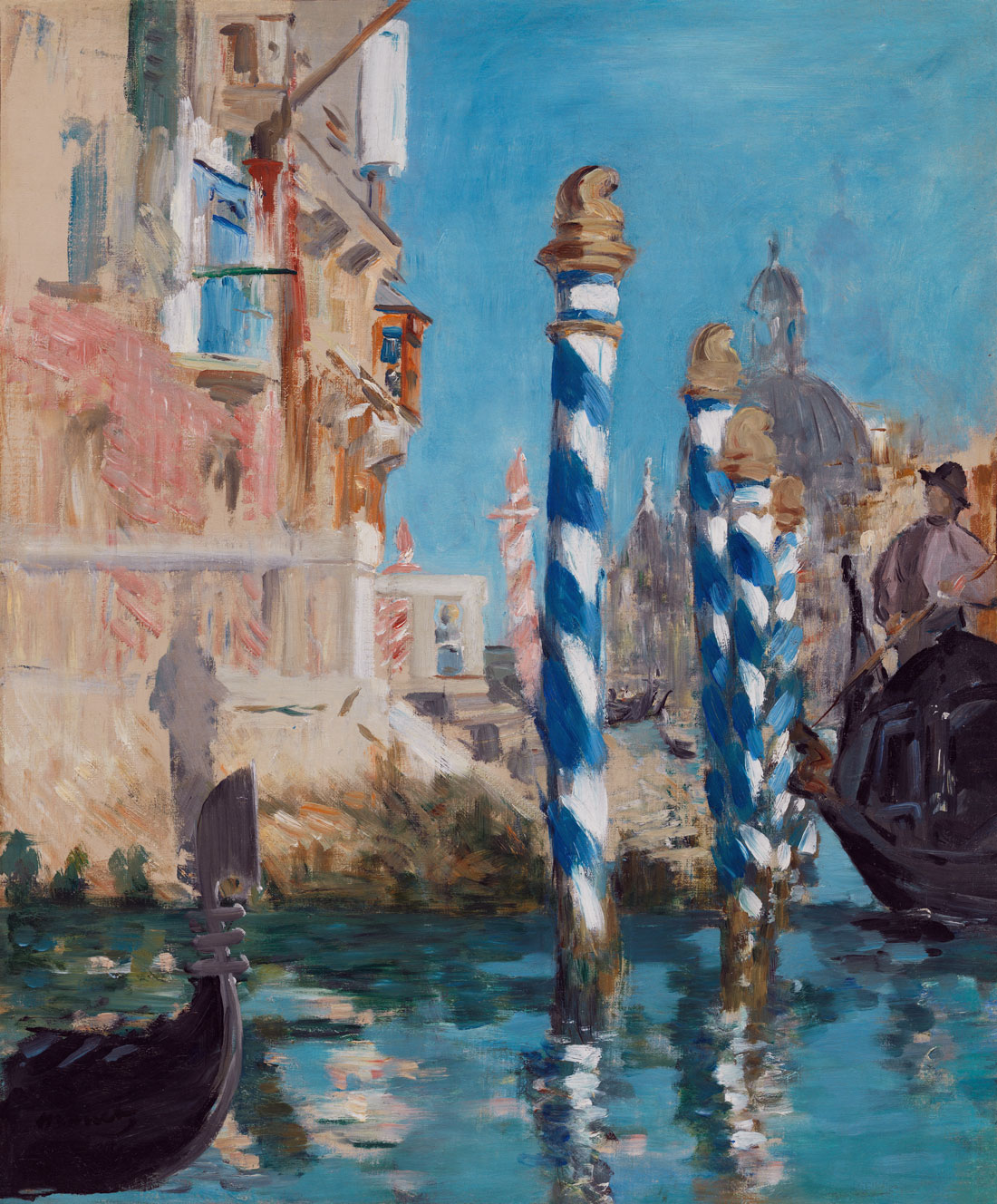
The Timeless Beauty of Manet Paintings
Édouard Manet, a prominent figure in the Impressionist movement, is renowned for his revolutionary approach to art and his iconic paintings that continue to captivate art enthusiasts worldwide.
Manet’s works are characterized by their bold brushstrokes, vivid colors, and innovative compositions that challenged the conventions of his time. His ability to capture everyday scenes with a fresh perspective and a keen eye for detail set him apart as a visionary artist.
One of Manet’s most famous paintings is “Olympia,” which caused a sensation when it was first exhibited in 1865. The painting depicts a reclining nude woman staring directly at the viewer, surrounded by symbolic elements that sparked debates about morality and artistic freedom.
Another masterpiece by Manet is “A Bar at the Folies-Bergère,” which showcases his mastery of light, reflection, and spatial depth. The painting invites viewers to ponder the complexities of human interaction and perception in a bustling social setting.
Manet’s influence on the art world extends beyond his lifetime, as his innovative techniques and artistic vision paved the way for future generations of artists. His legacy continues to inspire contemporary artists to push boundaries and explore new possibilities in art.
Whether you are an art connoisseur or simply appreciate beauty in its purest form, exploring the timeless beauty of Manet paintings is an enriching experience that offers glimpses into the mind of a true artistic genius.
Exploring Manet: Popularity, Distinctions from Monet, Iconic Works, and Health Challenges
- Why is Manet so popular?
- What is the difference between Monet and Manet paintings?
- For which three paintings was Manet known?
- What was Manet’s illness?
Why is Manet so popular?
Édouard Manet’s popularity can be attributed to his revolutionary approach to art that challenged traditional norms and paved the way for the Impressionist movement. His bold brushwork, innovative compositions, and unique perspective on everyday subjects captured the essence of modern life in 19th-century Paris. Manet’s ability to infuse his paintings with depth, emotion, and social commentary resonated with audiences then and continues to captivate viewers today. His influential role in shaping the course of art history, along with his timeless themes and masterful technique, solidify his enduring popularity among art enthusiasts around the world.
What is the difference between Monet and Manet paintings?
One frequently asked question regarding Manet and Monet paintings is the distinction between the two renowned artists. While both Édouard Manet and Claude Monet were influential figures in the art world, they belonged to different artistic movements and had distinct styles. Manet, associated with the Impressionist movement, was known for his bold brushstrokes and modern subject matter that challenged traditional norms. On the other hand, Monet, a key figure in Impressionism as well, focused more on capturing light and atmosphere in his landscapes and outdoor scenes. While their names may sound similar, their artistic approaches and subjects set them apart as unique masters of their craft.
For which three paintings was Manet known?
Édouard Manet, a pioneering artist of the Impressionist movement, is renowned for several iconic paintings that have left a lasting impact on the art world. Among the three paintings for which Manet is particularly known are “Olympia,” a provocative portrayal of a reclining nude woman challenging societal norms; “A Bar at the Folies-Bergère,” a masterpiece capturing the complexities of human interaction in a bustling social setting; and “Le Déjeuner sur l’herbe” (Luncheon on the Grass), a striking composition that defied traditional artistic conventions with its bold depiction of contemporary life. These paintings not only showcase Manet’s innovative techniques and unique artistic vision but also reflect his ability to challenge and redefine the boundaries of art during his time.
What was Manet’s illness?
Édouard Manet suffered from a variety of health issues throughout his life, including rheumatism and severe pain in his legs. In the later years of his career, he also experienced complications related to syphilis, which significantly impacted his overall health and well-being. Despite these challenges, Manet continued to create groundbreaking artworks that revolutionized the art world and solidified his legacy as one of the most influential artists of his time. His resilience in the face of illness serves as a testament to his dedication to his craft and unwavering passion for art.