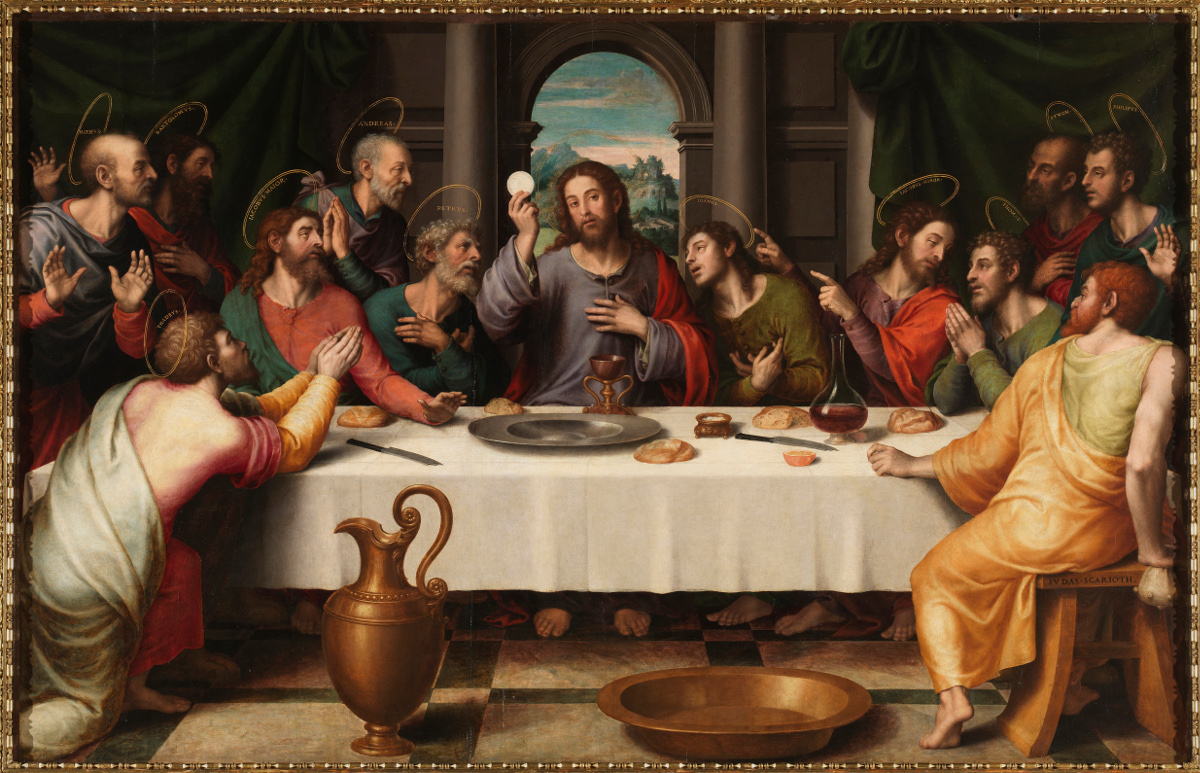
The Last Supper Painting: A Masterpiece of Religious Art
The Last Supper painting is one of the most iconic and revered works of art in the history of Western civilization. Created by the legendary Italian artist Leonardo da Vinci in the late 15th century, this masterpiece captures a pivotal moment in Christian theology – the last meal shared by Jesus Christ and his disciples before his crucifixion.
Leonardo’s depiction of this sacred event is rich in symbolism and emotion. The composition centers around Jesus Christ at the center of the table, surrounded by his twelve disciples. Each figure is imbued with distinct personalities and expressions, reflecting their reactions to Jesus’ revelation that one among them will betray him.
One of the most striking aspects of The Last Supper painting is its innovative use of perspective and composition. Leonardo’s meticulous attention to detail, from the architectural elements of the room to the intricate gestures of each figure, creates a sense of depth and realism that draws viewers into the scene.
Over the centuries, The Last Supper has inspired countless artists, scholars, and viewers with its profound spiritual significance and artistic brilliance. Despite the challenges posed by time and environmental factors, efforts have been made to preserve this masterpiece for future generations to appreciate and study.
Today, The Last Supper painting continues to captivate audiences around the world, serving as a testament to Leonardo da Vinci’s genius and enduring legacy as one of history’s greatest artists.
Exploring the Mastery of Leonardo da Vinci’s ‘The Last Supper’: 7 Key Insights
- The Last Supper painting was created by Leonardo da Vinci in the late 15th century.
- It depicts the scene of Jesus Christ’s last meal with his disciples before his crucifixion.
- The painting is located in the Convent of Santa Maria delle Grazie in Milan, Italy.
- Leonardo used innovative techniques such as perspective and lighting to create a realistic portrayal of the scene.
- The figures in the painting show various emotional reactions to Jesus’ announcement that one of them will betray him.
- Over time, The Last Supper has suffered damage due to factors like humidity, war, and restoration attempts.
- It is considered one of Leonardo da Vinci’s greatest masterpieces and a significant work of Western art.
The Last Supper painting was created by Leonardo da Vinci in the late 15th century.
The Last Supper painting, a renowned masterpiece, was crafted by the legendary artist Leonardo da Vinci during the late 15th century. Leonardo’s artistic genius and attention to detail are evident in this iconic work, which captures a significant moment in Christian history with profound symbolism and emotional depth. Through his innovative use of perspective and composition, Leonardo brought this sacred scene to life, leaving a lasting impact on art history and inspiring generations of viewers and artists alike.
It depicts the scene of Jesus Christ’s last meal with his disciples before his crucifixion.
The Last Supper painting, a renowned masterpiece by Leonardo da Vinci, portrays the poignant moment of Jesus Christ sharing his final meal with his disciples prior to his crucifixion. This iconic artwork captures the emotional and spiritual significance of this pivotal event in Christian theology, with each figure in the composition reflecting a unique response to Jesus’ revelation that one among them will betray him. Leonardo’s meticulous attention to detail and innovative use of perspective bring depth and realism to the scene, making it a timeless representation of faith and humanity.
The painting is located in the Convent of Santa Maria delle Grazie in Milan, Italy.
The Last Supper painting, a renowned masterpiece by Leonardo da Vinci, is housed in the Convent of Santa Maria delle Grazie in Milan, Italy. This iconic artwork’s physical location adds to its historical and cultural significance, as visitors from around the world travel to this sacred site to witness firsthand the intricate details and profound symbolism captured in the painting. The setting of the Convent of Santa Maria delle Grazie provides a fitting backdrop for experiencing the spiritual and artistic impact of The Last Supper, enriching the overall viewing experience and deepening one’s appreciation for this timeless work of art.
Leonardo used innovative techniques such as perspective and lighting to create a realistic portrayal of the scene.
Leonardo da Vinci’s mastery in painting The Last Supper is evident in his groundbreaking use of innovative techniques like perspective and lighting. By skillfully applying these artistic elements, Leonardo achieved a remarkably realistic portrayal of the iconic scene. The careful manipulation of perspective added depth and dimension to the composition, drawing viewers into the solemn moment shared by Jesus and his disciples. Additionally, the strategic use of lighting not only illuminated key figures but also enhanced the emotional intensity of the narrative, creating a sense of drama and realism that continues to captivate audiences centuries later. Leonardo’s pioneering approach to artistry in The Last Supper remains a testament to his unparalleled talent and visionary creativity.
The figures in the painting show various emotional reactions to Jesus’ announcement that one of them will betray him.
In the renowned Last Supper painting by Leonardo da Vinci, the figures depicted exhibit a range of emotional responses to Jesus’ revelation that one among them will betray him. Each disciple’s unique expression and body language convey a mix of shock, disbelief, concern, and introspection, capturing the tension and drama of this crucial moment in Christian history. The intricate portrayal of these emotional reactions adds depth and complexity to the composition, inviting viewers to contemplate the psychological dynamics at play within the scene.
Over time, The Last Supper has suffered damage due to factors like humidity, war, and restoration attempts.
Over time, The Last Supper painting by Leonardo da Vinci has endured significant damage caused by various factors such as humidity, war, and restoration attempts. These challenges have posed a threat to the preservation of this iconic masterpiece, leading to the deterioration of its original splendor. Efforts to protect and restore The Last Supper have been ongoing, with experts employing advanced techniques to mitigate the effects of aging and environmental stressors. Despite the adversities it has faced, The Last Supper remains a symbol of artistic achievement and spiritual significance that continues to resonate with audiences worldwide.
It is considered one of Leonardo da Vinci’s greatest masterpieces and a significant work of Western art.
The Last Supper painting is widely regarded as one of Leonardo da Vinci’s greatest masterpieces and a pivotal work in the realm of Western art. Its intricate composition, rich symbolism, and profound emotional depth showcase da Vinci’s exceptional skill and artistic vision. This iconic portrayal of the sacred moment between Jesus Christ and his disciples has left an indelible mark on art history, solidifying its place as a timeless treasure revered by art enthusiasts and scholars alike.