The Captivating Art of Jackson Pollock
Jackson Pollock, a prominent figure in the abstract expressionist movement, is renowned for his revolutionary approach to art. His unique style and technique have left an indelible mark on the world of modern art.
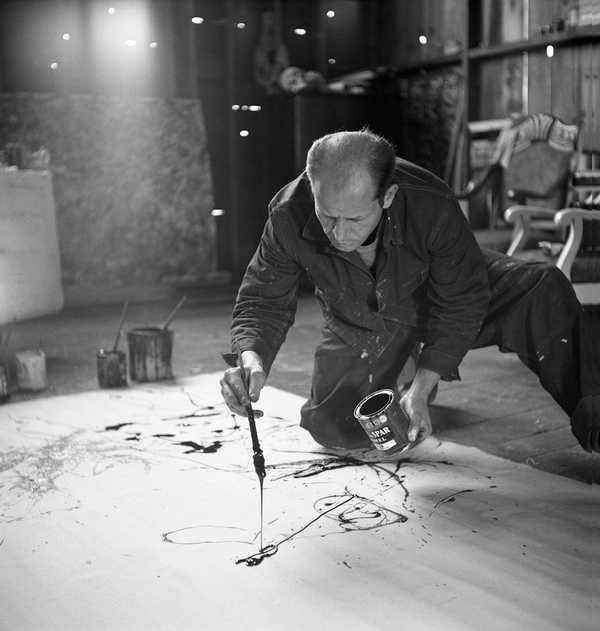
Pollock’s signature drip painting method, where he would rhythmically drip and pour paint onto canvases laid out on the floor, created intricate and dynamic compositions that captured the essence of movement and emotion. His spontaneous and energetic brushstrokes reflected his inner turmoil and creative intensity.
One of Pollock’s most famous works, “Number 1A, 1948,” exemplifies his mastery of abstract expressionism. The chaotic yet harmonious arrangement of colors and lines draws viewers into a whirlwind of emotions, inviting them to interpret the artwork in their own unique way.
Pollock’s influence extends far beyond the art world; his innovative techniques have inspired generations of artists to explore new forms of expression and push the boundaries of creativity. His legacy continues to resonate with art enthusiasts and scholars worldwide.
Through his groundbreaking work, Jackson Pollock challenged conventional notions of art and redefined the possibilities of creative expression. His bold experimentation and fearless approach continue to captivate audiences and spark conversations about the power of abstraction in art.
Exploring Jackson Pollock: His Legacy, Techniques, and Influence on Modern Art
- What is Jackson Pollock known for in the art world?
- What is the significance of Jackson Pollock’s drip painting technique?
- How did Jackson Pollock’s unique style impact modern art?
- What are some of Jackson Pollock’s most famous artworks?
- What inspired Jackson Pollock to develop his abstract expressionist style?
- How has Jackson Pollock influenced other artists and art movements?
What is Jackson Pollock known for in the art world?
Jackson Pollock is widely recognized in the art world for his pioneering contributions to abstract expressionism, particularly his innovative drip painting technique. He is known for revolutionizing the way art is created by abandoning traditional methods of brushwork and instead dripping and pouring paint onto canvases laid on the floor. This unconventional approach allowed Pollock to infuse his artworks with a sense of spontaneity, energy, and raw emotion. His distinctive style, characterized by intricate and dynamic compositions of swirling lines and vibrant colors, has cemented his legacy as a trailblazer in modern art history. Through his groundbreaking work, Jackson Pollock remains celebrated for pushing the boundaries of artistic expression and challenging conventional norms within the art world.
What is the significance of Jackson Pollock’s drip painting technique?
Jackson Pollock’s drip painting technique holds significant artistic value and cultural impact in the realm of modern art. By abandoning traditional brushwork in favor of a more spontaneous and intuitive approach, Pollock revolutionized the way art could be created and experienced. The act of dripping, pouring, and splattering paint onto canvases allowed him to break free from conventional constraints and tap into a deeper realm of creativity. This technique not only captured the essence of movement and energy but also invited viewers to engage with the artwork on a visceral level, encouraging personal interpretation and emotional connection. Pollock’s drip paintings represent a shift towards abstraction and expressionism, challenging viewers to explore the boundaries of art and experience the power of raw, unfiltered artistic expression.
How did Jackson Pollock’s unique style impact modern art?
Jackson Pollock’s unique style had a profound impact on modern art by revolutionizing the way artists approached the creative process. His innovative drip painting technique, where he would pour and splatter paint onto canvases laid on the floor, challenged traditional methods of painting and encouraged a more spontaneous and expressive approach to art-making. Pollock’s emphasis on gesture, movement, and emotion in his work paved the way for abstract expressionism to flourish as a prominent art movement. By breaking away from representational forms and embracing abstraction, Pollock pushed the boundaries of artistic expression and inspired future generations of artists to explore new ways of conveying meaning and emotion through their work.
What are some of Jackson Pollock’s most famous artworks?
Jackson Pollock, a pioneering figure in abstract expressionism, is celebrated for several iconic artworks that have left a lasting impact on the art world. Some of his most famous pieces include “Number 1A, 1948,” known for its dynamic and chaotic composition created through Pollock’s signature drip painting technique. Another renowned work is “Lavender Mist,” which showcases Pollock’s mastery of color and movement in a mesmerizing abstract landscape. Additionally, “Convergence” stands out for its intricate web of interwoven lines and splashes of vibrant hues that evoke a sense of energy and vitality. These artworks exemplify Pollock’s innovative approach to art and his ability to convey emotion and expression through unconventional methods.
What inspired Jackson Pollock to develop his abstract expressionist style?
Jackson Pollock’s abstract expressionist style was inspired by a combination of personal experiences, artistic influences, and a desire to break away from traditional painting techniques. His interest in Native American art, Jungian psychology, and the Surrealist movement played a significant role in shaping his approach to art. Pollock’s exploration of subconscious emotions and spontaneous creativity led him to develop his iconic drip painting technique, where he would pour and splatter paint onto canvases in a frenetic yet controlled manner. This innovative method allowed Pollock to express his innermost thoughts and feelings on canvas, creating dynamic and emotionally charged artworks that revolutionized the art world.
How has Jackson Pollock influenced other artists and art movements?
Jackson Pollock’s impact on other artists and art movements has been profound and far-reaching. His innovative drip painting technique, characterized by its spontaneity and energy, revolutionized the art world and inspired a new wave of abstract expressionism. Artists such as Willem de Kooning, Lee Krasner, and Mark Rothko were influenced by Pollock’s bold approach to creating art, incorporating elements of his style into their own works. Additionally, the action painting movement, which emphasizes the physical act of painting over traditional techniques, can be attributed to Pollock’s groundbreaking methods. His legacy continues to shape contemporary art practices and encourages artists to explore unconventional forms of artistic expression.